 Recipes
 August 27, 2026
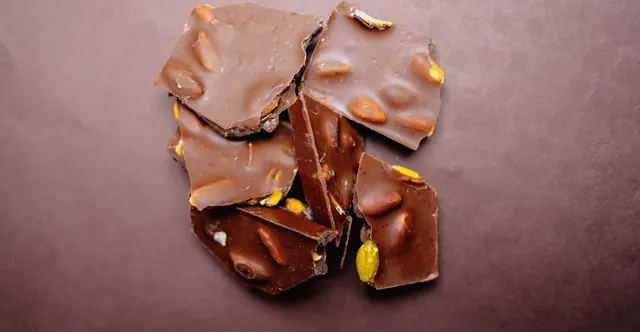
Chocolate Bark: One Technique, Endless Toppings
The chocolate bark master method: temper, spread, top, break. How to choose dry inclusions, build seasonal combinations, and store bark without bloom.
Read →
 Recipes
 August 17, 2026
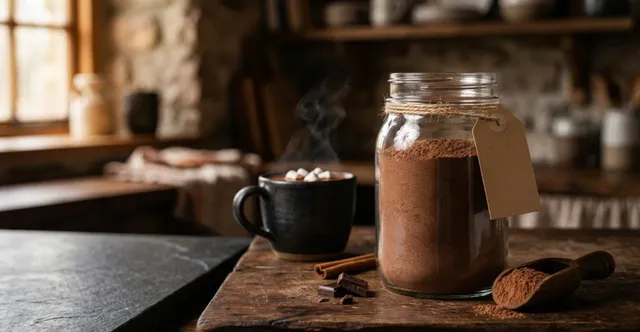
Homemade Hot Chocolate Mix Recipe: Worth Jarring
A homemade hot chocolate mix recipe with Dutch cocoa, real chocolate, and milk powder, plus exact mug ratios and mocha, Mexican, and peppermint variants.
Read →
 Recipes
 August 14, 2026
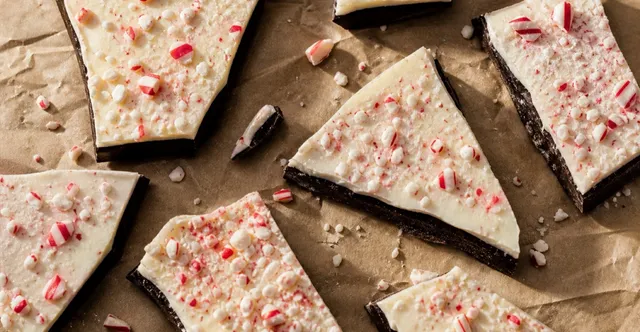
Peppermint Bark Recipe: The Tempered Version
A peppermint bark recipe with tempered chocolate: why layers separate, how some extracts can seize chocolate, and layer timing that helps dark and white chocolate bond.
Read →
 Science
 August 11, 2026
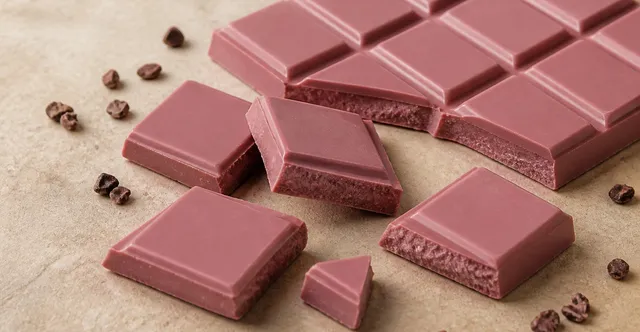
What Is Ruby Chocolate? The Fourth Type
How ruby chocolate is made, what it actually tastes like, the patent and FDA story, and whether the pink 'fourth type' is really a new category.
Read →
 Recipes
 August 9, 2026
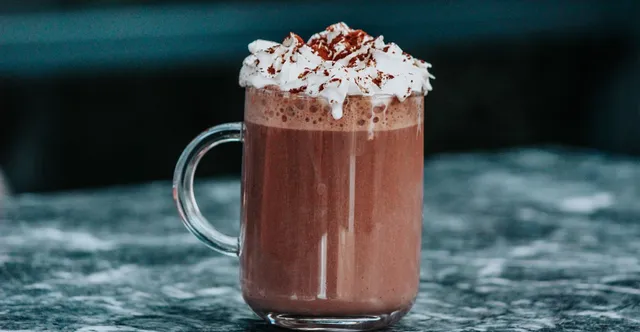
Homemade Hot Chocolate: Real Chocolate vs. Cocoa
Homemade hot chocolate from real chocolate vs. cocoa powder: the fat math, a hybrid method, and ratios for American, European, and Italian styles.
Read →
 Bean to Bar
 July 30, 2026
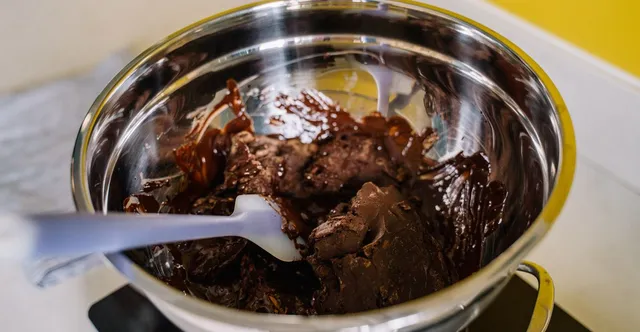
How to Melt Chocolate Without Ruining It
Melt chocolate smoothly in a microwave or bain-marie, avoid water and hot spots, and know when tempering is required for a glossy set.
Read →
 Bean to Bar
 July 30, 2026
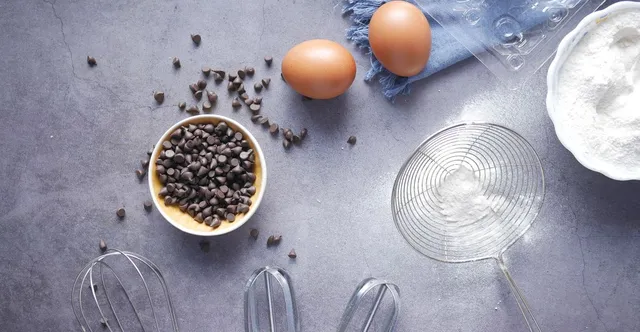
How to Melt Chocolate Chips Smoothly
Melt chocolate chips smoothly in a microwave or double boiler, identify real versus compound chips, improve flow, and make dipped strawberries.
Read →
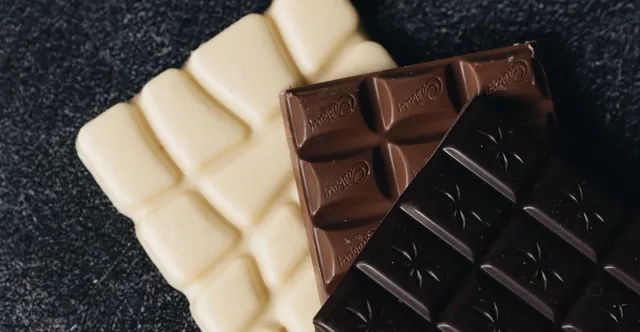 Science
 July 30, 2026
Types of Chocolate: 6 Categories Explained
Dark, milk, white, unsweetened, ruby, and blonde chocolate explained—plus which names are legal standards, styles, grades, or formats.
Read →
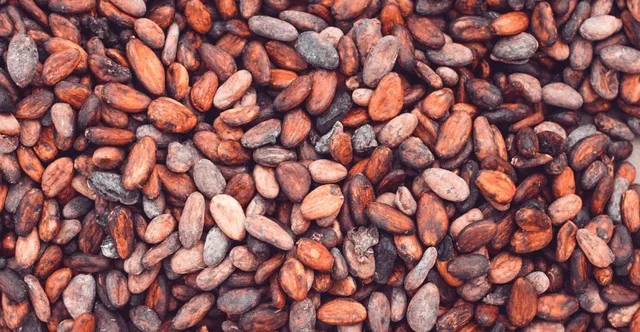 Science
 July 20, 2026
How Is Cocoa Butter Made? From Cocoa Bean to Pressed Fat
How cocoa liquor is pressed into cocoa butter and press cake, what deodorization changes, how extraction yield works, and why white chocolate uses this cacao fat.
Read →
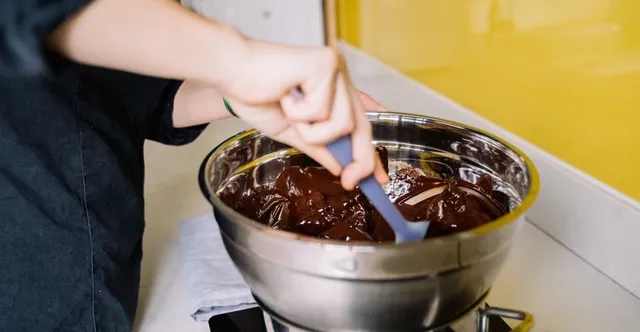 Bean to Bar
 July 20, 2026
Seized Chocolate: Why It Happens and How to Fix It
Chocolate seizes into a grainy, stiff paste when a trace of water hits the melt. Overheating causes a similar-looking mess by scorching it. Why each happens, how to rescue water-seized chocolate by adding more liquid, and why burnt chocolate can't be saved.
Read →
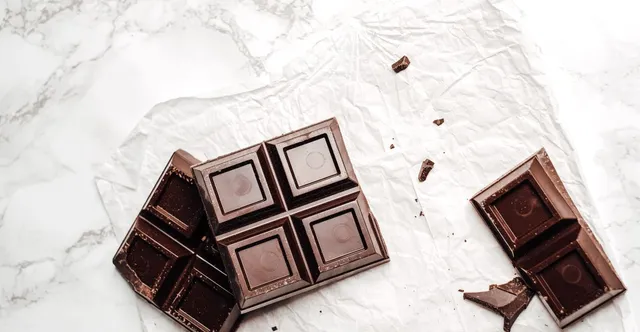 Science
 July 13, 2026
Cocoa Butter vs Its Substitutes: CBE, CBR, and CBS Explained
CBE, CBR, and CBS are industry terms for fats that can replace some cocoa butter. Learn the chemistry, compatibility limits, and current EU and US naming rules.
Read →
 Equipment
 July 13, 2026
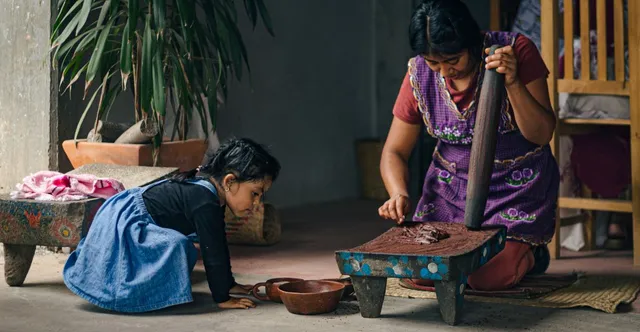
Blender vs Melanger: What You Need to Make Smooth Chocolate
A blender can make cocoa paste, but a chocolate refiner is the practical route to consistent smoothness. Compare grinding methods, batch sizes, and texture checks.
Read →
 Recipes
 July 6, 2026
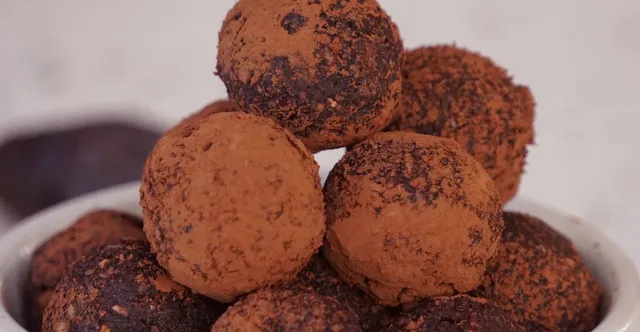
How to Make Chocolate Ganache and Truffles at Home
Make silky ganache and truffles with dark, milk, or white chocolate ratios, a stable emulsion method, coating options, and split-batch fixes.
Read →
 Bean to Bar
 July 6, 2026
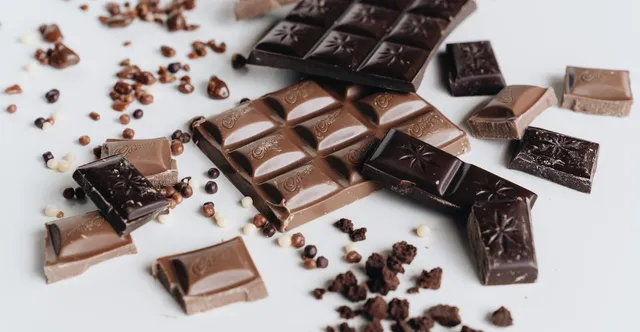
How Chocolate Is Made: From Cacao Seed to Finished Bar
How chocolate is made, from harvesting and fermentation to roasting, refining, conching and tempering — and how each stage shapes flavor, texture and snap.
Read →
No articles in this category on this page.