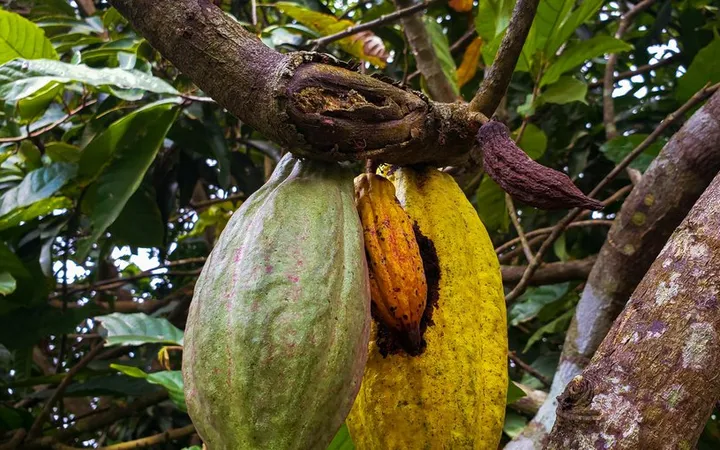
Cacao Swollen Shoot Virus Explained: The Disease Threatening West African Cocoa
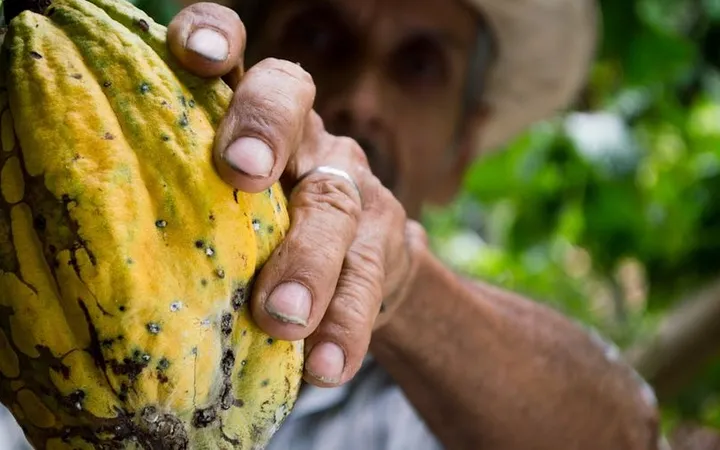
CSSV has infested 592,000 hectares of Ghanaian cocoa farms. The Badnavirus, its mealybug vector, and Ghana's $230M cut-and-replant rehabilitation program — explained.
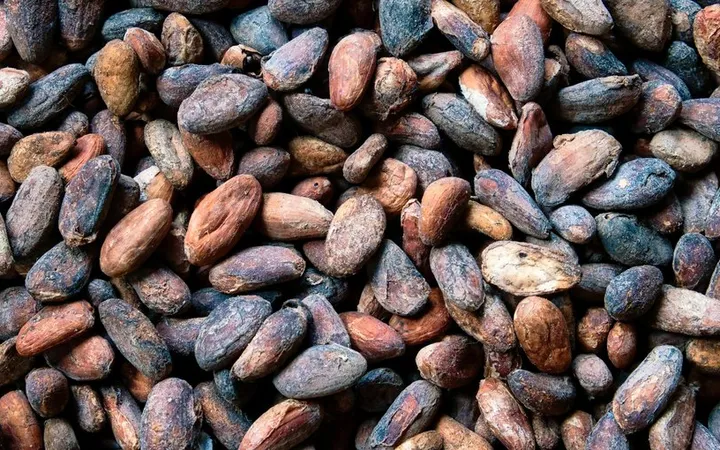
Cacao beans were the small-change money of the Aztec empire — priced in 1545 records, taxed as Codex Mendoza tribute, hauled by pochteca, counterfeited, and still circulating into the 1800s.
Fair Trade guarantees a $2,400/tonne minimum while direct trade pays $4,000 to $8,000. Here is how each model works, where the money goes, and what to look for.
Cocoa futures tripled to over $11,000 per tonne in 2024. Here is what caused the crisis, how it affects chocolate prices, and what it means for farmers and consumers.
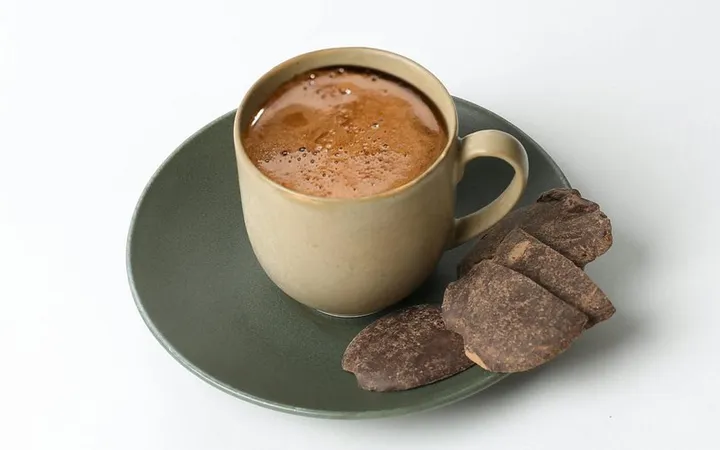
A balanced guide to ceremonial cacao -- what makes it different from regular chocolate, how to prepare it traditionally, what theobromine does, and how to evaluate quality.
Origin guide to Ghana and Ivory Coast cacao — Amelonado genetics, COCOBOD quality controls, fermentation methods, sustainability challenges, and why craft chocolate rarely uses West African beans.
Dominican Republic cacao is the only origin free of major cacao disease. Covers flavor profile, Zorzal sourcing, farmer economics, and roasting advice.
An origin guide to Bolivia's wild-harvest cacao — the Beni lowlands, Volker Lehmann, Felchlin Cru Sauvage, Alto Beni, and why Bolivian chocolate scores so consistently high.
An origin guide to Ecuadorian cacao — Nacional genetics, the Arriba floral aroma, Esmeraldas quality regions, the CCN-51 controversy, and why Ecuador produces 60% of the world's fine-flavor cacao.
An origin guide to Madagascar cacao — the world's most consistent single-origin flavor identity. Covers the berry and citrus signature, genetics, French colonial history, and roasting and formulation advice for Malagasy beans.
An origin guide to Papua New Guinea cacao — wood-fire drying as defining character, how quality correlates with smoke integration, dark raisin-like profiles, and how to roast and conch PNG beans to work with the smoke.
An origin guide to Peruvian cacao — Piura's grape and tangerine, Maranon's citrus, Amazonian fig and anise. The Pure Nacional rediscovery, white-bean fermentation, and Peru's transformation from zero fermentation infrastructure to genetic jewel.
An origin guide to Tanzanian cacao — the uniquely Tanzanian melon note, honey and dairy characteristics, consistently above-average scores, and how Kokoa Kamili's wet-bean purchasing model transformed quality.
An origin guide to Venezuelan cacao — four centuries of Chuao, the creamy Porcelana, Ocumare's consistency, and why Venezuela produces less than 1% of world cacao at extreme premiums.