Bolivia is an origin worth exploring through individual bars and producers. A forest-collected Beni lot and a cultivated Alto Beni lot need not taste alike, and two makers can take the same beans in different directions. The appeal is the range of material and the people bringing it to market—not a promise that every Bolivian bar has one national flavor.
Beni and Alto Beni: A Useful Starting Point
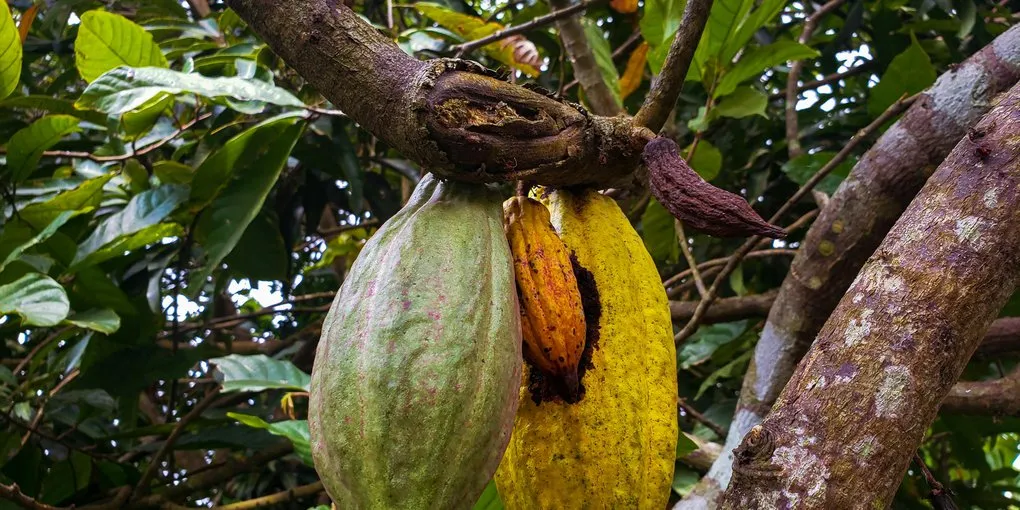
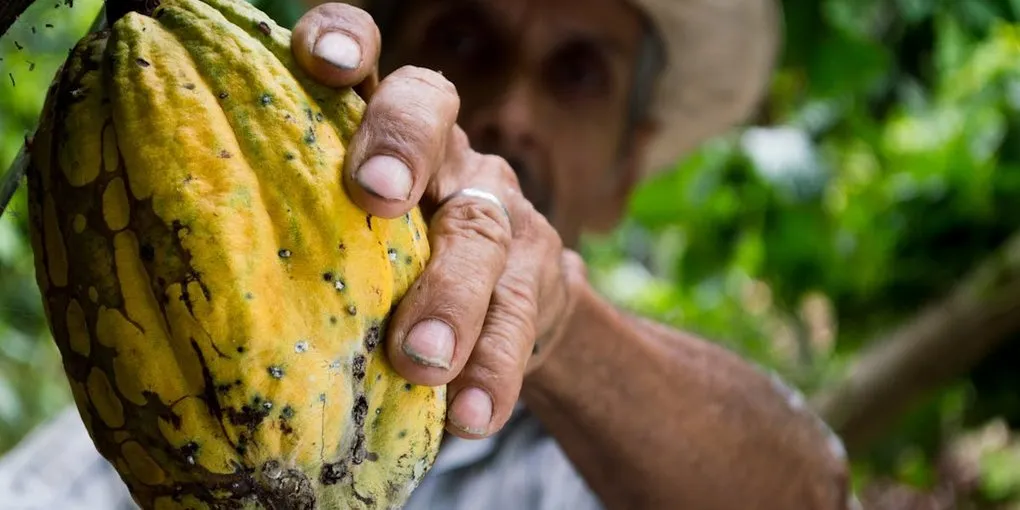
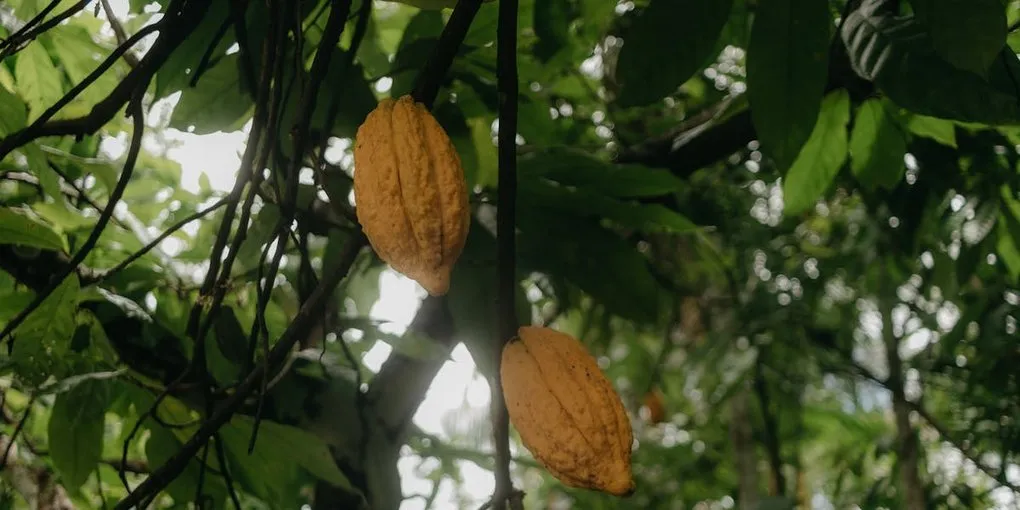
The Beni lowlands include forest patches known as chocolatales, where communities gather cacao. Felchlin’s account of its Bolivian supply describes cacao on raised forest islands within seasonally wet terrain. In that network, Baure families collect, ferment and dry beans locally; Sumar coordinates purchases.
Alto Beni, in the department of La Paz, includes cultivated cacao and smallholder production. It is not simply the opposite of “wild Beni”: names on bags can refer to a region, a company, a collection network or a particular population. Ask which one the seller means. Cacao farming and collection practices also vary within an origin.
Forest collection does not establish that a stand has never been influenced by people. The history of cacao includes long relationships between people and trees. A claim that every chocolatale is an untouched, trench-ringed pre-Columbian site needs site-specific evidence. Nor does a small bean establish its evolutionary age.
Distinctive Genetics, Without a “Purity” Ranking
A USDA-ARS summary of Zhang and colleagues’ genetic study describes 164 Bolivian accessions compared with 40 international references. The researchers found a distinctive profile in Cacao Nacional Boliviano and similarities between sampled cultivated native cacao and wild Beni populations. They also found diversity within the wild population.
That supports conserving these populations. It does not rank their flavor or make all Bolivian cacao genetically identical. Local or commercial use of criollo should not be treated as a laboratory assignment to the Central American Criollo group; cacao genetics are more specific than those broad trade names.
Isolation is not absolute either. A 2013 study of wild and cultivated Bolivian cacao found pollen exchange between the sampled populations. Its conservation message was to protect substantial forest areas, not to assume that a “wild” label guarantees no gene flow.
Preserving native diversity can support future breeding and conservation. It is not evidence that a particular forest lot has proven disease resistance, or that useful traits are necessarily absent from commercial hybrids such as CCN-51.
Volker Lehmann and Heirloom Recognition
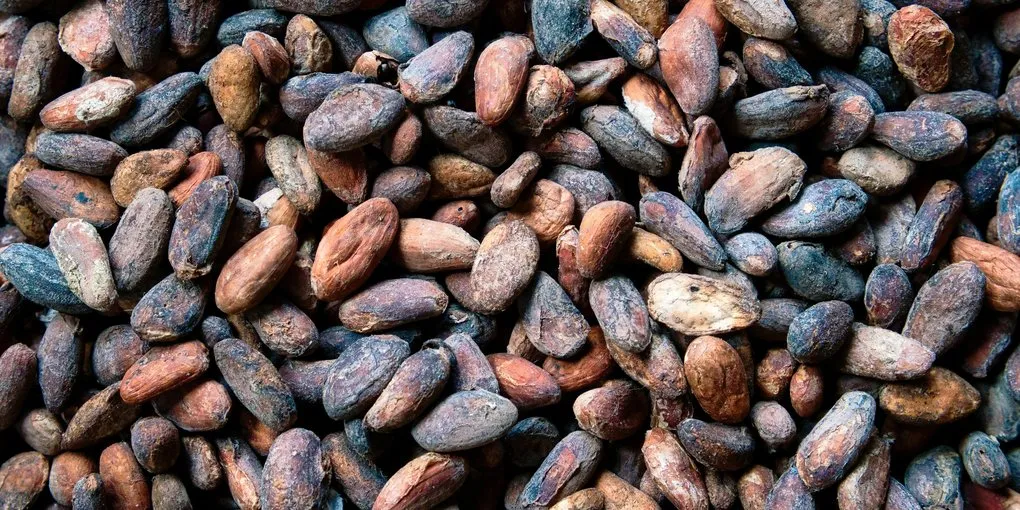
Volker Lehmann helped develop international markets for Bolivian cacao and the Tranquilidad collection network. Uncommon Cacao describes its work with him, including locally gathered beans, monitored box fermentation, solar drying and sorting. Those are active post-harvest choices, even when the trees themselves are not plantation-grown.
The Heirloom Cacao Preservation initiative’s first announcement, dated February 2014 in the announcement text, names Alto Beni and Tranquilidad among its first designees. Both were supplied by Lehmann. The designation concerns evaluated cacao and its preservation; it is not a blanket certification of every Bolivian harvest.
Felchlin reports sourcing wild Bolivian cacao since 2005, and working with Sumar since 2014. Its current supply should not be described as though every bean still passes through Lehmann’s estate. Indigenous collectors and local processors are central to the story, rather than merely supporting a foreign “discovery.”
What the Chocolate Can Taste Like
Use the notes on a specific product as an invitation to taste, not a prediction from the country name. Three published examples show why:
- Original Beans Beni Wild 66%: the maker describes fruity honey and jasmine tea, with cream and almond among its secondary notes. Its product page currently says the 70 g bar is in its final production batch while couverture bags remain in the range. Check the format and stock before ordering.
- Felchlin Bolivia 68%–60h: its manufacturer brochure lists cacao, lemon, grapefruit, plum and vanilla. That is a different emphasis from a universal cherry-and-caramel description.
- Fruition’s Alto Beni sourcing profile: the maker’s page emphasizes brownie-like, earthy and chocolate notes. An origin profile is not a promise that every former bar is currently stocked.
These are maker descriptions, not new JayArr tasting results. Individual high review scores cannot establish that a country is more consistent than Venezuela or more narrowly flavored than Peru. A comparison with Madagascar is most useful when you name the bars, percentages and makers you actually taste.
Other Producers and Buying Leads
Chocolate Baure makes chocolate using Bolivian wild cacao. Its 70% product page lists cacao and cane sugar and describes local collection and post-harvest work. It is a useful example of processing associated with an origin-country business; the company’s sustainability claims should still be assessed on their supporting records.
Taza’s Alto Beni relationship is historical. Its partner profile explicitly says it is no longer sourcing from Bolivia and that its 87% Bolivia bar is unavailable. The page remains informative about the centralized fermentation facility and the 2011–2016 partnership, but it is not a current shopping recommendation.
For beans, start with specialty cacao suppliers that identify the producer, crop or lot, processing and storage history. “Bolivian” and “wild” are not substitutes for traceability. Request a sample and current specifications rather than assuming that an older product listing represents this year’s stock.
Check price on Amazon →This search link is a starting point, not verification of any seller’s origin claim. Compare the delivered price, quantity and traceability information. There is no single reliable price range for a country across different bar weights, bean lots and markets.
Roasting, Fermentation and Formulation
Do not choose a fermentation duration from a “Criollo-type” label. Ask how that lot was processed. A color cut test is one part of quality assessment, alongside defects, aroma and properly prepared sensory samples. The Cacao of Excellence guide describes structured sampling; cutting 10–20 beans and applying a universal 75%-brown pass mark does not establish a lot’s flavor or safety. See our fermentation explanation for the mechanisms.
For roasting, use equipment- and lot-specific guidance, record your process and compare controlled trials. “End-of-roast temperature” is incomplete without saying where and how it is measured. This guide therefore supplies no national 250–262°F target. A flavor trial is also not validation of microbial lethality; our roasting guide discusses that separate requirement.
There is no demonstrated 68–72% sweet spot for all Bolivian cacao. Published products outside that interval are enough to question a rigid rule; they do not prove which one you will prefer. Cacao percentage includes cocoa butter as well as cocoa solids, so equal percentages can conceal different recipes.
A two-ingredient formulation may suit a particular lot and application, but the origin alone cannot establish its viscosity. If adding cocoa butter, use a controlled recipe adjustment and assess flow after refining and tempering. Five grams per kilogram is 0.5% of the starting batch, not an established Bolivian-bean correction.
Likewise, no evidence here establishes 20–24 hours as ideal conching or 30 hours as an upper limit. Felchlin’s 68% product specifies 60-hour processing. That industrial example refutes a universal time limit; it is not an instruction to run a home melanger for 60 hours.
Conservation: Ask What the Supply Chain Supports
Forest cacao can give communities an income tied to standing trees. Original Beans describes work with Movima communities and agroforestry nurseries, while other suppliers describe different collection areas and partners. These are specific commercial conservation programs, not proof that every purchase prevents deforestation.
Useful questions are concrete: Who owns or manages the collection area? Who receives the bean payment? How is post-harvest work organized? What conservation outcomes are tracked? Those answers tell you more than an unqualified “untouched forest” story.
For a tasting comparison, include named Bolivian bars alongside specific offerings from Tanzania or the Dominican Republic. Record what you perceive before reading the maker’s notes. The resulting differences belong to those products—not automatically to every cacao tree in their countries.
Bolivia: Wild Cacao Origin Profile
Flavor Examples
Maker-described floral, honey, citrus, earthy and chocolate notes; no single national flavor.
Growing and Sourcing
Beni forest collection and Alto Beni farms and supply networks; verify the specific producer.
Genetics
Distinctive native populations with internal diversity; wild does not guarantee genetic isolation.
Market History
Lehmann helped develop export networks. Felchlin reports Bolivian sourcing since 2005.
HCP Recognition
Alto Beni and Tranquilidad were designated in 2014; recognition is specific to evaluated cacao.
Roasting
Use lot- and equipment-specific guidance; no national endpoint temperature is established here.
Formulation
Compare specific recipes and products rather than assuming a best cacao percentage.
Shopping
Check current maker listings. Taza's Bolivia relationship and bar are historical.
Based on the linked genetic studies, HCP records and producer accounts. Tasting descriptions are attributed examples, not a new sensory test.
jayarrchocolate.comFrequently Asked Questions
- What does wild-harvest cacao mean?
- It generally means cacao gathered from forest stands rather than a conventional planted orchard. Collection, fermentation, drying and trade still involve people. Verify how the individual supplier uses the term; it does not establish that people never influenced the stand.
- Is Bolivian chocolate expensive?
- Compare current prices per unit weight and include shipping. Maker, format, recipe and lot matter more than a blanket national price range. A premium or wild label alone is not proof of quality.
- How does Bolivian chocolate compare to Peruvian?
- Both have diverse producers and products. Compare named bars at similar percentages and record the maker and recipe. The evidence here does not rank one country as more consistent or more diverse in flavor.
- Can I buy wild Bolivian cacao beans to make chocolate at home?
- Specialty suppliers have offered traceable Bolivian lots. Confirm current inventory, crop, processing and intended use. A small visual sample or a brown-bean percentage cannot establish flavor or food safety.
- What is Felchlin Cru Sauvage?
- It is the wild-Bolivian-cacao couverture associated with Felchlin's Bolivia 68%–60h product. Check the current regional catalogue and distributor listing. It is one producer's formulation, not a universal Bolivian recipe.
- What roast profile works best for Bolivian cacao?
- No single profile follows from the country name. Bean size, moisture, lot quality, equipment and the measured temperature location matter. Use appropriate process guidance and distinguish sensory development from food-safety validation.
- What percentage is best for Bolivian chocolate?
- There is no established national optimum. Compare specific products and formulations. Cacao percentage includes cocoa butter, so two bars at the same percentage may still have different fat, sugar balance and texture.
Some links above are affiliate links. We may earn a small commission if you purchase through them, at no extra cost to you.