
Equipment
Blender vs Melanger: What You Need to Make Smooth Chocolate
A blender can make cocoa paste, but a chocolate refiner is the practical route to consistent smoothness. Compare grinding methods, batch sizes, and texture checks.
A blender can make cocoa paste, but a chocolate refiner is the practical route to consistent smoothness. Compare grinding methods, batch sizes, and texture checks.
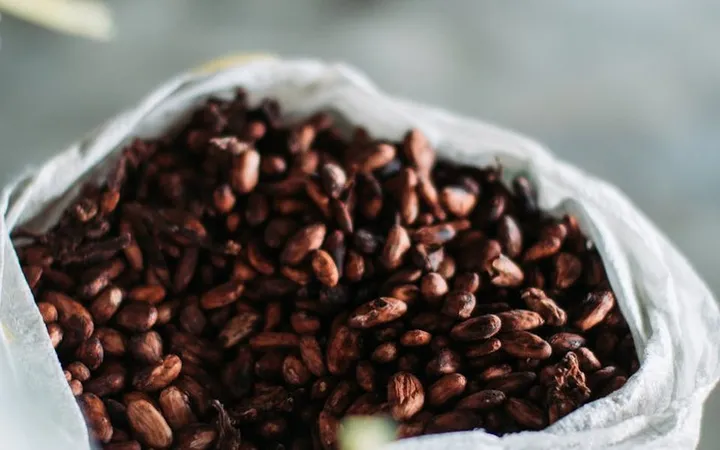
Build a home chocolate budget from current equipment quotes, what you already own, and measured yields. Includes a worked 50 g bar-cost example.
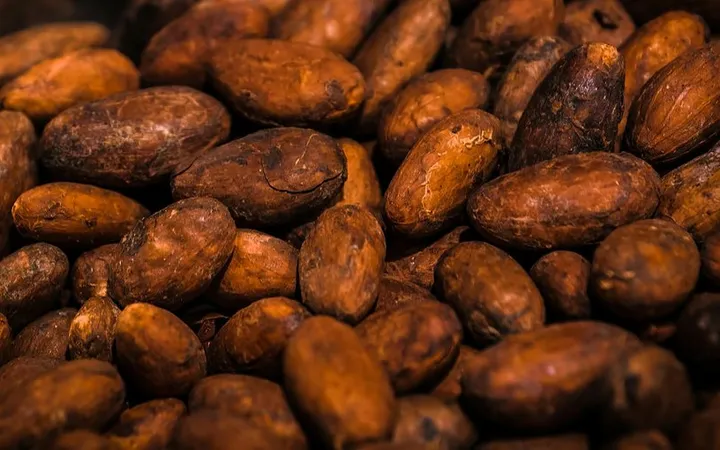
How specialist cacao-roasting advice differs from the Behmor manual: batch-size limits, automatic versus manual controls, cooling, and what roast cues cannot prove.
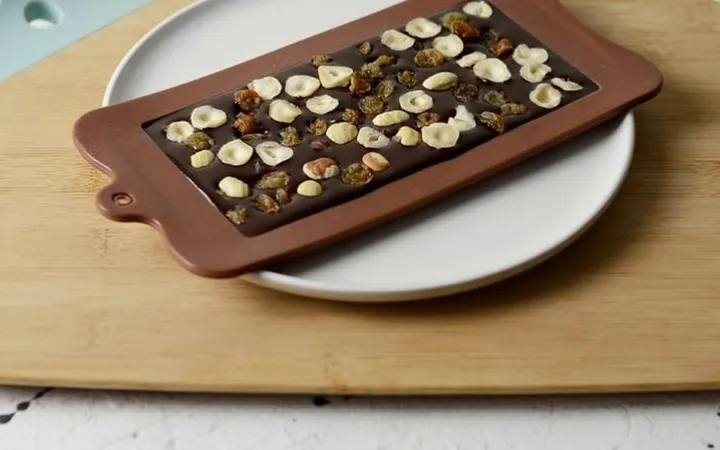
Choose chocolate molds by cavity finish, rigidity, bar size and care instructions. Compare polycarbonate and silicone without confusing mold choice with temper.
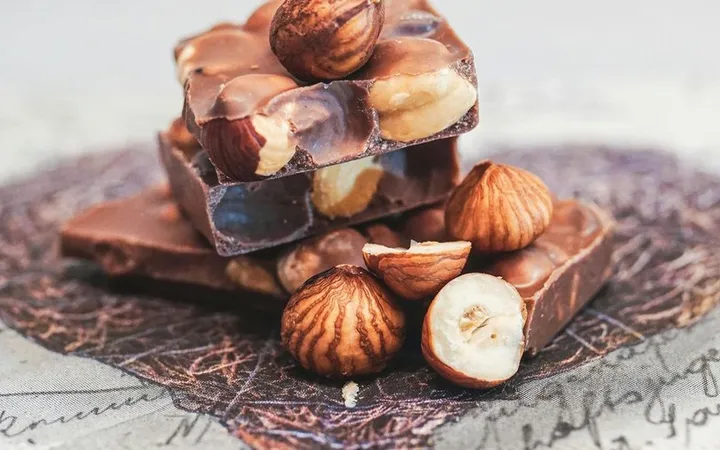
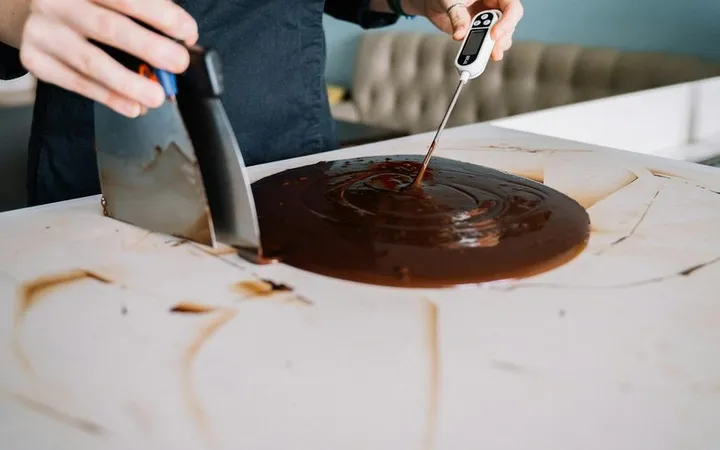
Compare manual tempering, chocolate melters and automatic machines. Match batch size, working charge and workflow to the equipment you actually need.
Three probe thermometers ranked for chocolate tempering accuracy, speed, and value, plus why infrared guns cannot replace an immersed probe.
Compare a home oven with the Behmor 2000AB Plus for cacao, including capacity conflicts, temperature measurement, roast notation, and buying checks.
Compare seven chocolate melangers by model, batch size, voltage, price and availability. Find the right capacity and check the minimum loading requirements.

Choose sugar for bean-to-bar chocolate by flavor, moisture, and refining behavior. Compare cane, coconut, muscovado, maple, date sugar, and sweetener blends.
Compare small-batch winnowing, dedicated separators and cacao crackers. Understand shell limits, equipment compatibility, yield measurements and upgrade costs.

How chocolate makers have adapted the Champion juicer for cracking and cocoa liquor, why the setups differ, and when a separate pre-grinding step is optional.

Everything you need to make bean-to-bar chocolate at home. Covers roasting, cracking, winnowing, refining, tempering, and molding with specific tool recommendations.
Choose a documented cacao winnower design, check blower and food-contact requirements, and calibrate separation without confusing yield with shell content.
Use a grindometer to check chocolate's coarse particles and aggregates. Learn the drawdown method, gauge limits, and why a reading is not D90 or a stop timer.
Compare Premier, Spectra, Elgi Ultra and CocoaTown melangers by exact model, capacity, minimum batch, voltage and current price.
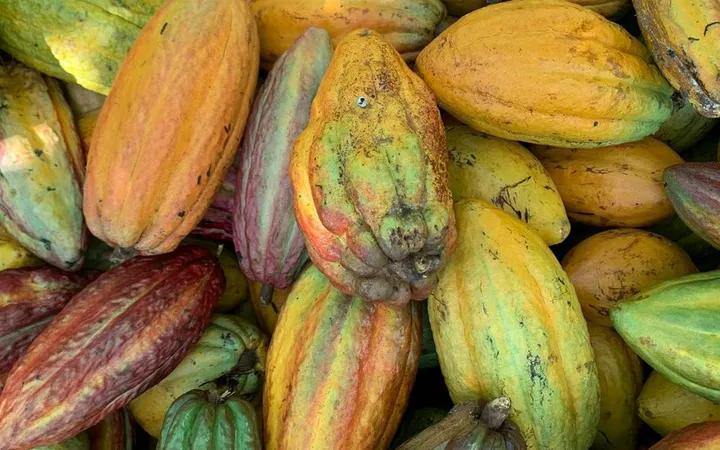
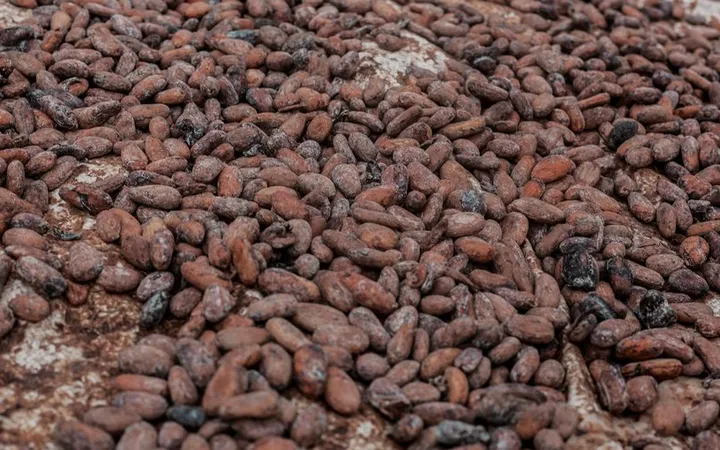
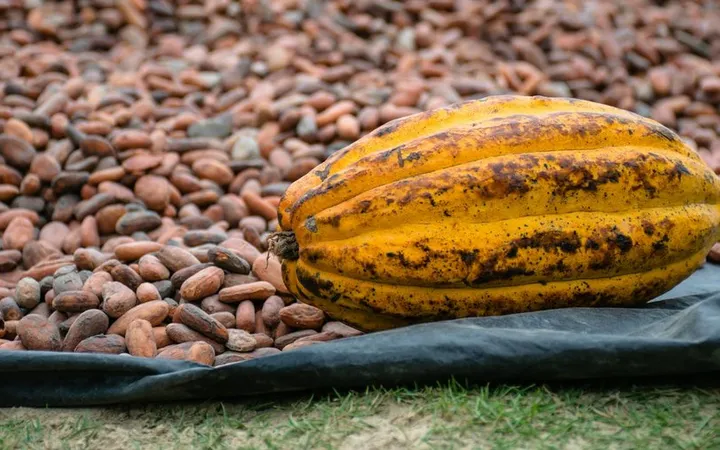
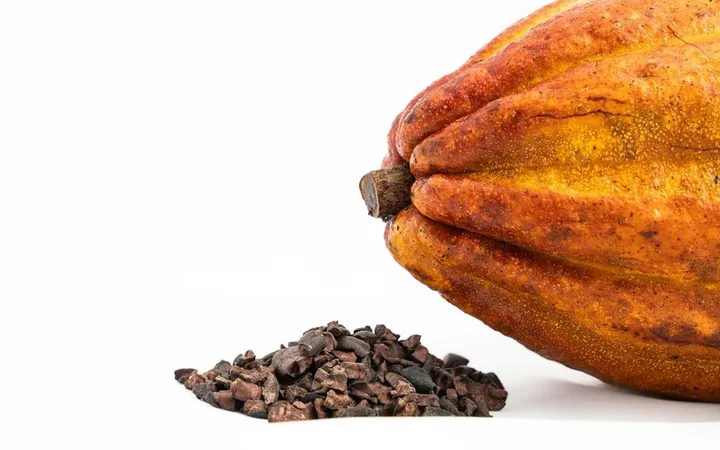
Compare cacao suppliers, whole beans and nibs, lot information, delivered costs, and sample sizes that fit your chocolate-making equipment.