Recipes
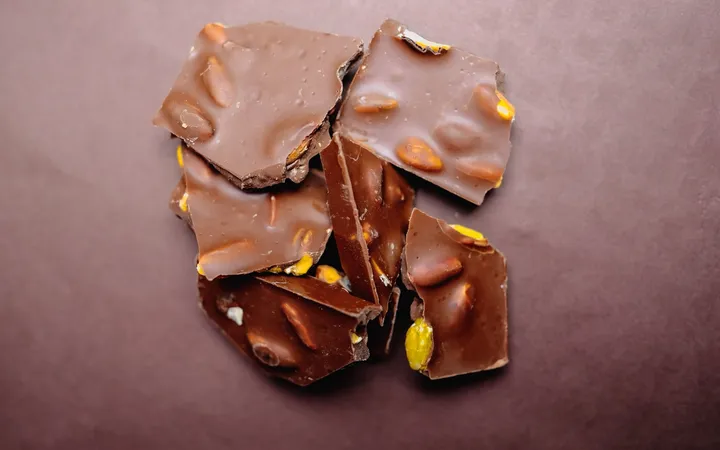
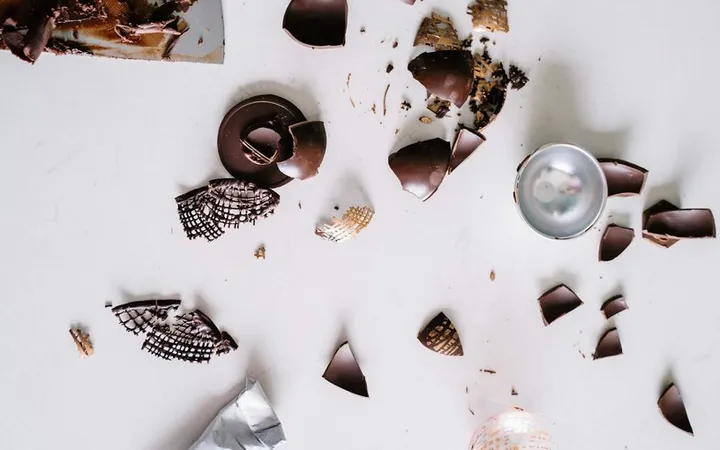
Chocolate Bark: One Technique, Endless Toppings
The chocolate bark master method: temper, spread, top, break. How to choose dry inclusions, build seasonal combinations, and store bark without bloom.
The chocolate bark master method: temper, spread, top, break. How to choose dry inclusions, build seasonal combinations, and store bark without bloom.
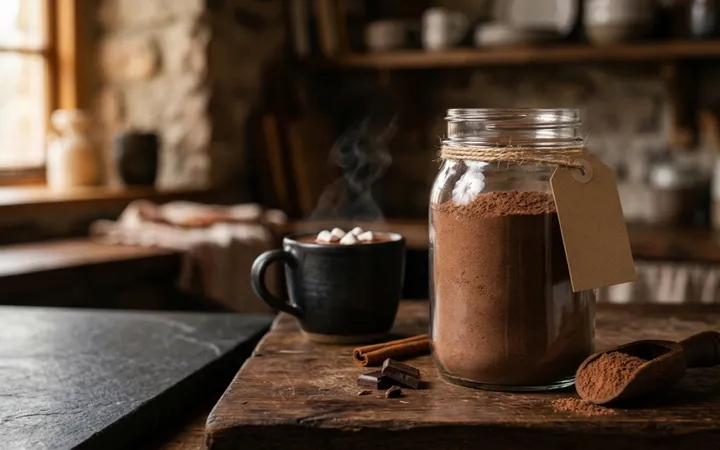
A homemade hot chocolate mix recipe with Dutch cocoa, real chocolate, and milk powder, plus exact mug ratios and mocha, Mexican, and peppermint variants.
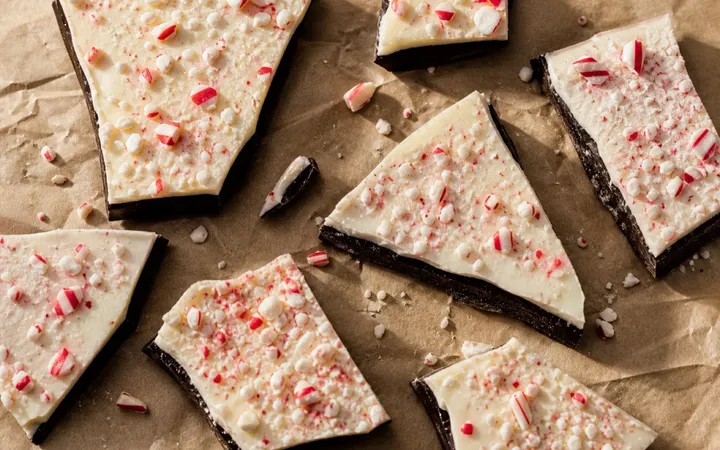
A peppermint bark recipe with tempered chocolate: why layers separate, how some extracts can seize chocolate, and layer timing that helps dark and white chocolate bond.
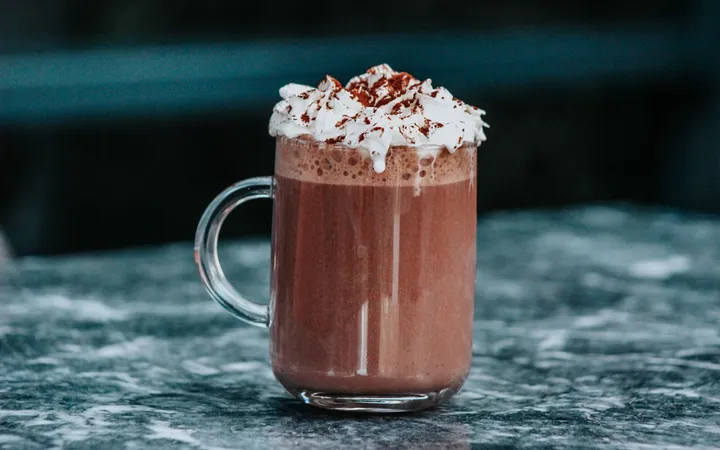
Homemade hot chocolate from real chocolate vs. cocoa powder: the fat math, a hybrid method, and ratios for American, European, and Italian styles.
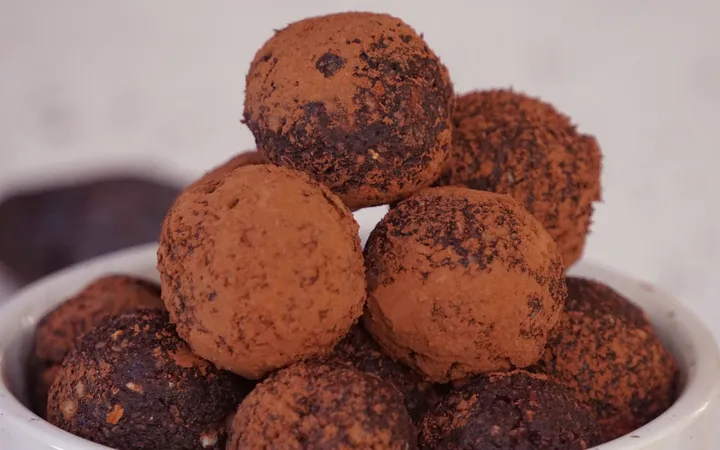
Make silky ganache and truffles with dark, milk, or white chocolate ratios, a stable emulsion method, coating options, and split-batch fixes.
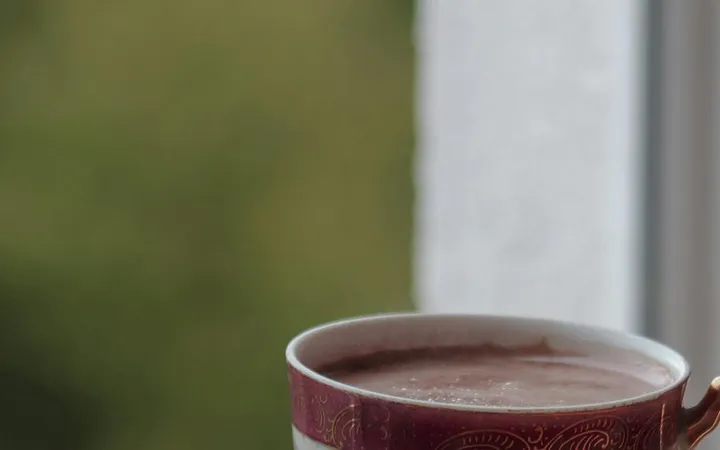
Brew cacao husk tea from food-grade bean shells. Learn how to choose shells, adjust the brew, and understand variable caffeine and theobromine levels.
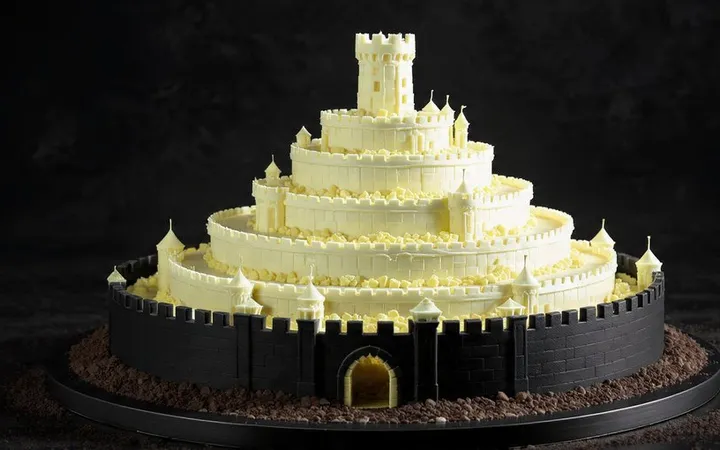
Michelle Gillott's Minas Tirith cake used fruit cake, marzipan, and fondant. Learn what a separate chocolate adaptation would require, from tempering to supports.
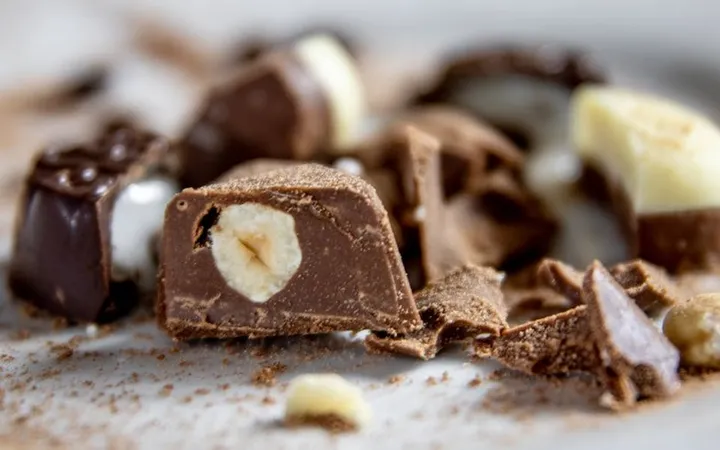
Learn to make gianduja from scratch with roasted hazelnuts, chocolate, and a melanger. Covers Piedmont history, ratios, refining, tempering, and troubleshooting.
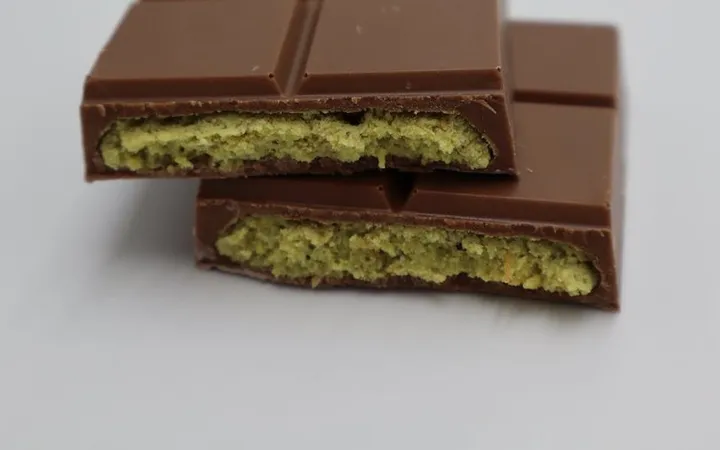
The story and ingredients behind pistachio-kataifi chocolate bars, plus a home assembly method, product-specific tempering, and storage considerations.
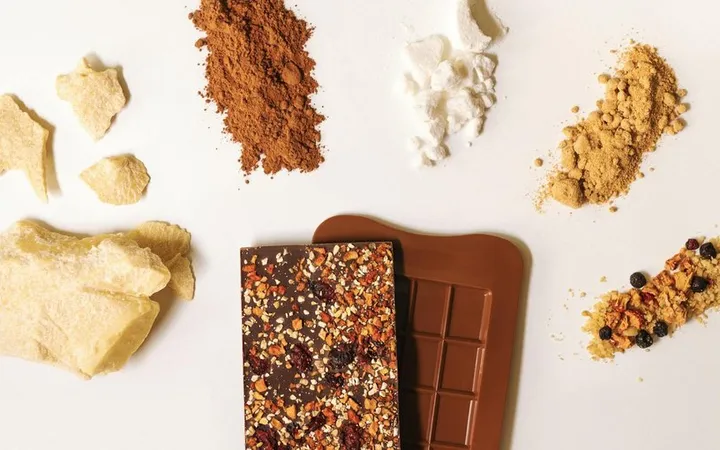
How to adjust chocolate with cocoa butter, choose an addition amount, recalculate cacao percentage, and distinguish formula problems from overcrystallization.
Roasted cacao nibs are a versatile cooking ingredient. Twelve ideas from infused cream and nib brittle to mole, smoothies, and bar inclusions — plus ready-to-eat sourcing, caffeine, and storage guidance.
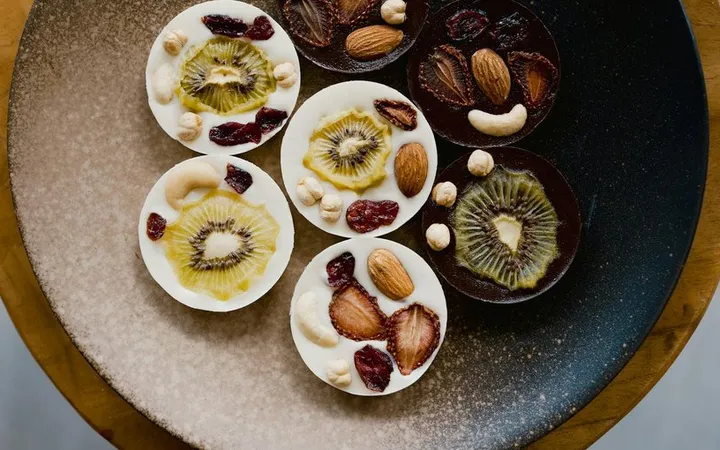
How to add inclusions to bean-to-bar chocolate — nuts, cacao nibs, dried fruit, salt, spices, and more. Covers timing, tempering considerations, and fat migration prevention.
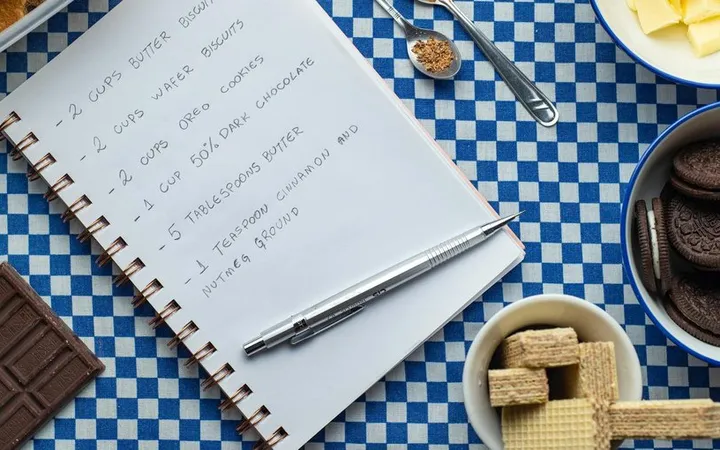
Learn to formulate chocolate recipes from cacao percentage to ingredient ratios. Covers the two-ingredient base formula, cocoa butter additions, milk, and lecithin.
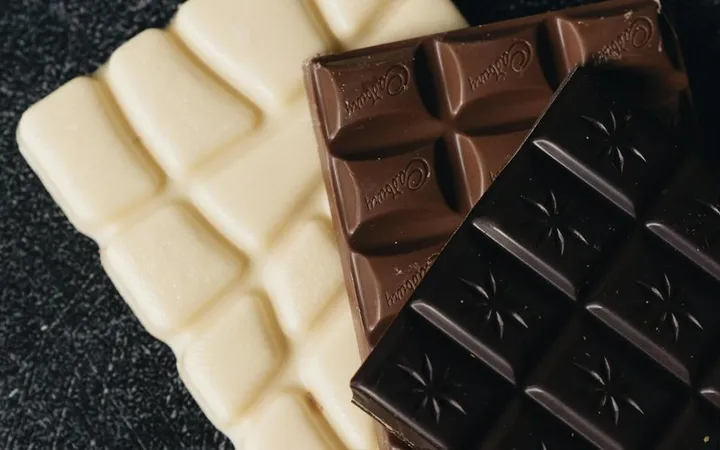
Five complete bean-to-bar dark chocolate formulations with exact weights, fat targets, and conching adjustments. From the minimal two-ingredient approach to a European-style bar with lecithin and a spiced variation.
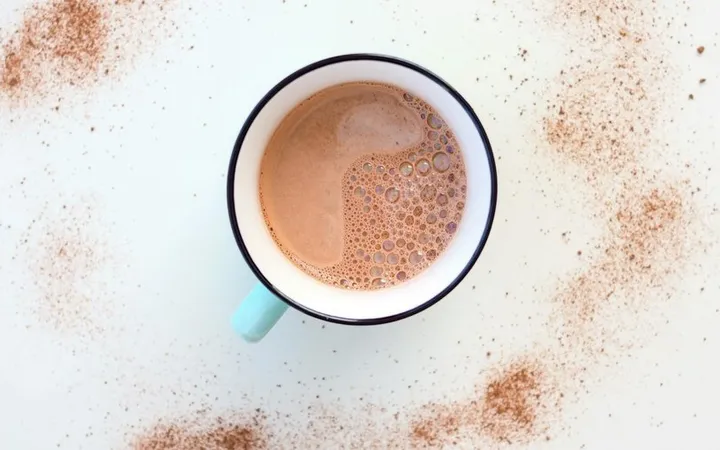
Three drinking chocolate methods — Mesoamerican-style, European hot chocolate, and modern craft — using homemade chocolate or roasted nibs. Includes practical mixing and serving guidance.
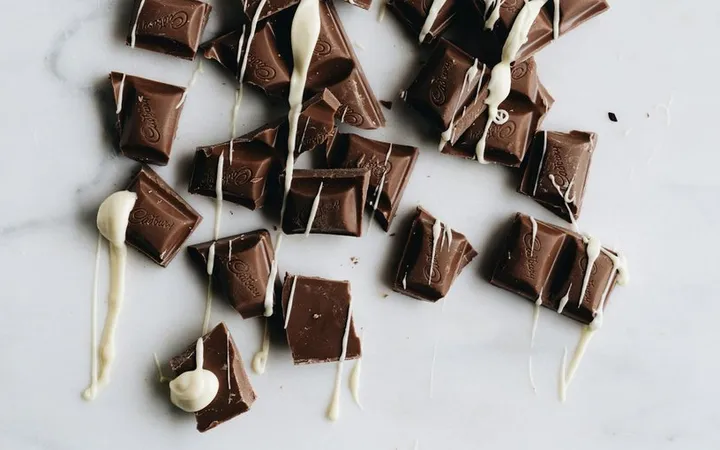
Make milk chocolate in a melanger with clear ingredient ratios, milk-powder choices, temperature guidance, and a corrected tempering sequence.
A complete guide to making white chocolate at home using cocoa butter, milk powder, and sugar. Covers formulation, the bean-to-bar case for pressing your own butter, tempering at lower temperatures, and why white chocolate is the hardest to make well.