Science
PGPR vs. Lecithin in Chocolate: Flow and Labels
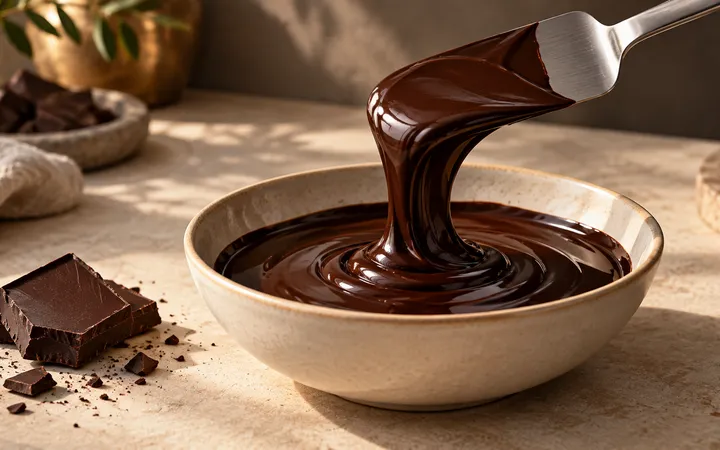
What PGPR does in chocolate, how it differs from lecithin and cocoa butter, and what current US and EU rules actually say.
What PGPR does in chocolate, how it differs from lecithin and cocoa butter, and what current US and EU rules actually say.
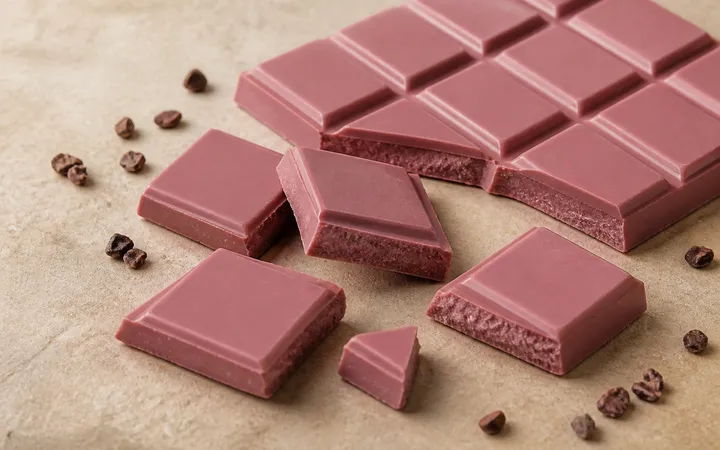
How ruby chocolate is made, what it actually tastes like, the patent and FDA story, and whether the pink 'fourth type' is really a new category.
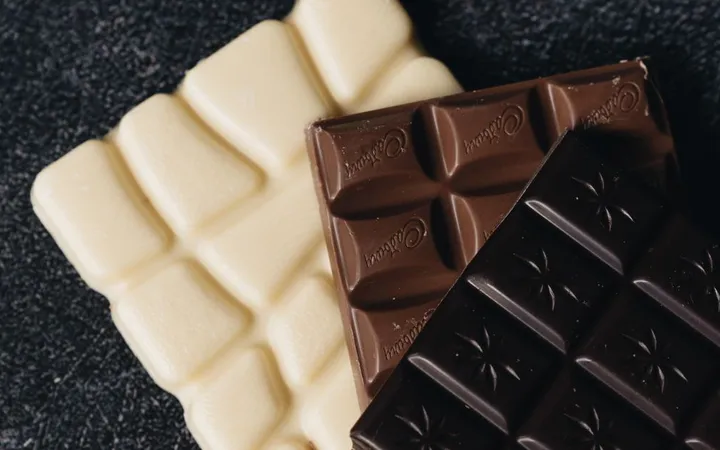
Dark, milk, white, unsweetened, ruby, and blonde chocolate explained—plus which names are legal standards, styles, grades, or formats.
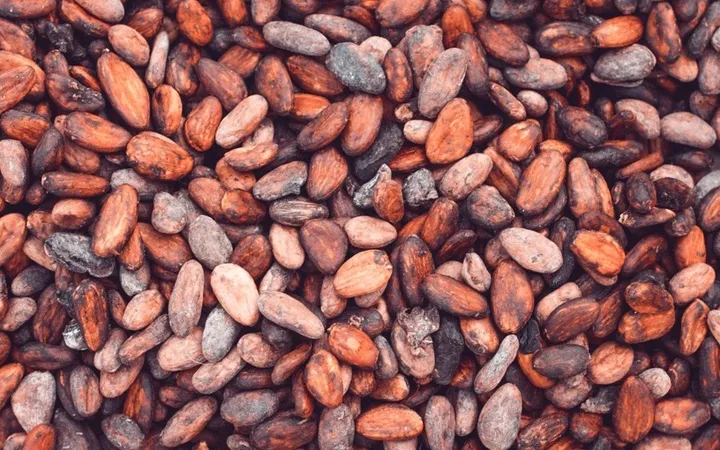
How cocoa liquor is pressed into cocoa butter and press cake, what deodorization changes, how extraction yield works, and why white chocolate uses this cacao fat.
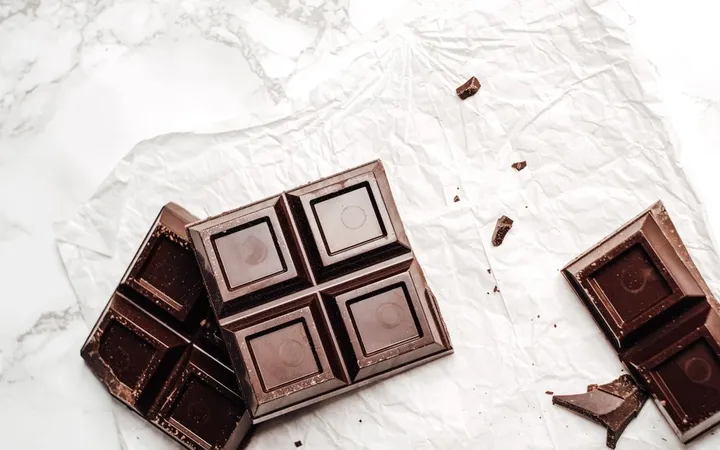
CBE, CBR, and CBS are industry terms for fats that can replace some cocoa butter. Learn the chemistry, compatibility limits, and current EU and US naming rules.
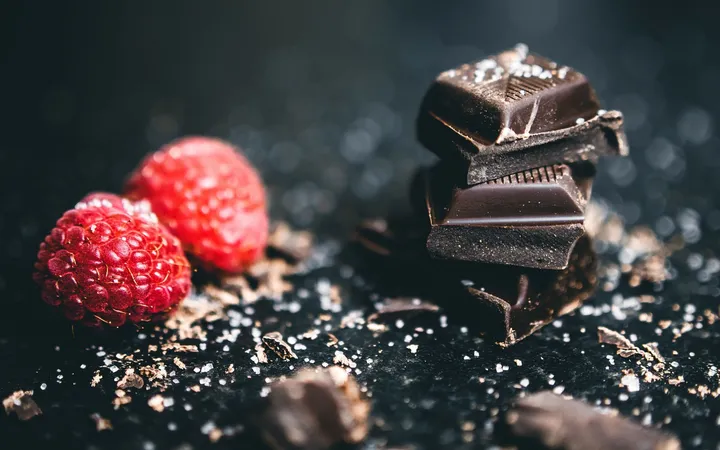
How to store chocolate so it keeps its snap and flavor — useful temperature ranges, moisture control, wrapping that works, and when the fridge or freezer is actually the right call.

Plain chocolate usually loses quality slowly, but contamination and perishable fillings still matter. Learn storage estimates, bloom signs, and when to discard it.
Small chocolate-challenge studies have mixed and uncertain results. Food cravings can precede migraine pain, but they do not rule out individual triggers. What the studies and clinical guidance support.
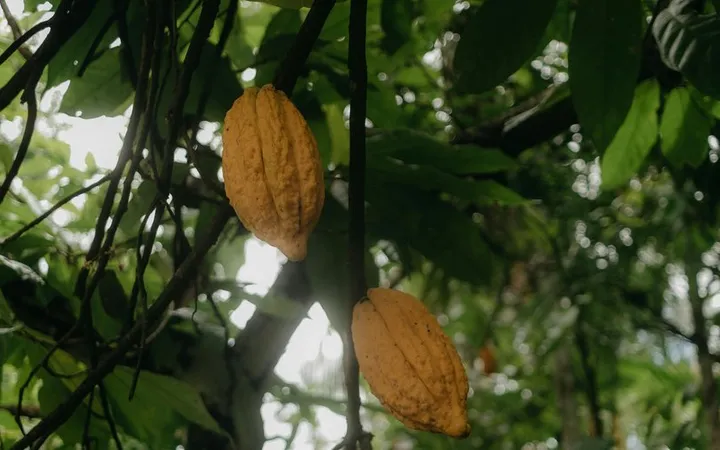
Tiny midges are important cacao pollinators, but flower visits, fertilization and mature pods are different outcomes. What field studies show about yield and hand pollination.
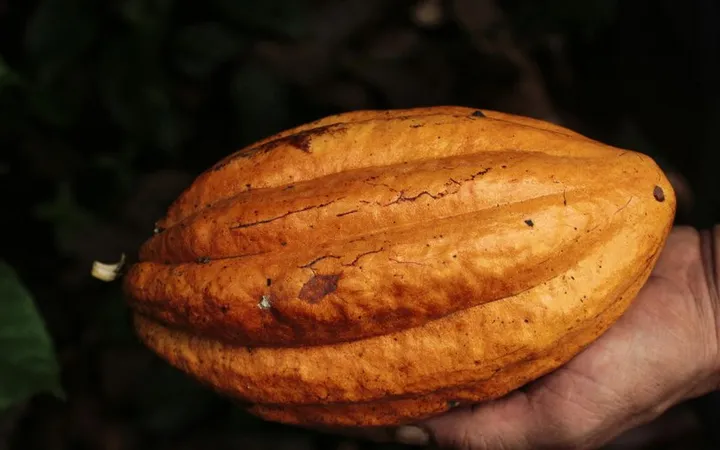
What pottery, inscriptions, and colonial accounts reveal about Maya and Mexica cacao drinks: grinding, frothing, varied ingredients, and social meaning.
What we know about Rodolphe Lindt's 1879 conching breakthrough, the famous weekend legend, and the 1899 deal with Sprüngli — plus what conching actually changes.
The Van Houten story involves two different processes: pressing cocoa butter and alkalizing cocoa. Here is what the evidence supports, and what remains disputed.
Why Daniel Peter is credited with the 1875 milk-chocolate breakthrough, how milk dehydration mattered, and where the familiar Nestlé and Gala Peter story needs care.
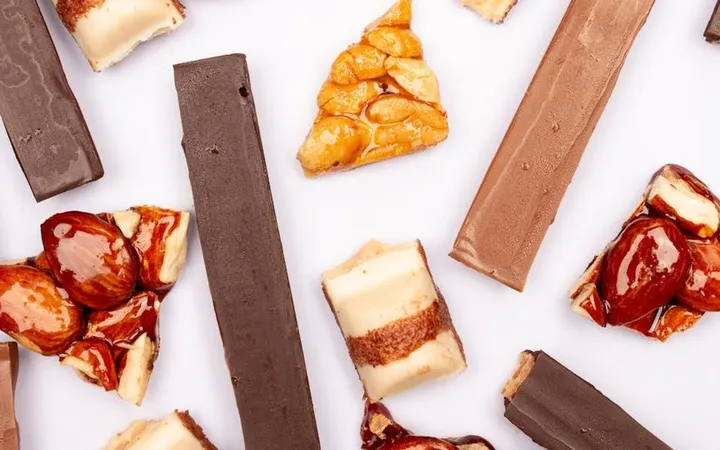
How blonde chocolate develops its toasted flavor, what Valrhona's Dulcey contains, and how to brown white chocolate without confusing Maillard reactions with caramelization.
Black cocoa is an ultra-alkalized cocoa powder used for very dark color. Learn what pH, fat content, flavor, flavanols, and leavening can and cannot tell you.
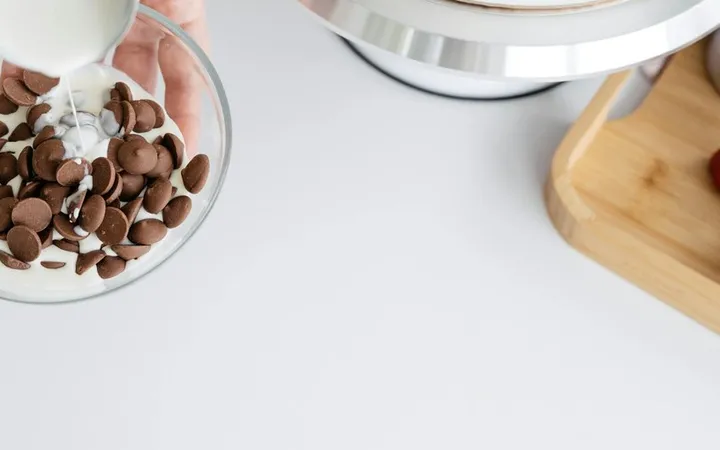
Learn how soy lecithin changes chocolate flow, how it compares with sunflower lecithin and PGPR, and what ingredient and allergen labels tell you.
Theobromine is usually the main methylxanthine in chocolate. Compare measured food-composition values, the limits of stimulant claims, and why chocolate can poison pets.
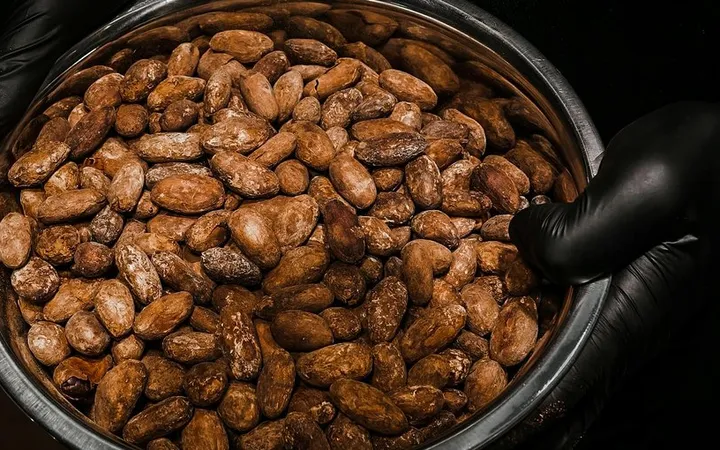
How sugars, amino acids and peptides help build cacao's roasted aromas—and why fermentation, roasting and conching cannot be reduced to one temperature or timer.
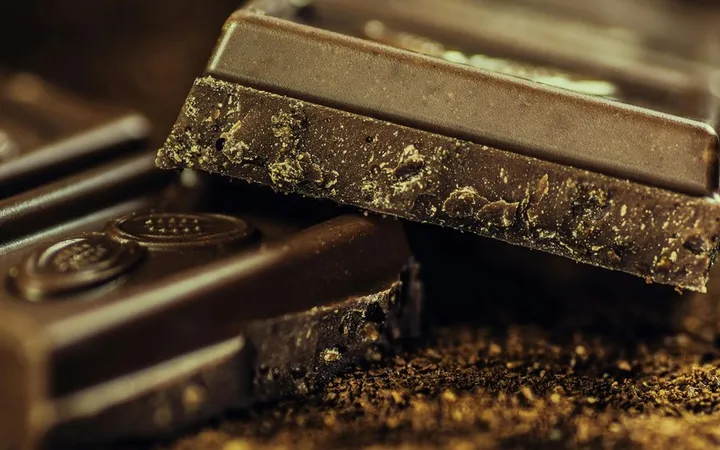
Lead and cadmium vary by chocolate and serving size. Understand the testing, exposure benchmarks, and practical ways to reduce intake without treating old brand results as guarantees.
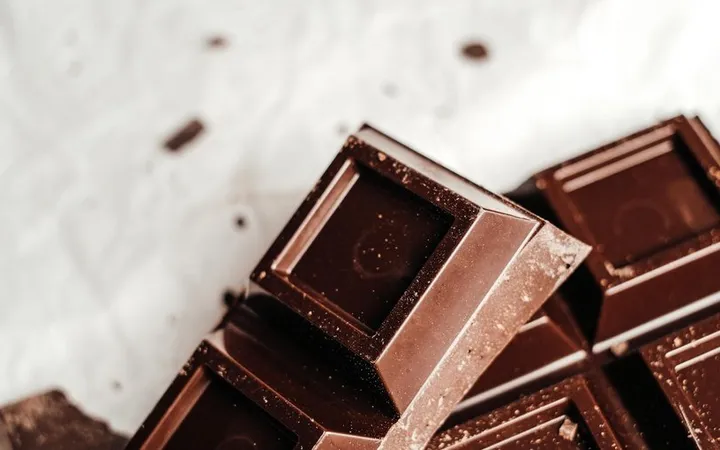
How Strecker degradation links amino acids to chocolate aroma, why fermentation matters, and what research shows about roasting, conching, and aroma release.
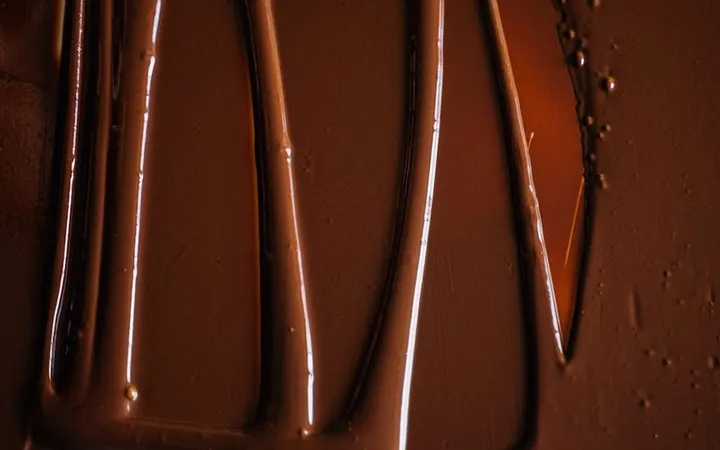
What Casson yield value and plastic viscosity mean, how chocolate flow is measured, and why fat, emulsifiers, particle size, and processing need separate tests.
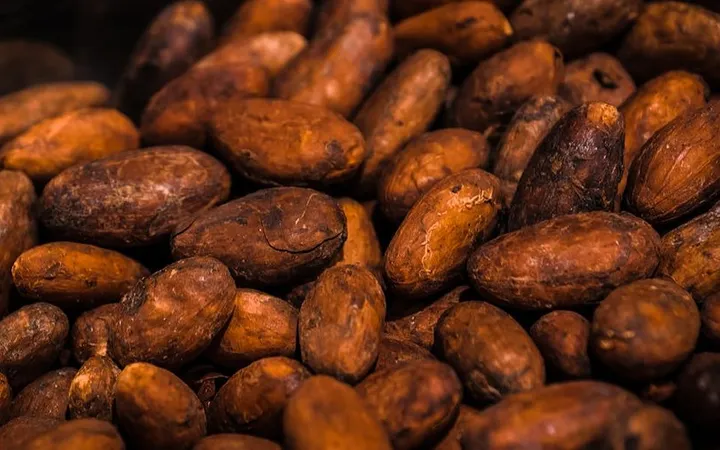
How cultivated cocoa differs from precision fermentation and cocoa-free alternatives, with dated company announcements and the limits of current evidence.
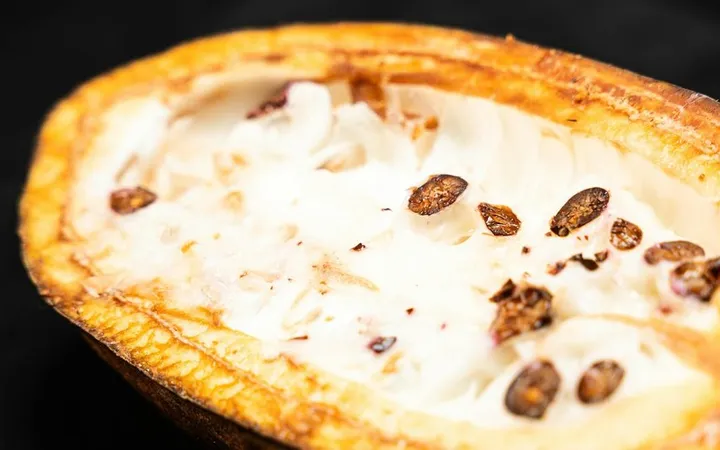
Cacao and cocoa name products from the same plant. Learn what roasting, alkalization, ingredient labels, and cacao percentage actually tell you.
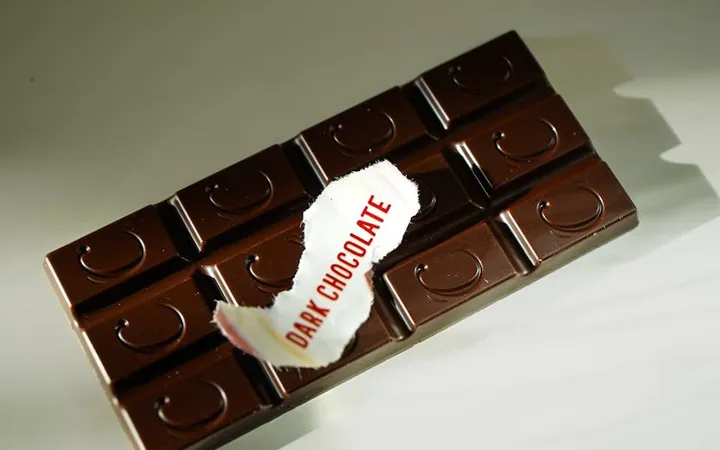
The FDA, EU, and Codex use different chocolate standards and different cocoa measurements. Compare the compositional rules, vegetable-fat provisions, and label terms.
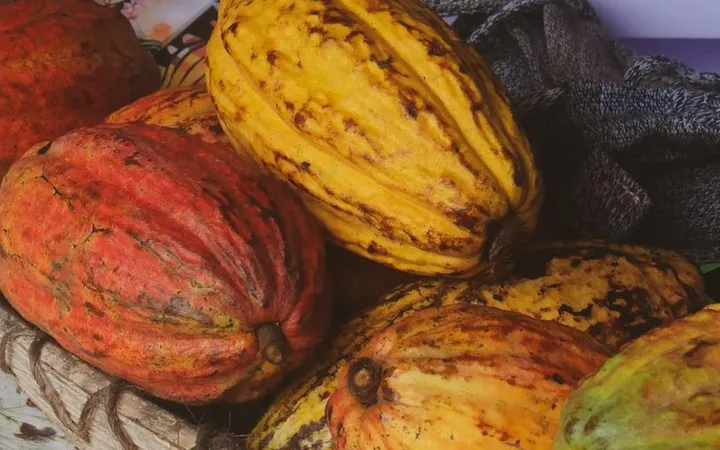
CCN-51 produces 3-5x the yield of native cacao but tastes flat and astringent. Here's the full story — genetics, fermentation, flavor, and why it now dominates 60% of Ecuador's fields.
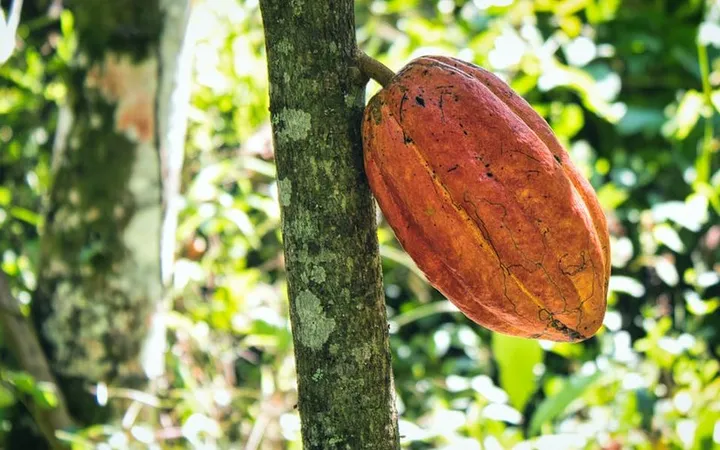
How cacao becomes chocolate's raw material: planting, shade, pollination, careful harvest, fermentation, drying, and the farm economics behind a bean lot.
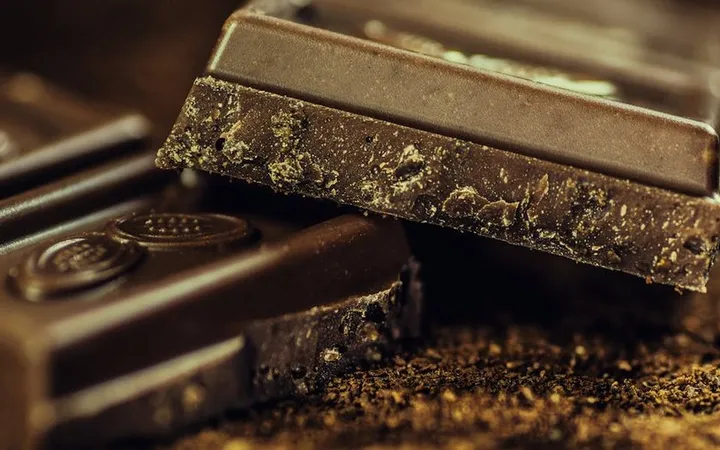
Compare natural and Dutch-process cocoa: acidity, flavor, color, baking soda and powder, recipe substitutions, and what flavanol research actually shows.
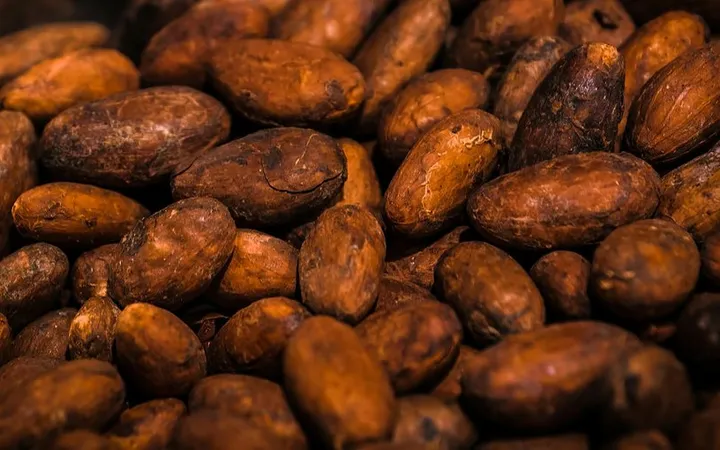
How overlapping yeast and bacterial activity changes cacao: aroma production, acid and heat, protein breakdown, and the limits of fermentation cut tests.
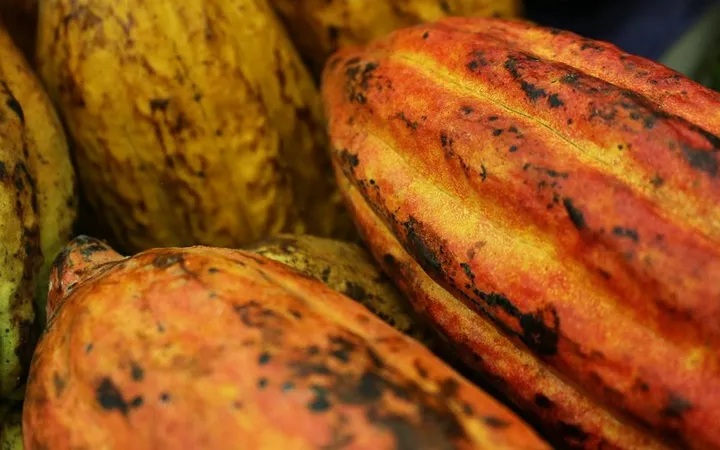
The Criollo/Forastero/Trinitario classification is scientifically obsolete. Here's what the 2008 Motamayor study actually found, why it matters for flavor, and what craft chocolate makers should know about cacao genetics.
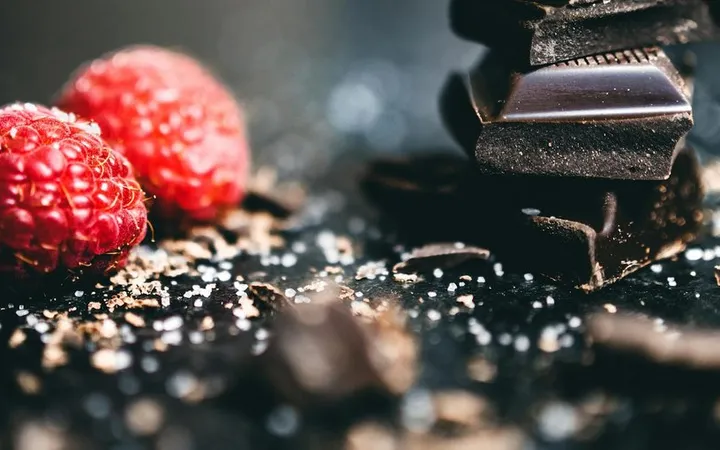
How fermentation, roasting, conching, and chocolate's structure shape aroma. Learn what aldehydes, pyrazines, floral compounds, and sensory studies actually tell us.
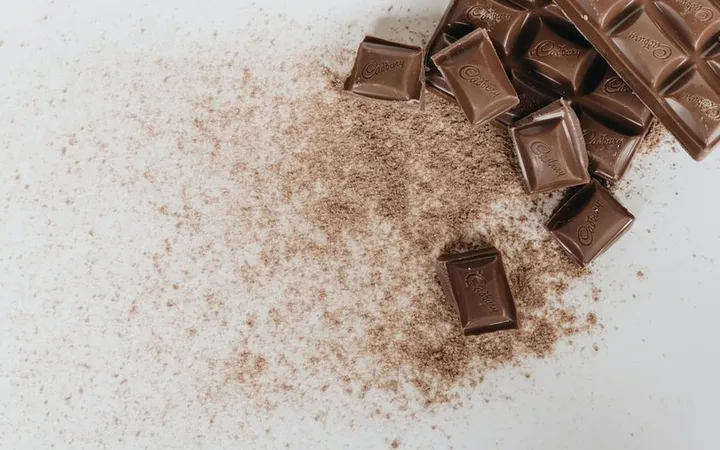
How cocoa butter composition and crystal forms affect chocolate, why tempering targets Form V, what causes fat bloom, and how cocoa butter alternatives differ.
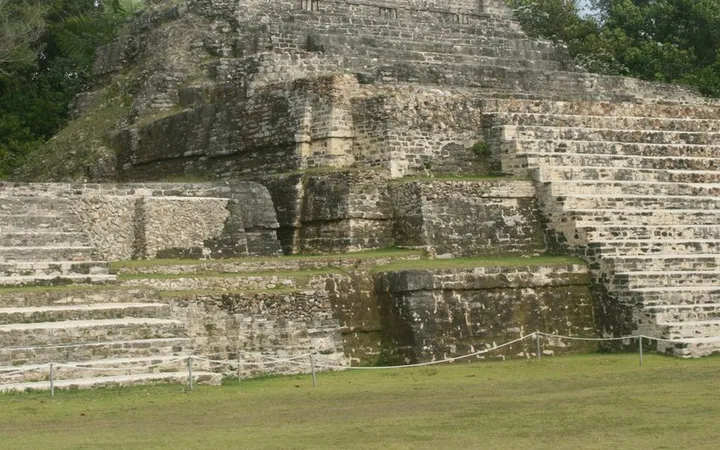
The complete arc of chocolate history — from the earliest archaeological evidence in Ecuador, through Mesoamerican ritual use, European transformation, industrial revolution, and the modern craft revival.