A bag labeled “cacao powder” and one labeled “cocoa powder” can contain very similar ingredients. They can also behave differently in a cake. The useful information is in the processing description, ingredient list, fat content, and intended use, rather than in the spelling alone.
The Same Plant, Two Common Terms
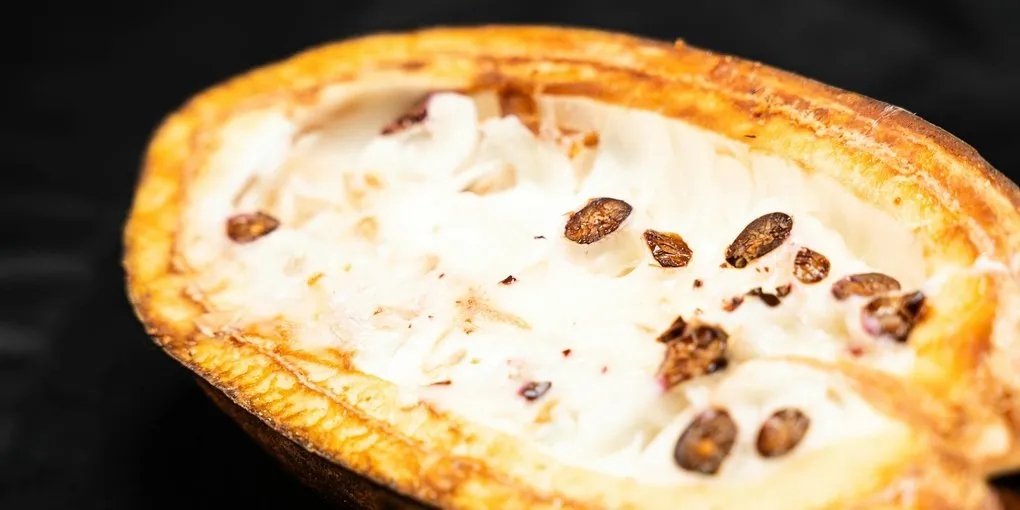
The familiar cocoa ingredients used in chocolate come from Theobroma cacao L., a tropical tree in the Malvaceae family. Linnaeus published that scientific name in 1753. Its pods hold dozens of seeds surrounded by pulp; the seeds are what we call beans. Kew’s botanical record.
“Cacao” appears in the scientific name and in many languages and commercial descriptions. “Cocoa” is common in English-language farming, trade, manufacturing, and baking. It is incorrect to say farmers never use “cocoa beans”: Ghana’s Cocoa Board uses exactly that terminology in guidance on farm harvesting, fermentation, and storage. COCOBOD’s Ghana standard implementation guide.
Some health-food and craft brands prefer “cacao,” but this is not a dependable processing code. Navitas, for example, calls its product Cacao Powder while describing it as lightly roasted and non-alkalized. At the other end of the processing spectrum, Cacao Barry’s Décor Cacao specification explicitly describes an alkalized powder. “Cacao” therefore guarantees neither unroasted nor non-alkalized. Navitas product description, Cacao Barry specification.
What the Ingredient Names Mean
The product form tells you more than the cacao/cocoa choice:
| Ingredient | What it is | What to check |
|---|---|---|
| Beans | Seeds, generally fermented and dried before chocolate manufacture | Processing history and whether supplied for further treatment |
| Nibs | Pieces of the seed’s inner kernel after the shell is removed | Roasting, ready-to-eat status, and any added ingredients |
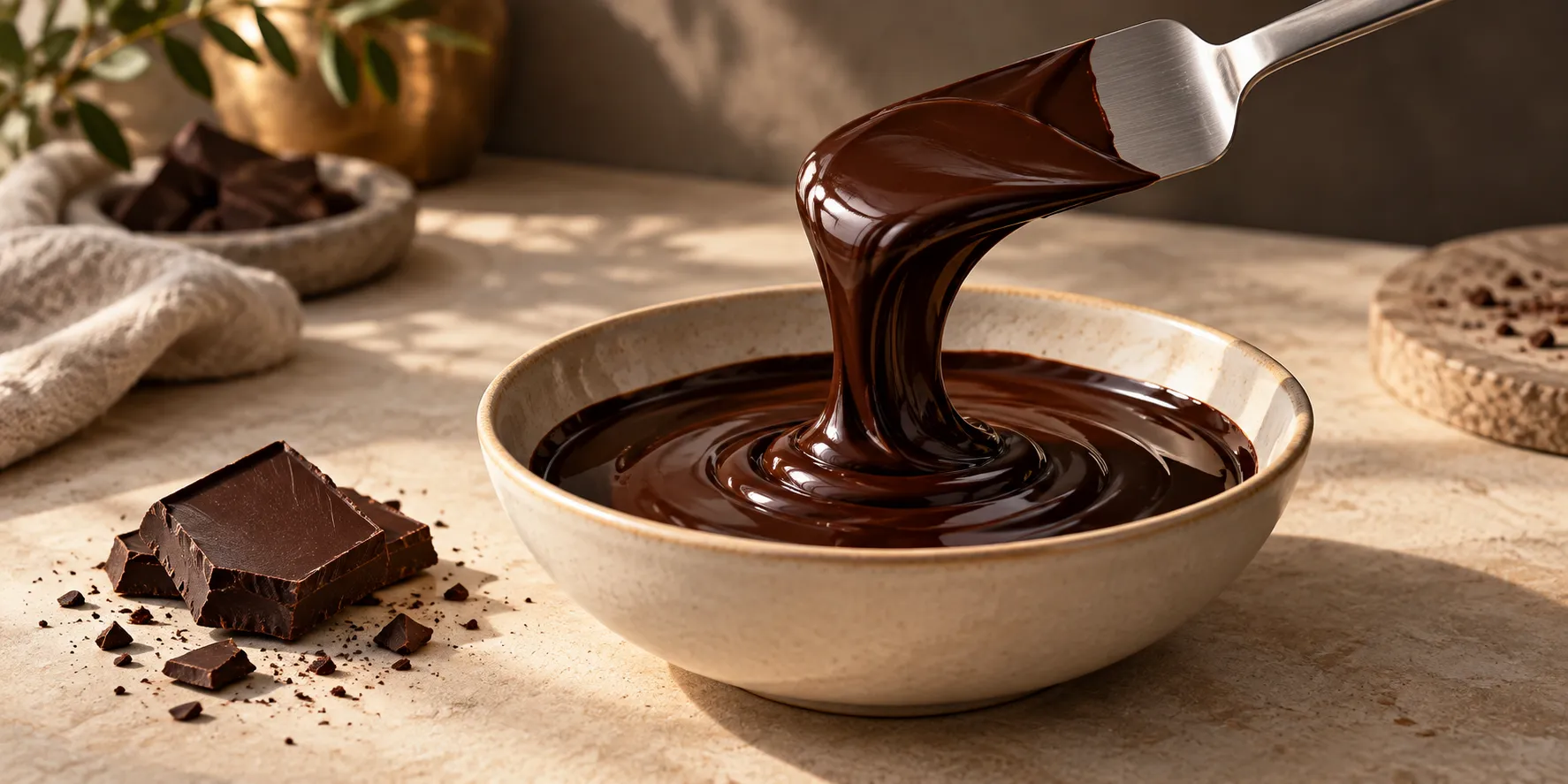
| Cocoa mass or chocolate liquor | Finely ground nibs, containing both cocoa butter and nonfat cocoa material | Unsweetened versus formulated product; any optional ingredients |
| Cocoa butter or cacao butter | Fat obtained from the beans | Food-grade intended use and deodorized versus aromatic product |
| Cocoa or cacao powder | Powder made after part of the fat is removed from the ground material | Alkalization, remaining fat, and whether sugar has been added |
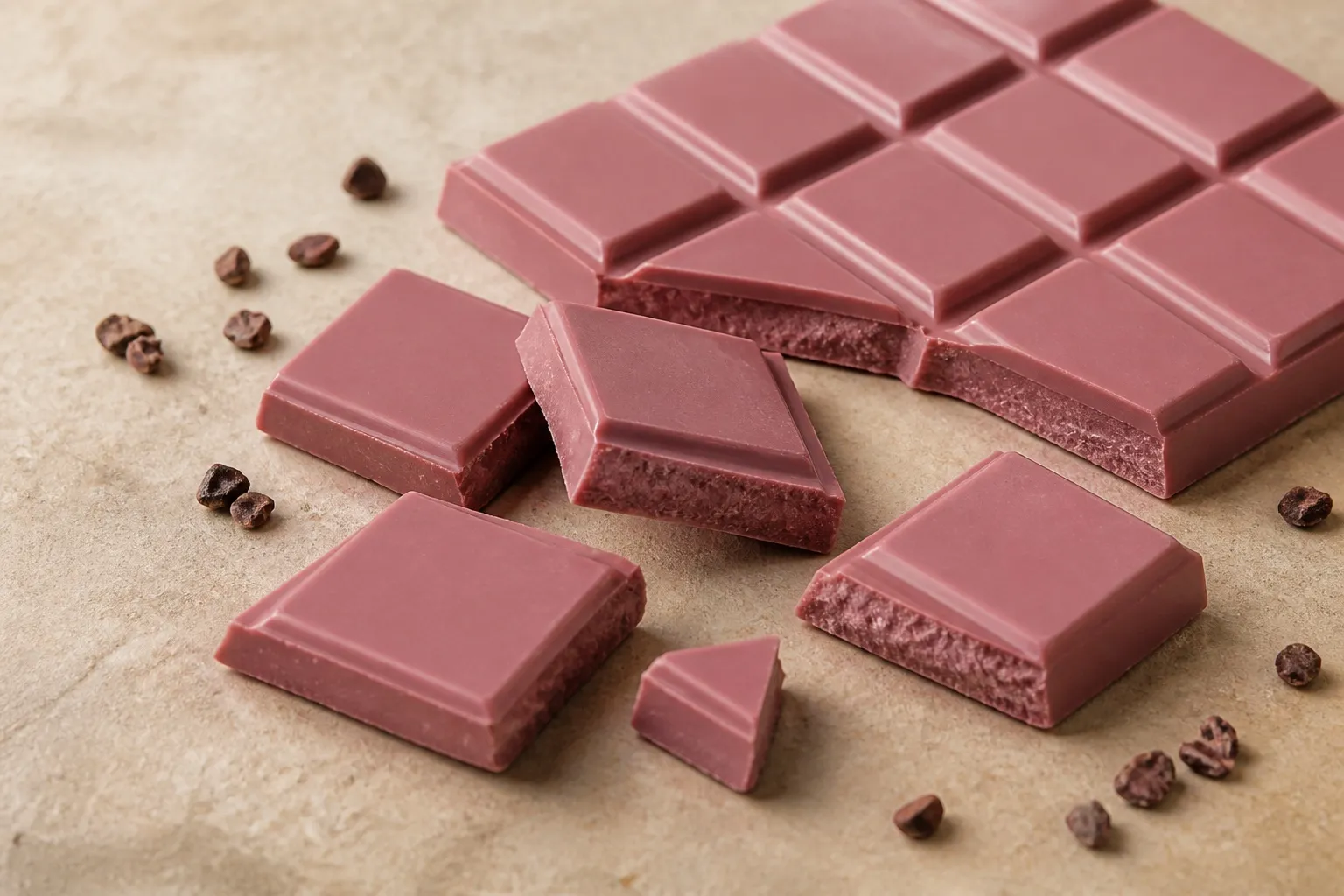
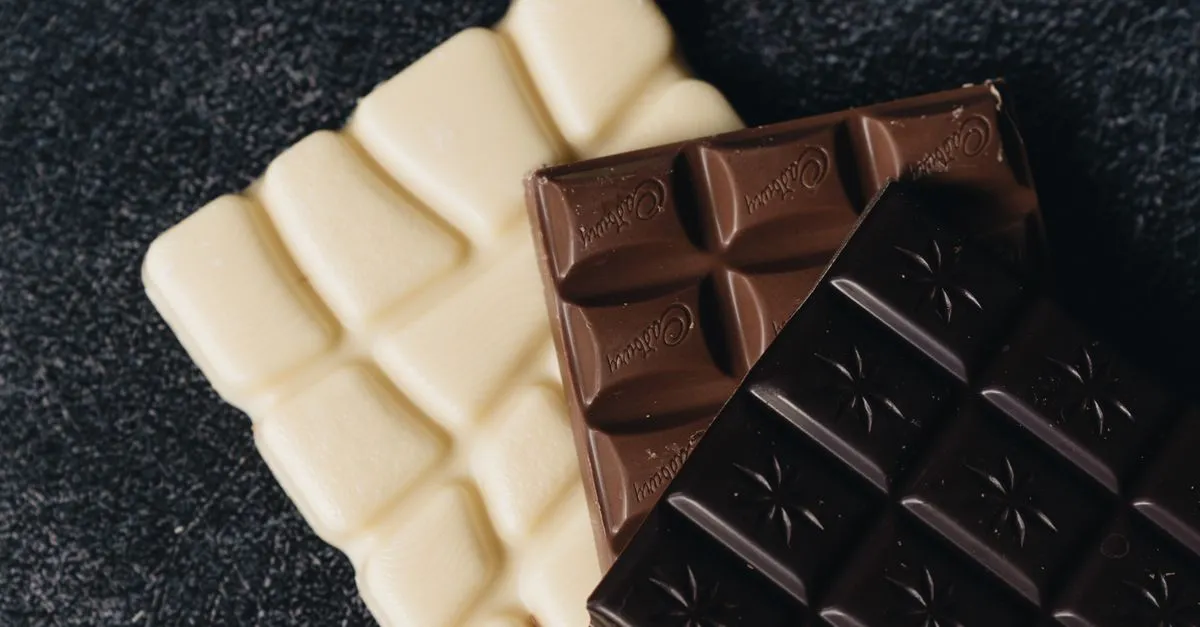
| Chocolate | A category that includes unsweetened chocolate and sweetened formulations | The specific product type and its ingredients |
There is no compulsory sequence in which a substance changes from “cacao” to “cocoa” and only then becomes “chocolate.” In US regulations, finely ground nibs can be called chocolate liquor or unsweetened chocolate. Powder and cocoa butter can also be used to formulate chocolate; whole beans or nibs are not the only possible starting ingredients. A melanger is useful for small-scale refining, but does not define the legal category. 21 CFR 163.111.
Chocolate standards differ by category and jurisdiction. In the US, semisweet and bittersweet chocolate require at least 35% chocolate liquor, calculated as specified in the standard; sweet chocolate has a 15% minimum. It is inaccurate to call 35% a universal US floor for every “dark chocolate” product. The EU’s basic chocolate category has a 35% total dry cocoa-solids minimum, including specified amounts of cocoa butter and nonfat cocoa solids. Those are different definitions and measures. US sweet-chocolate standard, EU Directive 2000/36/EC, Annex I.
Natural and Dutch-Processed Powder
Natural cocoa powder has not been alkalized. Dutch-processed cocoa has been treated with an alkali to change its acidity, color, and flavor. Both may be sold under either cacao or cocoa branding.
Powder is made by removing part of the cocoa butter from ground cocoa material and pulverizing what remains. The amount of fat left behind varies. In US standards, for example, “breakfast cocoa” or “high fat cocoa” contains at least 22% cacao fat. Natural versus Dutch-processed is a separate distinction from low versus high fat. US breakfast-cocoa standard.
Alkalization is a family of processes, not one fixed combination of chemical, temperature, and time. Potassium carbonate is one permitted treatment; the applicable US standards also permit other specified alkaline ingredients. Different treatments can produce brown, red-brown, or very dark powders. Color alone cannot identify the exact chemical used, and black cocoa should not be defined as “cocoa treated with ammonium carbonate.”
Natural powders are usually acidic. A study of commercial powders measured natural samples at pH 5.3–5.8 and classified lightly alkalized samples at pH 6.50–7.20, with higher ranges for more heavily treated powders. These are measurements and groupings from that survey, not universal boundaries for every product. Miller and colleagues, 2008.
Dutch processing often reduces sharp acidity and changes the flavor toward the profile a manufacturer wants. It does not automatically make cocoa higher or lower quality. Cargill offers natural and alkalized powders with different fat levels and sensory profiles for different applications. Manufacturer’s powder range.
For drinks, distinguish dispersing powder from dissolving it. Cocoa contains insoluble particles: a smooth-looking cocoa drink is not simply a sugar-like solution. Alkalization and other treatments can improve mixing, while lecithin-treated instant powders are designed to wet and disperse more easily. Formulated chocolate milk may also use stabilizers to keep particles suspended. Bensdorp beverage guidance, Cargill’s cocoa-milk formulation example.
The terminology “Dutch process” comes with a separate historical story; see our van Houten history article. For practical recipe comparisons, use the natural versus Dutch cocoa guide.
Substituting Powders in Baking
Match the recipe’s specified cocoa first. If a powder labeled cacao is unsweetened and non-alkalized, it is usually a reasonable substitute by weight for another natural powder, though fat content and flavor can differ.
Natural cocoa contributes acid that can react with baking soda. Baking powder carries its own acid components. But a recipe containing baking soda does not necessarily require natural cocoa: buttermilk, yogurt, vinegar, and other ingredients may supply acid. Some recipes contain both leaveners.
Switching cocoa types can change rise, spread, color, and flavor, but does not guarantee a flat cake. King Arthur’s substitution trials show that results depend on the formula. Do not automatically replace all soda with powder merely because the cocoa is Dutch-processed. Use the recipe author’s substitution guidance or a recipe developed for your powder. King Arthur’s baking trials.
For an unleavened sauce or drink, choose the taste and color you prefer. Powder fat content and thickening behavior can still matter. Sweetened hot-cocoa mix, which may contain sugar and milk ingredients, is not a one-for-one replacement for unsweetened cocoa powder.
What “Raw Cacao” Does and Does Not Tell You
Ask the producer what “raw” means for its product: unroasted, a particular maximum process temperature, or some other claim. It does not tell you the complete temperature history of fermentation, drying, milling, and pressing.
Fermentation can generate substantial heat. One Ghanaian field study reported fermenting masses rising from about 28°C to 46–48°C, roughly 115–118°F. That does not justify saying every batch passes 120°F, or that crossing one temperature settles every use of the word “raw.” Nielsen and colleagues, 2007, reported fermentation results.
More consequentially, a low-temperature or unroasted claim is not a food-safety treatment. Cocoa can carry Salmonella; fermentation, drying, and a home roast should not be assumed to provide a validated pathogen reduction. Buy products explicitly intended to be eaten as sold when sprinkling nibs on yogurt or putting powder into an uncooked drink. Follow any cooking instructions. Controlled cocoa-roasting research demonstrates why treatment effectiveness depends on the actual process and product. Yan and colleagues, 2021.
Nibs: Compare the Product, Not the Spelling
Cacao nibs and cocoa nibs name the same type of ingredient. The name alone does not establish whether they were roasted. Navitas explicitly describes its cacao nibs as briefly roasted and sells them for uses such as topping yogurt. That is a useful counterexample to “cacao means raw,” not proof about every other nib product. Navitas nib information.
Plain nibs retain their cocoa butter, making them much fattier than a pressed powder. They also contain fiber, protein, and naturally occurring theobromine and caffeine. Actual concentrations vary with the beans and processing. Two brands are not nutritionally identical merely because their products have the same name, and a less-processed batch does not automatically contain more flavanols than every more-processed batch.
Compare nutrition panels on the same weight basis and distinguish unsweetened nibs from sugar-coated products. See our nib recipes and uses for ways to use ready-to-eat nibs.
Is Cacao Healthier Than Cocoa?
The spelling does not answer that question. Alkalization tends to reduce cocoa flavanols: Miller and colleagues found lower average concentrations as alkalization increased in the commercial powders they measured. Fermentation, roasting, the starting beans, and other processing also affect composition. A specific flavanol content requires product measurements; a dark color or “cacao” label is not a measurement.
More flavanols also does not establish that an ordinary food prevents disease. In the COSMOS randomized trial, a standardized cocoa extract providing 500 mg of flavanols daily did not significantly reduce the primary outcome of total cardiovascular events over a median 3.6 years. A secondary cardiovascular-death outcome was lower. The study tested a supplement in older adults, not a switch from supermarket cocoa to a cacao-branded powder. COSMOS primary report.
The FDA’s qualified cardiovascular claim applies to specified high-flavanol cocoa powder, with language describing the evidence as very limited. It does not apply to ordinary cocoa powder or chocolate generally. FDA explanation.
For everyday buying, compare the amount you actually use, added sugar, other ingredients, and whether you enjoy the product. Choosing Dutch cocoa for a recipe is not the same as choosing a nutritionally empty ingredient.
Why Some Products Have a Warning Label
A California Proposition 65 warning concerns exposure to a listed chemical; the cacao/cocoa wording is not what triggers it. Read the warning to identify the chemical. In cocoa products, cadmium and lead are possible concerns. California explains that a warning does not mean a food should never be consumed, but that reducing the amount or frequency can reduce exposure. It should not be dismissed as proof that a product’s levels are harmless. California’s food-warning guidance.
Cadmium can enter plants from the growing environment, while contaminants can also enter the food supply during processing. FDA research on US retail cocoa products found differences related to cocoa content, product type, and reported origin. That does not establish a fixed ranking in which raw cacao is slightly higher and refined cocoa is reliably lower. FDA cadmium guidance, Abt and colleagues’ retail study.
A warning’s presence or absence is not a laboratory comparison between two bags. For a meaningful product comparison, look for relevant testing information and consider serving size and frequency. Our heavy-metals guide explains the distinction between concentration, exposure, and regulatory benchmarks.
Read Percentage Alongside the Ingredient List
On a plain chocolate bar, “70% cacao” and “70% cocoa” generally describe the proportion of cocoa ingredients, including cocoa butter, not just the brown nonfat material. Cocoa mass already contains both fat and nonfat solids; added cocoa butter and cocoa powder also contribute to the total.
For a simple two-ingredient bar, the other 30% may be sugar. That is not true for every 70% product: the remainder can include milk ingredients, nuts, sweeteners, or other additions. Percent cocoa is therefore not an exact sugar, flavor-intensity, or flavanol measurement. Two bars at 70% can have different amounts of cocoa butter, different flavor, and different sweetness.
Likewise, “100% cocoa” on unsweetened powder does not make it the same ingredient as a 100% chocolate bar. The powder has had much of its fat removed; the bar retains a different balance. Compare like product forms, then read the cacao-percentage guide and craft-label guide.
For powder, prioritize natural versus alkalized, fat content, added ingredients, and intended use. For a bar, prioritize the ingredient list, percentage, and the flavor you want. Neither shopping decision needs a rule that cacao is superior to cocoa. Our bean-to-bar introduction follows the ingredients through the full making process.
Frequently Asked Questions
- Is cacao butter the same as cocoa butter?
- The terms refer to the same type of fat obtained from cacao beans. Products can still differ in deodorization, quality, and intended use. Buy food-grade cocoa butter for cooking; a cosmetic product is not interchangeable merely because the fat has the same name.
- Can I substitute cacao powder for cocoa powder?
- Usually, when both are unsweetened and the same natural or alkalized type, though fat content and flavor can differ. Follow the recipe's cocoa specification. Do not automatically switch baking soda to baking powder: the other acids and leaveners in the formula matter too.
- Is cacao healthier than cocoa?
- Neither spelling establishes a health advantage. Alkalization tends to lower flavanol content, but the amount in a particular powder needs measurement. Flavanol content is not proof of disease prevention, and research on standardized extracts cannot be applied directly to every cocoa food.
- What does raw cacao mean?
- Check the producer's explanation. It often indicates unroasted or lower-temperature processing, but does not disclose every stage's temperature or establish food safety. Use products intended to be eaten as sold for uncooked applications, and follow any required cooking instructions.
- Why do brands use different spellings?
- Language, commercial convention, and branding all contribute. Cocoa is used in farming as well as manufacturing, while cacao can describe roasted and even alkalized products. The spelling is not a processing specification.
- Is 100% cacao the same as 100% cocoa?
- On comparable plain unsweetened chocolate bars, the phrases ordinarily describe all-cocoa ingredients. They do not make every 100% product interchangeable: 100% cocoa powder has had fat removed and differs from a chocolate bar. Check the product form and ingredient list.
- Why is there a warning on cacao powder?
- A California Proposition 65 warning identifies potential exposure to a listed chemical, sometimes cadmium or lead in cocoa products. It is not caused by choosing the word cacao. Read the specific warning; its presence or absence does not by itself establish the contaminant concentration or rank two products' safety.
- Does cocoa on the ingredient list mean natural cocoa?
- Check the whole label and the manufacturer's specification. US cocoa standards call for an accompanying processed-with-alkali statement when applicable, but labeling conventions differ by market. A short ingredient entry alone is not a worldwide guarantee of non-alkalized processing.
Some links above are affiliate links. If you purchase through them, we earn a small commission at no extra cost to you.