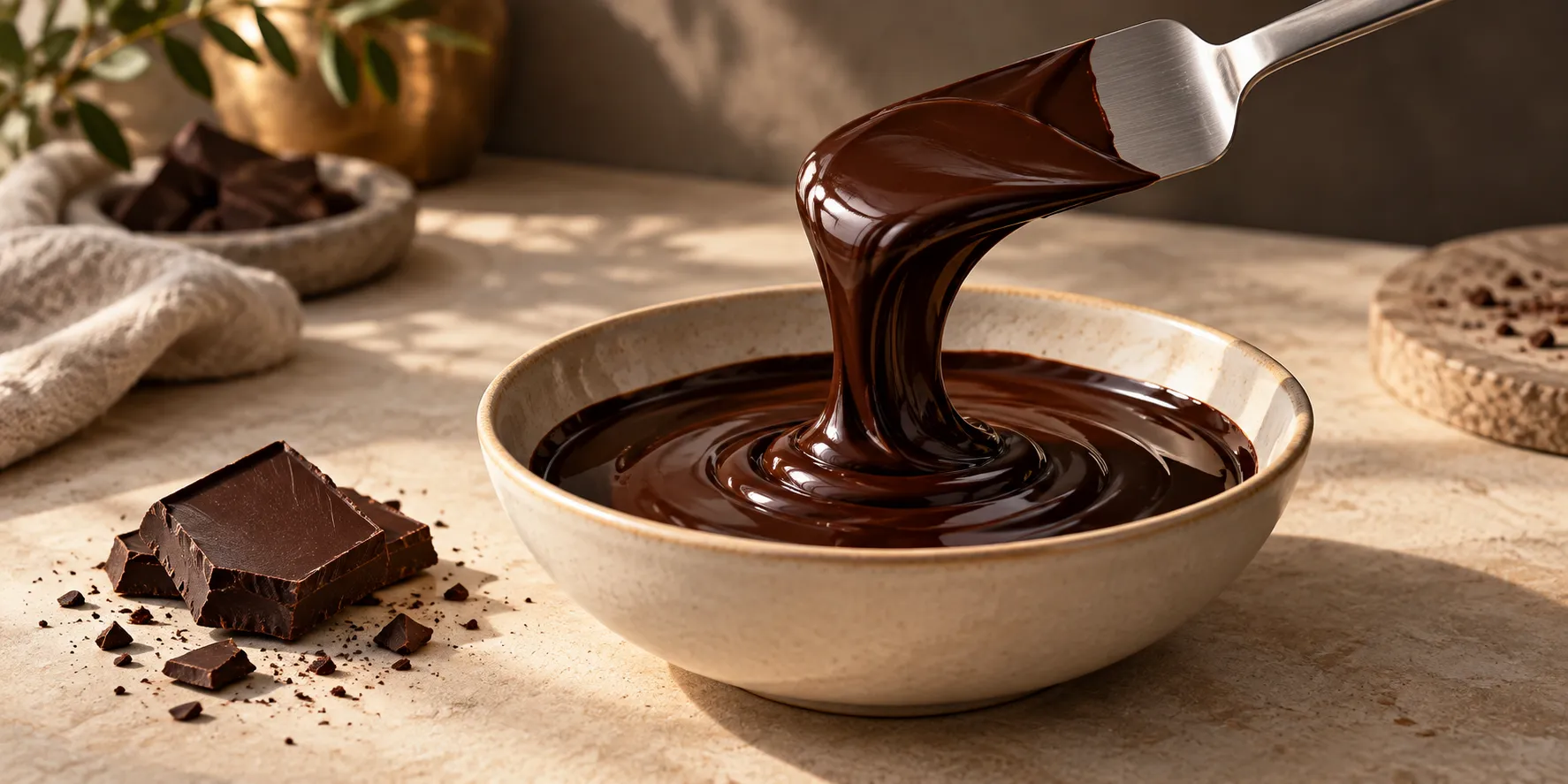
There is no single official worldwide count of chocolate types. Lists grow from three to fifteen because they mix composition families, legal names, manufacturing styles, professional grades, and physical formats as though those words answer the same question.
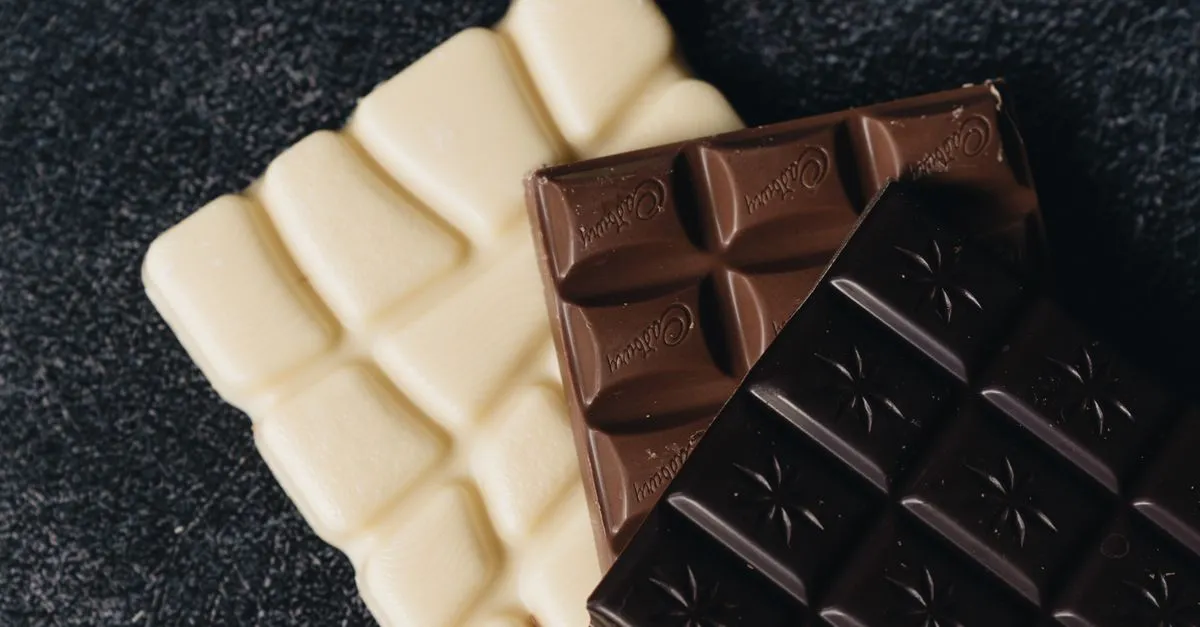
Our practical list has six entries: unsweetened, dark, milk, white, ruby, and blonde. The entries are useful for shopping, but they are not mutually exclusive: a 100% unsweetened bar can also be described as dark. Legal names and requirements depend on the market. Ruby has market-specific treatment; blonde usually refers to caramelized white chocolate or a related caramel-flavored style.
“Type” Can Mean Composition, Style, Grade, or Format
A name on a bag may describe what is inside, how it was processed, its intended application, or simply its shape.
Composition and legal identity concern cocoa-derived ingredients, sugar, milk ingredients, and other permitted ingredients. “Milk chocolate” and “white chocolate” have specific requirements in major markets; a familiar marketing word is not necessarily a separate legal identity.
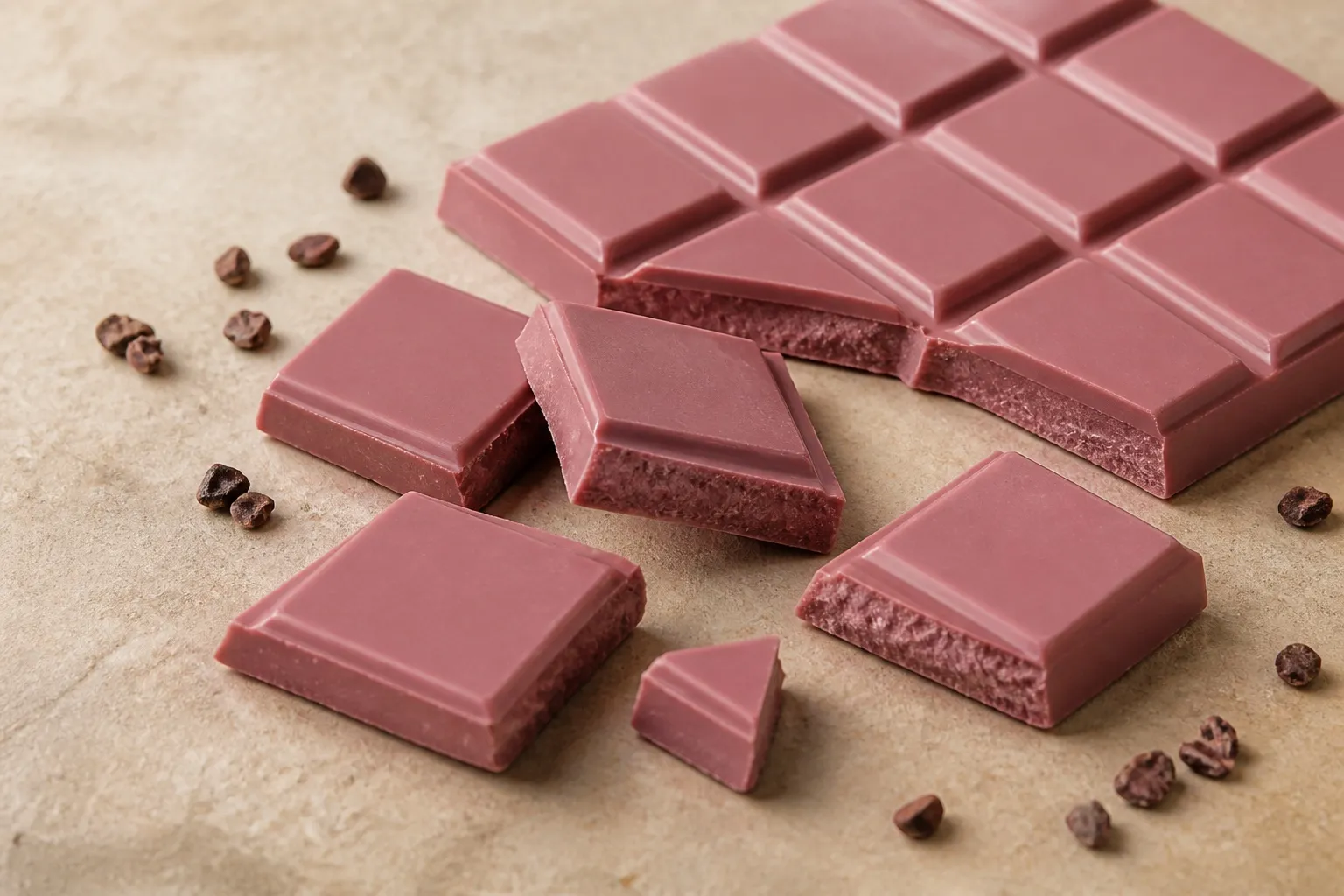
Style and process describe a product’s character. Blonde chocolate is associated with caramelized milk and biscuit notes. Ruby’s manufacturer attributes its pink color and tart profile to selected cacao material and processing, without added berry flavor or red coloring. These are product claims, not evidence of a separate botanical species of cacao.
Grade and intended use help with application. Couverture is used for coating and molding, but individual products have different fluidities. In the European Union, dark and milk couverture also have composition requirements. Compound coatings use another confectionery fat system and usually set without cocoa-butter tempering; follow their manufacturers’ directions.
Format describes shape. Chips, chunks, callets, wafers, and blocks can contain different formulas. A chip can be real chocolate or a compound confectionery piece. Its shape does not settle the question.
The Six Most Useful Chocolate Categories
Six Useful Chocolate Categories
A shopping vocabulary, not six separate worldwide legal identities
Unsweetened
- Cacao-derived chocolate with no added sugar
- Often sold as chocolate liquor, cocoa mass, or unsweetened baking chocolate
- Contributes both cocoa butter and nonfat cocoa solids
Dark
- A broad consumer umbrella, including sweetened and 100% bars
- Not a guarantee of no milk ingredients or milk cross-contact
- Cacao percentage alone does not reveal the fat-to-nonfat-solids ratio
Milk
- Includes dairy solids and milk fat
- Sweetness depends on the particular formula
- Usually has a lower tempering working range than dark chocolate
White
- Cocoa butter, milk ingredients, and sugar; no nonfat cocoa solids
- Legally chocolate when it meets the applicable standard
- Melt gently and follow the product's temperature instructions
Ruby
- Unveiled in 2017; first consumer launch followed in 2018
- Pink and tart under the manufacturer's processing claims
- US product currently covered by a temporary marketing permit
Blonde
- Usually a caramelized-white-chocolate style; recipes vary
- Dulcey was launched by Valrhona in 2012
- Not a separate universal standard of identity
Composition, ingredients, allergens, and product instructions are more useful than the category name alone. US ruby permit status checked September 25, 2026.
jayarrchocolate.comUnsweetened Chocolate
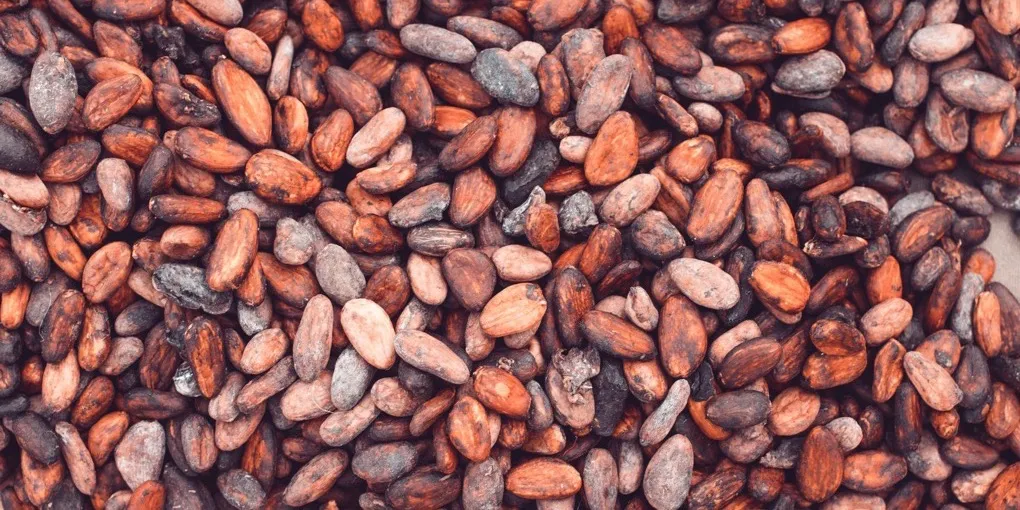
Unsweetened chocolate is made from cacao nibs ground into a paste, often sold as a solid bar or block. Chocolate liquor and cocoa mass are names for this cacao material; “liquor” does not mean an alcoholic drink. In US regulations, chocolate liquor has a 50–60% cacao-fat range and can include specified optional ingredients. Do not assume every product is literally a single-ingredient, unadjusted nib paste.
Because it supplies both cocoa butter and nonfat cocoa solids, unsweetened chocolate is useful when a baking formula supplies sugar separately. Read the ingredient list and use the type the recipe calls for: sweetened baking chips are not a direct replacement merely because they melt.
Dark Chocolate
Dark chocolate is a useful consumer umbrella rather than a harmonized legal name. The EU’s basic “chocolate” category has cocoa-solids requirements; the United States defines “sweet chocolate” and “semisweet or bittersweet chocolate” using its own composition and calculation rules.
The category can span a mild sweet bar, a 70% craft bar, and a 100% unsweetened bar. They differ in sugar, added cocoa butter, particle size, processing, and cacao origin. The cacao percentage guide explains why two 70% bars can have different intensity and flow.
Dark does not mean dairy-free. A formula may contain milk ingredients, and milk cross-contact is possible even when milk is not an intended ingredient. For a milk allergy, do not use the word “dark” as a safety test: check the current package and follow appropriate allergen guidance. The FDA specifically discusses milk in dark chocolate.
Milk Chocolate
Milk chocolate contains dairy solids and milk fat alongside cocoa-derived ingredients and sugar. Milk fat changes the fat phase and tends to soften the set. Many milk chocolates taste sweeter than dark bars, but category names do not rank every product: a high-cacao milk chocolate may contain less sugar than a sweet dark chocolate.
The milk ingredients and manufacturing method also affect flavor. Milk powder and milk-crumb routes are different ways to build a formula; they are not a reliable country-by-country division into “cooked” and “clean” tastes. The history of milk chocolate provides further background.
White Chocolate
White chocolate contains cocoa butter but no nonfat cocoa solids. It therefore has cacao-derived fat without the brown cocoa particles found in dark and milk chocolate. Calling it chocolate is legally valid when it meets the applicable standard.
Use gentle, controlled heat and the maker’s instructions. For example, Callebaut’s W2 white-chocolate tabling guide specifies a 45°C melt; that is a product-specific instruction, not a universal burning threshold or a promise that every white chocolate needs 45–50°C. Temperature, time, stirring, and local hot spots all matter. The white chocolate from scratch guide covers formulation and processing.
Ruby Chocolate
Barry Callebaut unveiled ruby chocolate in September 2017. Its first consumer launch, in KitKat products, followed in January 2018. The manufacturer attributes the color and tart, berry-like profile to cacao selection and processing, rather than added berry flavor or red coloring.
As checked on September 25, 2026, the FDA’s active temporary-marketing-permit inventory lists Barry Callebaut’s ruby chocolate. That permit authorizes specified market testing of a product that differs from an existing standard. It is not a permanent, generally applicable US ruby-chocolate standard of identity.
Blonde Chocolate
Blonde usually means a caramelized-white-chocolate style with toasted-milk, biscuit, or caramel notes. Valrhona launched Dulcey in 2012 and describes its origin as an accidental heating of white chocolate followed by years of product development. That history does not mean every commercial blonde product is made by reheating a finished white bar in the same way.
The product’s ingredients and applicable rules determine its legal name. There is no separate universal blonde-chocolate identity. The caramelized blonde chocolate guide explores the style in more detail.
What United States and European Rules Actually Require
Chocolate standards contain minimums, maximums, ingredient restrictions, calculation methods, and labeling rules. Clearing one headline minimum does not establish full compliance or sensory quality. EU cocoa-solids percentages and US regulatory chocolate-liquor percentages are not interchangeable measurements.
Selected Chocolate Standards: EU vs. US
| Name | 01European Union (Directive 2000/36/EC) | 02United States (21 CFR Part 163) |
|---|---|---|
| Dark-family baseline | Chocolate: ≥35% total dry cocoa solids, including ≥18% cocoa butter and ≥14% dry nonfat cocoa solids | Sweet chocolate: ≥15% chocolate liquor; semisweet/bittersweet: ≥35%, using the regulatory calculation |
| Milk chocolate | ≥25% total dry cocoa solids, ≥14% milk solids, ≥2.5% dry nonfat cocoa solids, ≥3.5% milk fat, and ≥25% total fat | ≥10% chocolate liquor by the regulatory calculation, ≥12% total milk solids, and ≥3.39% milk fat |
| White chocolate | ≥20% cocoa butter, ≥14% milk solids, and ≥3.5% milk fat | ≥20% cocoa butter, ≥14% total milk solids, ≥3.5% milk fat, and ≤55% nutritive carbohydrate sweetener |
| Dark couverture | ≥35% total dry cocoa solids, including ≥31% cocoa butter and ≥2.5% dry nonfat cocoa solids | No separate federal couverture identity; the applicable chocolate standard still matters |
| Other vegetable fats | Specified fats may be added within the 5% allowance and its calculation/labeling rules; cocoa minimums cannot be reduced | Not optional cocoa-butter replacements in standard sweet, milk, or white chocolate; Part 163 separately names vegetable-fat coatings |
Selected requirements only. Consult the complete rules for permitted ingredients, product variants, definitions, calculations, and labels. The US liquor figures are defined by the regulations, not simply the weight of any commercial liquor poured into a recipe.
jayarrchocolate.comThe primary texts are EU Directive 2000/36/EC and 21 CFR Part 163.
In the United States, semisweet and bittersweet are regulated names, both meeting the same 35% chocolate-liquor minimum under section 163.123’s calculation. That rule does not establish a separate sugar threshold distinguishing them. Compare the actual ingredients and sugar information rather than expecting a fixed sweetness difference.
The EU’s 5% allowance is also easy to misread. It permits specified additional vegetable fats under particular conditions; it does not permit removing cocoa butter until a product falls below its required cocoa-butter or cocoa-solids minimum. For further context, use the chocolate regulations guide.
Couverture, Compound, Chips, and Cocoa Powder
These names answer different questions. None needs to become a seventh entry in our shopping list, but several have legal meanings of their own.
Couverture is used for enrobing, dipping, and molding. More cocoa butter can improve flow, but couverture products still come in different fluidities for different jobs. EU dark couverture has the composition shown above; EU milk couverture requires at least 31% total fat, including cocoa butter and milk fat. That is not a 31% cocoa-butter requirement. “White couverture” is also used commercially, but the directive does not create a separate white-couverture category. Choose the manufacturer’s fluidity grade and application guidance, not just the word couverture.
Compound coating uses a different confectionery fat system, often palm-kernel-based. Its setting and compatibility depend on the fat. It usually needs no cocoa-butter tempering, but mixing it with real chocolate may impair the result. The practical distinction is covered in couverture versus compound chocolate.
Chocolate chips are a format. Some are real chocolate with relatively low fluidity; some confectionery chips are compound. Read the ingredients and consult the chocolate-chip melting guide.
Cocoa powder is made by pressing much of the cocoa butter from cocoa mass and milling the remaining cake. It normally retains some cocoa butter; the amount varies by product. Natural and alkalized powders differ in processing, flavor, color, and baking behavior. Powder-based drinks and drinks made from bars can both be rich: the complete recipe matters. “Hot cocoa,” “hot chocolate,” and “drinking chocolate” are not a universal powder-versus-bar classification. Our hot chocolate guide explains a bar-based approach.
Gianduja, praline, and flavored bars add another layer of description. Hazelnut paste, fillings, and other inclusions change a product’s composition. These are not all legally undefined labels: the EU directive expressly describes gianduja nut chocolate and chocolate/praline bite-sized products. The exact meaning of a familiar confectionery word can still differ between markets.
Composition Predicts Behavior—But Not by Itself
The whole fat-and-particle system controls performance. No single wrapper number tells the whole story.
- More cocoa butter often improves flow, while particle characteristics, emulsifiers, and the rest of the formula also matter.
- Milk fat affects crystallization and the set. Milk and white chocolates commonly have lower working temperatures than dark, but use the curve for the actual product and method.
- Heat gently. A product’s controlled melting instruction is not a universal scorch temperature.
- Cacao percentage does not equal fluidity. A 70% two-ingredient bar can be thicker than a lower-percentage couverture with added cocoa butter.
- A chip’s shape does not prove it is heat-proof. It may soften and lose temper while retaining its outline in a cookie.
Treat the formulator as a way to explore estimated ingredient balances, not as a laboratory analysis or a legal-label compliance check. Actual ingredient specifications and the applicable rules control those decisions.
Key Takeaways
- There is no universal official count of chocolate types. Our six categories overlap and serve as shopping vocabulary.
- Dark chocolate is not automatically dairy-free. Check ingredients and allergen information.
- US semisweet and bittersweet share a regulated minimum, but no separate federal sweetness threshold distinguishes them.
- Couverture is an application grade with market-specific composition rules. Check the particular product’s fluidity and tempering instructions.
- Chips describe shape; cocoa powder still contains fat. Neither label fully predicts recipe behavior.
- Compound coating uses a different fat system. Do not assume it is interchangeable with cocoa-butter chocolate.
Frequently Asked Questions
- How many types of chocolate are there?
- There is no single worldwide official number. Six useful shopping categories are unsweetened, dark, milk, white, ruby, and blonde. They overlap and are not six equivalent legal standards. Longer lists often add grades, shapes, ingredients, and confections such as couverture, chips, cocoa powder, and gianduja.
- What are the seven types of chocolate?
- Lists of seven are editorial choices. They often add couverture or semisweet to a six-category list. Couverture describes an application grade with market-specific requirements; semisweet is a regulated US name. Explaining those distinctions is more useful than treating the count as official.
- Is white chocolate really chocolate?
- Yes, when it meets the applicable standard. Both the United States and European Union require at least 20% cocoa butter and 14% milk solids, alongside additional requirements. White chocolate contains cacao-derived cocoa butter but no nonfat cocoa solids.
- What is the difference between dark, semisweet, and bittersweet chocolate?
- Dark is a broad consumer term. US semisweet and bittersweet must both meet a 35% chocolate-liquor minimum using the regulatory calculation. Federal rules do not set a separate sugar threshold between those names. Compare actual composition and sweetness, and do not assume dark means dairy-free.
- Is couverture a type of chocolate?
- It is a professional coating and molding grade, available in different fluidities. EU dark couverture requires at least 35% total dry cocoa solids, including 31% cocoa butter and 2.5% dry nonfat cocoa solids. EU milk couverture has a 31% total-fat requirement. White couverture is a commercial description; the United States has no separate federal couverture standard.
- Is ruby chocolate an official type?
- It is a recognized commercial style, not a universal permanent legal category. Barry Callebaut unveiled it in 2017 and the first consumer launch followed in 2018. As checked September 25, 2026, the FDA lists Barry Callebaut's ruby chocolate under an active temporary marketing permit.
- Can I use chocolate chips instead of baking chocolate?
- It depends on the recipe and the chips. They may be real chocolate or compound confectionery pieces, and their fluidity varies. Real chocolate chips can work in many recipes, but a recipe calling for unsweetened chocolate needs a different sugar balance. For thin coatings, use a suitable product and its handling instructions.