Good sourcing starts with a clear purchase specification. A bag of raw beans, a bag of roasted nibs and a bag of brewing cacao are different starting materials. A compelling origin story does not tell you which one will arrive, how it was processed or whether it fits your first batch.
This guide covers suppliers serving home and small-scale makers, the information to request, and a practical way to evaluate a new lot. Supplier pages were checked on September 26, 2026; prices, stock and shipping options can change.
Where to Buy
| Supplier | What the current buying information establishes | What to check before ordering |
|---|---|---|
| Chocolate Alchemy | Retail cacao with distinct raw whole-bean, roasted and nib options; individual origins have processing and tasting information. | Select the right product variant. Brewing cacao is a separate category, not a substitute chosen solely by origin name. |
| Meridian Cacao | Its domestic ordering guide offers 1 kg and 5 kg increments online for trials, with larger orders arranged through its sales team. | Confirm the harvest lot, available quantity, shipping destination and current price. |
| Uncommon Cacao | It distinguishes samples, available up to 15 kg, from wholesale sacks generally weighing 50–70 kg. | A sample listing does not establish that enough of the same lot remains for a bulk order. Ask before committing to production. |
Chocolate Alchemy also has a separate wholesale evaluation-sample program: its page specifies 1–5 lb of raw whole beans, priced at $8 per pound plus shipping. Those program terms are not the retail price of every bean or nib product.
Dandelion’s wholesale page lists roasted nibs and chocolate ingredients. That makes it a possible source for a different starting point, but does not establish a current small-quantity raw-bean offer. Cacao Prieto’s current raw-bean purchasing route could not be verified for this update, so it is not included among the confirmed options above.
These are sourcing routes, not a ranking based on hands-on comparative testing.
Choose a Lot, Not Just a Country
Ask for the producer or cooperative, harvest or lot identifier, processing description and any available quality assessment. The next shipment from the same country—or even the same producer—may differ. That variation is a reason to sample again, not automatic evidence that the supplier is unreliable.
“Fine flavour” and “commodity” are market descriptions, not a complete sensory or food-safety assessment of the beans in your bag. Do not reject an affordable lot merely because it lacks a rare-variety story. Conversely, a premium price cannot redeem mustiness, chemical contamination or other serious defects.
For sourcing claims, read what is actually documented. Uncommon’s Transparent Trade page links annual reports, including its 2025 report. Check the reporting year, partner and price basis: farmgate payments, exporter prices, supplier revenue and farmer net income are different measures. A higher retail price alone does not show how much reached a farmer.
Assess the Beans You Receive
Fermentation and the cut test
Fermentation changes flavor precursors and contributes aromas, but poorly fermented beans do not literally contain zero usable precursors. Roasting can develop flavor; it is not a universal repair for deficient or spoiled raw material.
A cut test reveals internal color and visible defects. It does not prove how the finished chocolate will taste. The Cacao of Excellence assessment guide specifies a randomly selected 300-bean sample for its formal procedure, examined in sets of 50. Cutting a few beans can reveal an obvious problem, but is not equivalent to that assessment.
Record the categories rather than applying a universal “75% brown means good” rule. Pigmentation varies, and pale beans do not automatically indicate a failure to ferment. Brown color is not a pathogen test. Use suitable cutting equipment and hand protection; ask the supplier for its assessment if you cannot perform the test safely.
Industry quality guidance recommends evaluating processed flavor as well as physical quality. Agree acceptance criteria with the seller before ordering. If you find mold, wet beans or a strong chemical odor, isolate the lot and contact the supplier; do not assume sorting out a few beans or extending the roast makes the rest suitable.
Moisture, aroma and condition
The ICCO drying guidance describes reducing moisture to around 7.5%. Treat that as an orientation, not a universal pass/fail switch. Ask for the lot’s measured moisture, test method and buyer specification. A number within the specification does not prove safety or predict storage life under every condition.
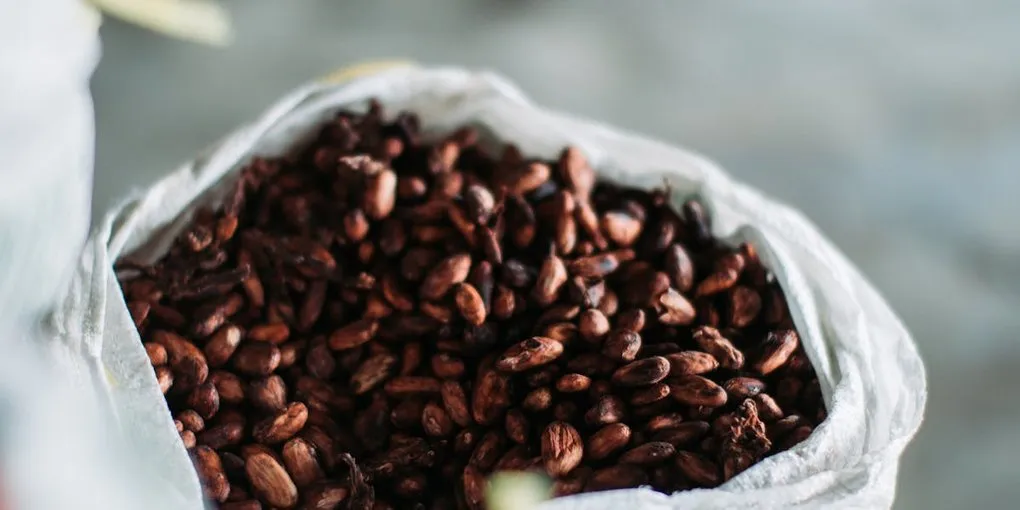
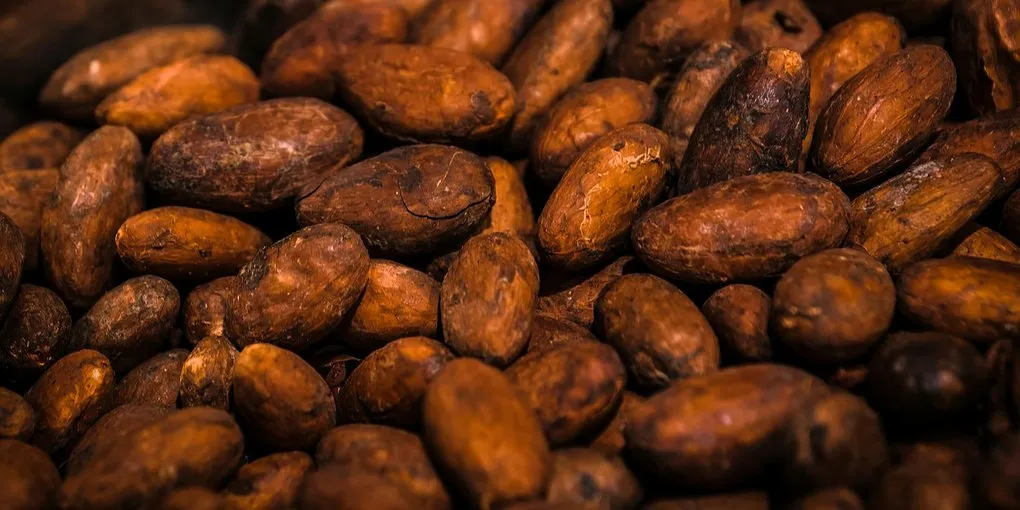
Inspect packaging, insects, broken beans, foreign material and signs of rewetting. Notice mustiness, smoke or chemical taint, and distinguish these from the acidity or fruit character you may encounter in fermented cacao. A sour impression alone does not identify its cause. Keep lot records and photographs so that any supplier discussion refers to the beans actually delivered.
Processing status and safety
Raw fermented and dried beans still require appropriate processing. A flavor roast is not automatically a validated pathogen-reduction treatment. Research on cocoa roasting found treatment-dependent Salmonella inactivation; it does not supply one universal home-roasting schedule.
Ask whether the material is raw or treated and what the seller claims about its intended use. If you are selling chocolate, your supplier documentation and food-safety process need to cover that use. A pleasing aroma or clean cut test cannot replace them.
Compare Delivered Costs
On the check date, Chocolate Alchemy advertised raw whole Zorzal 2026 beans starting at $12.09 per pound. Uncommon’s Maya Mountain 2026 sample page displayed $24 for 1 kg. These are dated listing examples, not guaranteed current stock, landed prices or a quality threshold.
Compare the same form and quantity. Whole beans lose shell and some moisture during processing; nib prices already reflect a different usable ingredient. Include shipping, taxes and expected losses when comparing suppliers. A futures quotation for bulk cocoa is not the delivered cost of a small retail sample, and an old commodity price range is not a useful shopping benchmark.
Buy Enough for the Trial You Plan
Start with your melanger’s supported minimum and maximum batch sizes, not a generic “Premier” or “Spectra” capacity. Then work backward through refining, winnowing and roasting losses.
For example, a 1 kg two-ingredient batch at 70% cacao starts with 700 g of usable nibs and 300 g of sugar, before processing losses. You need more than 700 g of whole beans to obtain those nibs. This is composition arithmetic, not a complete recipe or proof that a particular machine can process the batch.
Three separate 1 kg whole-bean roast trials require 3 kg of beans before sampling losses. A 2 lb purchase is only about 907 g. It cannot supply that plan. If a supplier’s smallest bag is too small for your equipment, change the trial size or order quantity before buying.
A useful evaluation sequence is:
- Check the lot on arrival. Confirm the format and lot identity, inspect condition and compare it with the agreed specification.
- Plan a manageable roast comparison. Record equipment, bean mass and actual time/temperature conditions. Change one important variable at a time; a first-pop sound or a fixed two-minute adjustment is not a universal endpoint.
- Make comparable chocolate. Hold the formula and processing approach consistent enough to understand the difference. A simple formula reduces variables, but no cacao percentage guarantees that every origin will perform best.
- Taste without seeing the labels. Record both appealing characteristics and defects, then compare with a reference you know. Do not force the result into a predetermined flavor description.
- Retaste stored samples. Record the elapsed time and storage conditions. Flavor can change; there is no guarantee that waiting two or four weeks improves every bar.
- Scale the successful trial. Confirm that the larger order is the same lot, then check again when it arrives.
There is no verified universal number of trial batches that fully characterizes an origin. Stop when you have enough evidence for the purchase decision you are making.
Quantity and Storage
Order an amount you can use and store well. The number of finished batches depends on your formula, machine capacity and actual nib yield; 5–10 lb of beans does not automatically equal several full 4 kg batches.
Follow the supplier’s storage guidance for the particular product and packaging. Keep properly dried beans protected from pests, moisture and strong odors in a clean, stable environment. Packaging must suit the conditions; sealing damp beans does not correct excess moisture. Avoid exposing cold beans to humid air, which can cause condensation.
No single 6–12 month promise applies to every harvest, package and climate. Record the receipt date and inspect the lot over time. Ask about recommended storage and handling before placing an order larger than your immediate needs.
For the next stages, see our beginner’s guide to bean-to-bar chocolate and cacao roasting guide.
Evaluate a New Cacao Lot
- 01
1. Plan Quantity
Work back from batch sizeAllow for sampling, shell and processing losses.
- 02
2. Check the Lot
Identity and conditionUse supplier specifications; a cut test alone cannot prove flavor or safety.
- 03
3. Compare Roasts
Record equipment and conditionsChange one variable at a time within an appropriate processing plan.
- 04
4. Make Chocolate
Keep the formula comparableRespect the minimum and maximum load of your specific machine.
- 05
5. Taste and Retaste
Blind labels; record storageCompare qualities and defects without assuming age always improves flavor.
- 06
6. Confirm Supply
Check the same lot is availableA successful sample does not reserve the remaining stock.
Frequently Asked Questions
- Where can I buy cacao beans for making chocolate at home?
- Chocolate Alchemy, Meridian Cacao and Uncommon Cacao offer small-scale buying routes. Confirm whether the specific listing supplies raw whole beans, roasted beans or nibs, and check its lot, quantity and shipping terms.
- How do I know if cacao beans are good quality?
- Combine lot documentation, moisture and physical assessment with evaluation of appropriately processed flavor. A few brown cut beans do not prove flavor quality or safety. Investigate wet, moldy, chemically tainted or otherwise defective deliveries with the supplier.
- How much do cacao beans cost?
- Compare current delivered quotes for the same format and quantity. September 2026 listing examples included raw Zorzal beans starting at $12.09 per pound and a Maya Mountain sample at $24 per kilogram. Shipping, stock and prices can change; price alone does not establish quality.
- How much cacao should I buy for my first batch?
- Calculate from your machine's supported batch size and allow for shell and other losses. A 1 kg two-ingredient 70% batch starts with 700 g of usable nibs and 300 g sugar before losses. A 2 lb bag, about 907 g, cannot supply three separate 1 kg bean roast trials.
- How should I store cacao beans?
- Follow the supplier's guidance for the product and packaging. Protect properly dried beans from pests, moisture and odors in stable conditions. Avoid condensation and do not seal damp beans as a remedy. Storage life depends on the lot and conditions rather than a universal expiry interval.
- Does fine-flavour cacao guarantee better chocolate?
- No. The designation does not replace lot-level assessment. Genetics, fermentation, drying, storage and your processing all matter; an expensive origin name cannot rule out defects.
- How do I evaluate a new cacao origin?
- Test the specific lot: inspect it, compare documented roast trials, use a consistent formula, taste blind and retaste stored samples. Confirm that a larger order comes from the same lot. There is no fixed number of trials that guarantees a complete evaluation.