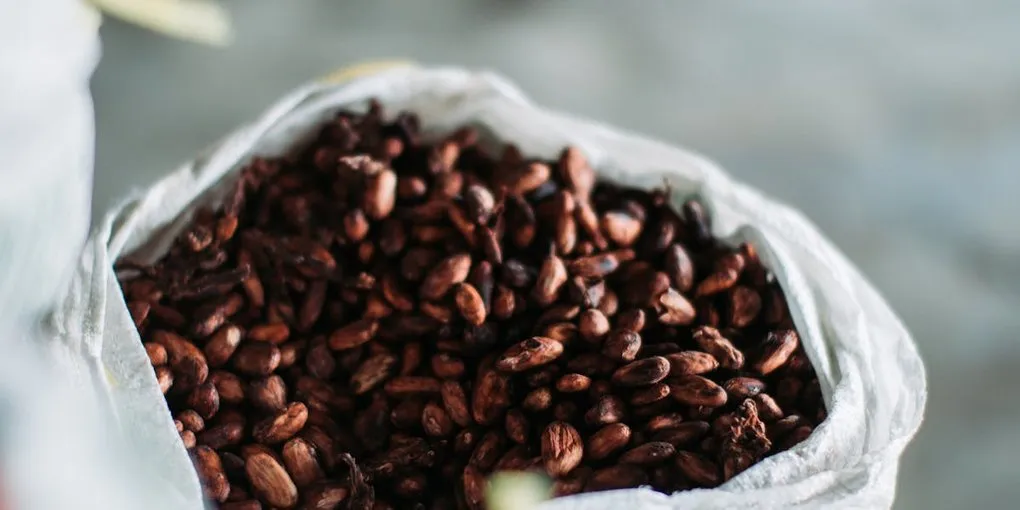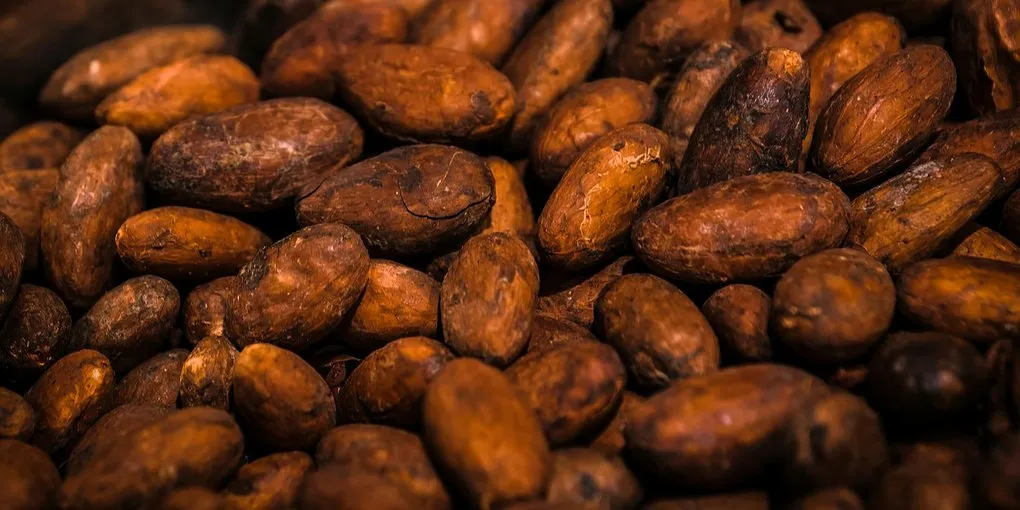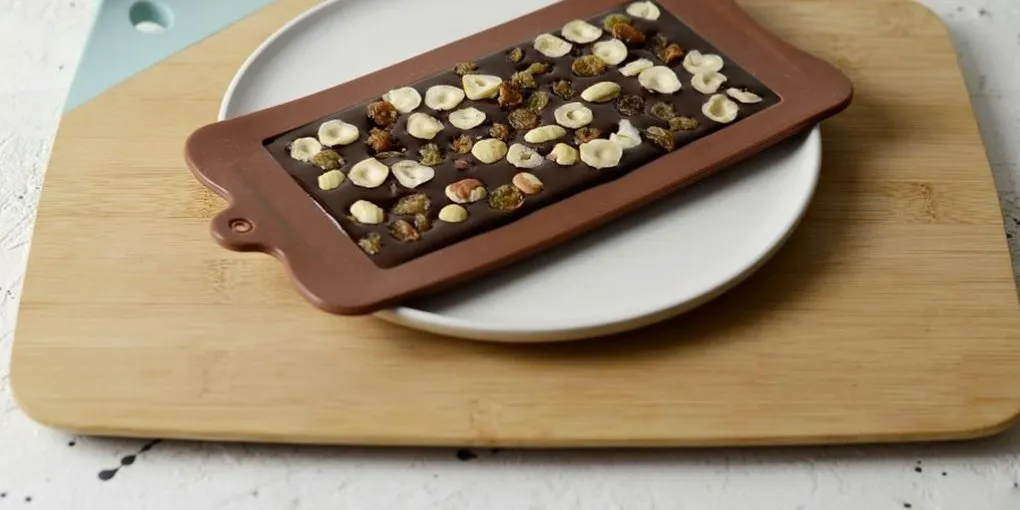
Every beginner who reads about bean-to-bar chocolate eventually asks the same question: do I really need to spend $250 on a special machine, or can I just use my Vitamix? It is a fair question. A high-end blender turns frozen bananas into ice cream and pulverizes ice into snow. Surely it can grind a few cocoa nibs.
It cannot. Not even close. The texture barrier between “ground” and “smooth chocolate” sits at roughly 30 microns — about a third the width of a human hair — and no kitchen appliance ever built can cross it. The reason has nothing to do with motor power or blade sharpness. It is a basic problem of physics, and once you understand it, the existence of the melanger as a category of equipment makes perfect sense.
This is the question almost no one writes about clearly: why kitchen tools fail, what they actually achieve, and what a melanger does that nothing else can.
Humans Detect Grittiness at About 30 Microns — Kitchen Tools Can’t Get Below 100
The threshold for what we perceive as “smooth” chocolate is well-established. The grittiness threshold sits at roughly 30 microns, with humans able to detect particles between 20 and 35 microns depending on individual sensitivity. Below that, the tongue cannot resolve individual particles and the chocolate feels continuous on the palate. Above it, you notice the sand.
The optimal target for craft chocolate is tighter still: 10 to 20 microns, with industrial makers aiming for an 18 to 25 micron D90 (meaning 90% of particles fall below that size). Tight particle size distribution matters more than mean size — a chocolate with a mean particle size of 20 microns but a long tail of 50-micron stragglers will taste grittier than one with a mean of 25 microns but everything tucked into a tight band. (The measurement side of this — how you actually check where your chocolate has landed — is covered in the grindometer particle size guide, where the interactive wedge lets you feel the threshold these machines exist to cross.)
Kitchen tools cannot get there. A Vitamix, food processor, or coffee grinder will reduce nibs to roughly 100 to 200 microns. That is three to ten times above the grittiness threshold. You can run the machine for an hour, you can run it for a day, and the particles will not get meaningfully smaller. The chocolate will be liquid (the friction will release the cocoa butter), it will look like chocolate, and it will taste sandy and unpleasant the moment it touches your tongue.
Particle Size Reduction by Tool
Humans detect grittiness below ~30µm; smooth chocolate needs 10–20µm
| Tool | 01Min particle size | 02Reduction mechanism |
|---|---|---|
| Mortar & pestleCoarse paste — sandy on tongue | ~150–250 µm | Manual impact + crushing |
| Spice / coffee grinderPowder; clogs once cocoa butter releases | ~100–150 µm | Burr or blade impact |
| Food processorLiquid but unmistakably gritty | ~150–200 µm | Blade impact in a slurry |
| High-power blender (Vitamix)Smooth-looking liquid; gritty mouthfeel | ~100–200 µm | High-speed blade impact |
| Metate (Mesoamerican stone)Beverage-grade — drunk, not eaten | ~80–150 µm | Stone-on-stone hand grinding |
| Champion juicer (pre-refining)Coarse cocoa liquor; needs refining | ~80–120 µm | Auger compression |
| Premier melanger (~$250)Smooth chocolate — below grit threshold | ~15–25 µm | Granite rollers pinning on granite |
| Spectra 11 melanger (~$479)Premium-grade smooth chocolate | ~10–20 µm | Granite rollers pinning on granite |
| Five-roll industrial refinerIndustrial-tight PSD; $100K+ used | ~18–30 µm D90 | Hard rollers in close contact |
Grit threshold ~30µm. Optimal mouthfeel 10–20µm. Below ~5µm turns gummy. Kitchen-tool figures are craft-community estimates (Nanci, Dandelion); thresholds per Beckett.
jayarrchocolate.comReducing Particles Below 30 Microns Requires Pinning Them Between Two Hard Surfaces
Here is the part that is almost never explained well. Blenders and food processors work by impact — a fast-moving blade strikes a particle and shears off a piece. Impact reduction has a floor. Once particles get small enough, they no longer carry enough mass for the blade to “catch” them effectively; they simply move out of the way through the slurry. You can spin a blade through liquid chocolate forever and it will not get smoother.
True particle size reduction below 100 microns requires a different mechanism: pinning particles between two hard surfaces and crushing them. A melanger does exactly this. Two granite rollers turn against a granite base, with the chocolate mass forced through the gap between roller and base. The particles cannot escape — they are crushed against stone, then crushed again, then again, for hours. This is the mechanism that gets you below the grittiness threshold and into smooth chocolate territory.
Industrial chocolate makers use the same principle at larger scale. A five-roll refiner is essentially the same idea: hard rollers in close contact, with particles pinned and reduced as they pass through the gaps. Five-roll refiners reduce chocolate from 100 to 200 microns down to 18 to 30 microns in a single pass. Ball mills (steel or ceramic beads tumbling against the chocolate mass) work on the same pinning logic — bead against bead, with chocolate trapped between.
There is no kitchen analog to this. Mortars and pestles approximate the principle but cannot generate the sustained, repeated contact required to walk a particle from 200 microns down to 15. You would crush each spoonful for hours and never get there.
The Melanger Began as the Indian Wet Grinder
Melangers did not start out as chocolate equipment. The design comes from the Indian wet grinder, used for centuries to grind soaked rice and lentils for idli and dosa batter. The construction — granite stones rotating in a granite-lined drum — was already perfected for a similar problem: reducing wet, oily, plant-based material to a smooth paste.
When craft chocolate makers in the early 2000s were searching for affordable refining equipment, they looked at industrial chocolate machinery and ran into a wall. A used five-roll mill costs $100,000 and a new one $1 million. Ball mills exist at smaller scales but require capital expenditure most home and small commercial makers cannot justify. The Indian wet grinder solved the same particle-reduction problem at a fraction of the price. CocoaTown was founded in 2008 in Atlanta by an Indian-American engineer who saw the connection. Premier and Spectra followed. The category was born.
That heritage is still visible in the equipment. A modern melanger looks almost identical to a wet grinder — same granite, same form factor, same drum-and-stone arrangement. The only meaningful changes are heated jackets (chocolate works better warm) and food-grade adaptations.
Particle Size Has a Floor, Not Just a Ceiling
There is a counterintuitive consequence of pushing particle size down: too small is also bad. Chocolate refined below about 5 microns develops a gummy, pasty mouthfeel. The reason is surface area — smaller particles mean more surface area, which means more cocoa butter is needed to coat each particle and keep the chocolate flowing. Below the 5-micron range, the available cocoa butter is not enough to wet all the particle surfaces, and the chocolate seizes into a thick, sticky mass that feels dull and clay-like in the mouth.
This is why “longer is better” stops being true at some point in the refining process. The sweet spot is 10 to 20 microns: small enough that the tongue cannot detect individual particles, large enough that the cocoa butter can still flow around them. A melanger run for 18 to 24 hours typically lands you in this range with a 70% cocoa formulation. Beyond about 30 hours, you are no longer making the chocolate better — you are making it worse, slowly. (The melanger refining guide walks through the full run, hour by hour.)
A blender cannot reach the smoothness floor, but if it could, it would also blow past it. The melanger is the only consumer-accessible tool that lets you stop in the middle.
Most Home Melangers Cost $250 to $480 — Within Reach of Any Serious Hobbyist
Melanger pricing breaks into three rough tiers, all far below industrial alternatives.
Premier Chocolate Refiner — about 1 kg capacity, around $250. Dandelion’s recommendation for the entry-level home setup. Smaller bowl, useful for testing recipes and small-batch production. The bowl is removable, which makes cleaning easier than the larger units. Compromise: 1 kg is not much chocolate; you’ll outgrow it if you scale beyond personal use.
Spectra 11 — about 9 lbs capacity, around $479. John Nanci’s primary recommendation at Chocolate Alchemy. The standard workhorse for committed hobbyists and small commercial makers. Capacity matches a typical home roasting batch. Compromise: the bowl is harder to clean than the Premier, and the heating element is less consistent than commercial-grade units.
CocoaTown — 30 kg professional models. This is what Dandelion runs at production scale (six 30-kilo melangers, 24/7, producing roughly 12,000 bars per month). Not a home tool. Compromise: capital expenditure runs well into five figures and requires three-phase power and proper ventilation, but it is the right answer if you are turning craft into a business.
For a side-by-side of the three home-scale models, see the best melanger for chocolate. For comparison: a five-roll mill, the industrial equivalent, costs $100,000 used and $1 million new. The melanger is one of the great democratizing pieces of equipment in craft food production. It is the reason a one-person operation can produce chocolate that rivals any factory in mouthfeel.
What Kitchen Tools Can Do
None of this means kitchen tools are useless to chocolate makers. They serve different functions in the workflow.
A high-end blender or food processor handles pre-refining well. After cracking and winnowing, you can run the nibs through a Champion juicer (or a blender if you don’t have one) to break them into a coarse paste. This pre-reduction shortens the time the melanger has to work, saves wear on the granite, and makes initial loading easier. Champion juicers are the standard tool for this job — about 1 lb per minute throughput, used by both Dandelion and Nanci. The full tool lineup, roaster to mold, is in the chocolate making equipment guide.
A Vitamix can also make drinking chocolate if you stop caring about smooth mouthfeel. Whisked into hot milk with sugar, the gritty 100-micron chocolate is masked by the liquid. This is essentially what Mesoamerican cultures did for two millennia — they ground beans on a metate (which produces something around 80 to 150 microns) and drank it with maize and water. It works as a beverage. It does not work as a bar.
A spice grinder or coffee grinder will get you to powder. That is useful for making your own cocoa powder for baking — though once you start dealing with cocoa butter content (50 to 57% of the bean by weight, depending on origin), you’ll discover the powder is closer to a paste, and you’ll wish you had pressed out the butter first.
What none of these tools can do is make chocolate the way the word implies — a smooth, glossy, snap-and-melt confection. That requires the melanger.
The Honest Answer to “Can I Skip the Melanger?” Is No — But You Can Defer the Purchase
If you want to experiment with the bean-to-bar process without committing to equipment, here is what you can actually do:
- Buy fermented beans, roast them in your home oven, crack and winnow by hand, and pre-grind them in a blender into cocoa liquor. This will teach you the upstream half of the process without spending money on the refining stage.
- Use that cocoa liquor to make brownies, hot chocolate, or chocolate cookies — any application where smoothness is not the dominant texture cue.
- Once you know you want to make actual bars, buy a Premier melanger ($250) and graduate to the Spectra 11 ($479) when you outgrow it.
You will not be able to make a chocolate bar that you would happily eat without one of these machines. There is no workaround — not slow blending, not extended food processing, not a mortar and pestle. The physics of pinning particles between hard surfaces is what differentiates chocolate from cocoa paste, and only specialized equipment can do that.
The good news: the entry cost is real, but it is the cheapest piece of specialized equipment in the entire bean-to-bar workflow. By the time you’ve assembled a roaster, a cracker, a winnower, and a grindometer, the melanger will look like the bargain of the bunch.
Frequently Asked Questions
- Can I make chocolate in a Vitamix?
- You can liquefy nibs in a Vitamix, but the result is not chocolate in the conventional sense — it is cocoa paste with particles in the 100 to 200 micron range, well above the 30-micron grittiness threshold the human palate detects. Vitamix and similar high-power blenders work by impact, which has a particle-size floor; they cannot pin particles between hard surfaces, which is the only mechanism that reduces chocolate to the 10–20 micron smooth range.
- Why does a melanger work when a food processor doesn't?
- A melanger crushes particles between two hard surfaces (granite rollers on a granite base), forcing the chocolate mass through a narrow gap repeatedly for hours. A food processor relies on a fast-moving blade striking particles, which has a physical floor: once particles are small enough, they no longer carry enough mass for the blade to catch them effectively. Pinning beats impact below about 100 microns.
- How small do chocolate particles need to be?
- Below 30 microns to avoid grittiness, ideally between 10 and 20 microns for premium mouthfeel. Below about 5 microns the chocolate becomes gummy because there is not enough cocoa butter to coat the dramatically increased surface area. Industrial makers target an 18–25 micron D90 (90% of particles below that size). Tight particle size distribution matters more than mean size.
- What is the cheapest melanger that actually works?
- The Premier Chocolate Refiner runs about $250 with a 1 kg bowl capacity — Dandelion's entry-level recommendation. The Spectra 11 (about $479, 9 lb capacity) is the next step up and Chocolate Alchemy's primary recommendation. Both produce particle sizes well below the grittiness threshold. The compromise on the Premier is small batch size; the Spectra is larger but harder to clean.
- Can I use my coffee grinder to make chocolate?
- A burr coffee grinder can grind cocoa nibs to coarse particles (roughly 100 microns at the finest setting), which is fine for making cocoa powder for baking but not for chocolate. As soon as the nib's cocoa butter releases under heat and friction, the grinder will gum up — coffee grinders are not designed for fatty input. Even if it ran indefinitely, the grit floor of burr-grinding sits well above the 30-micron chocolate threshold.
- Did Mesoamerican cultures make smooth chocolate without melangers?
- No — Maya and Aztec preparations used a metate (a stone grinding slab) which produces particles in the 80 to 150 micron range. The result was drunk as a beverage frothed with maize and water, where the gritty texture was masked by the liquid. They did not eat solid chocolate; eating chocolate as a bar required the conche (1879) and modern refining. The melanger essentially replicates the metate's pinning mechanism but at far higher throughput.