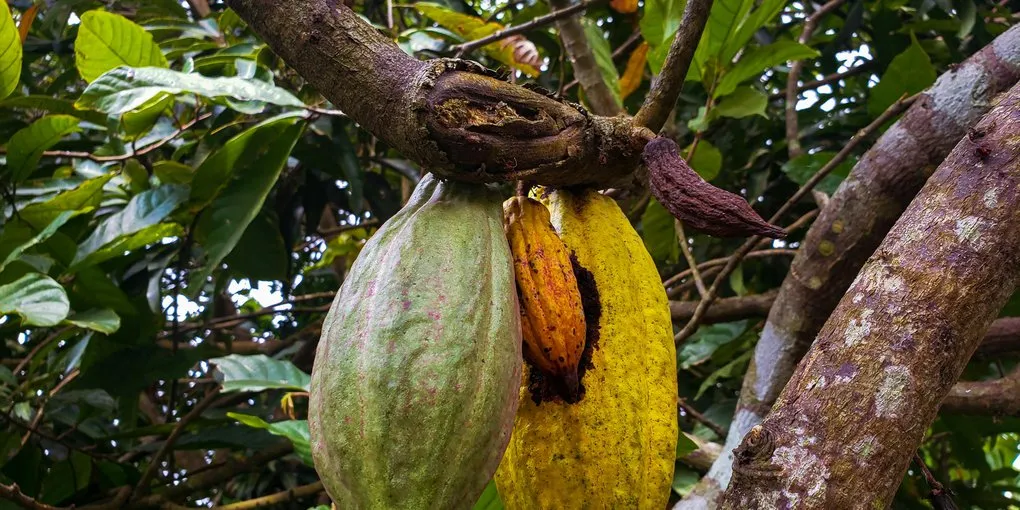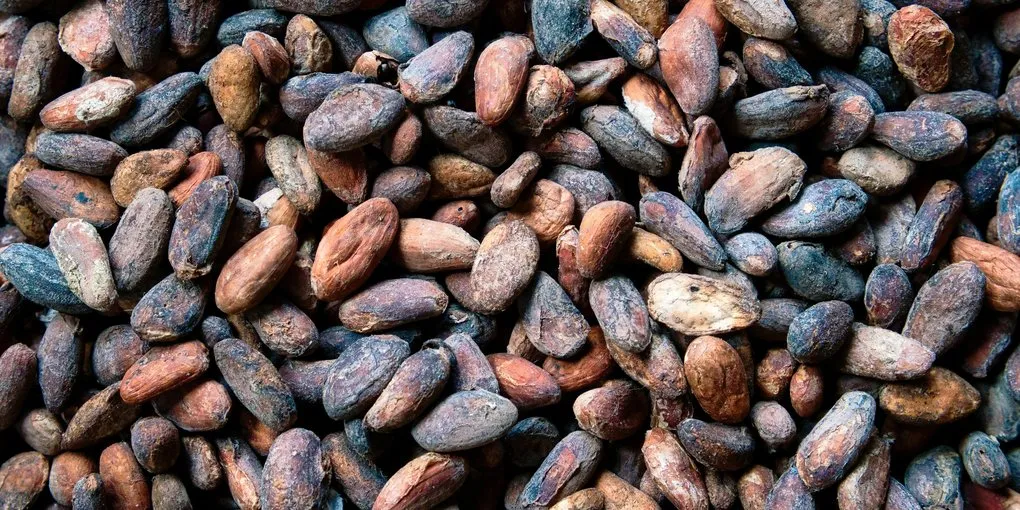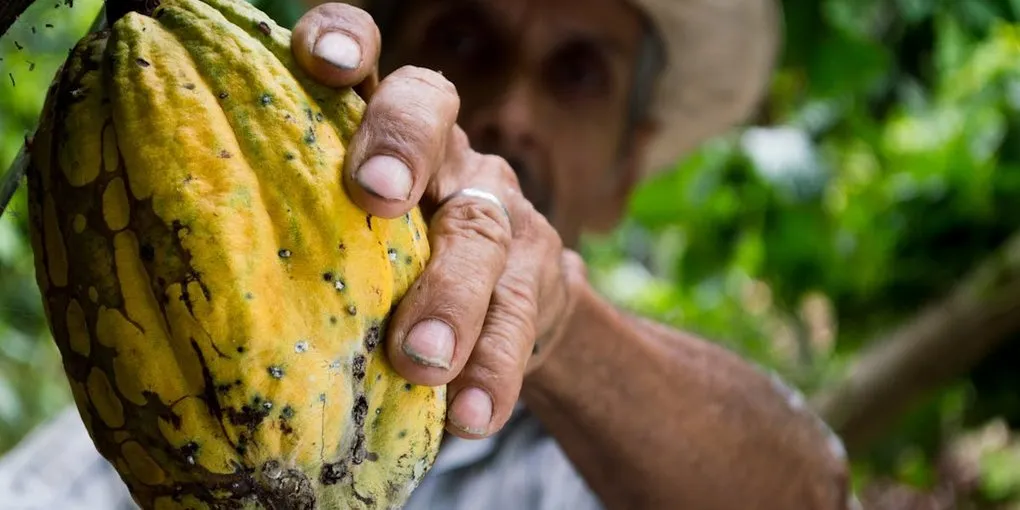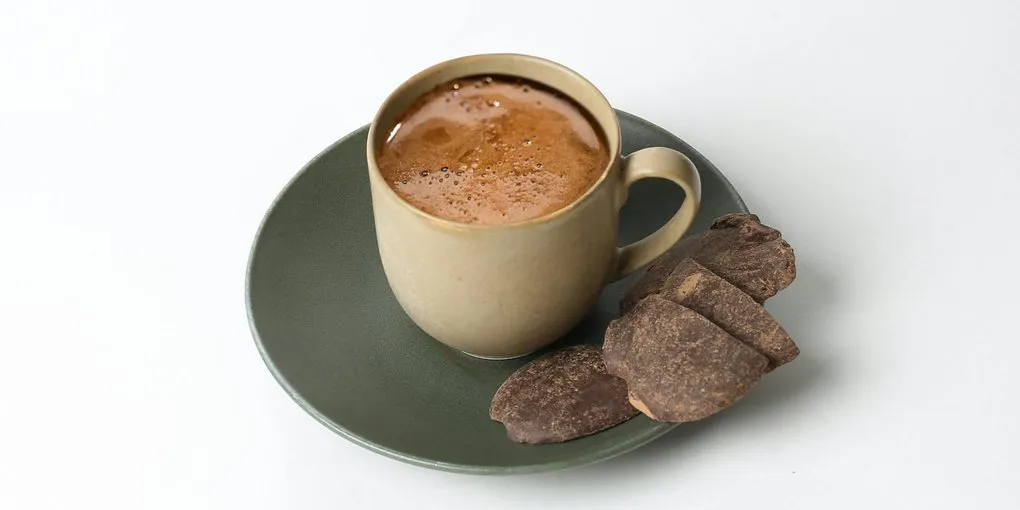
Ceremonial cacao is usually cacao paste prepared as a rich, concentrated drink and consumed in a ritual setting. The paste contains both the nonfat cacao solids and their natural cocoa butter; the outer shell is removed before grinding.
Cacao has a long history that needs some geographical care. Researchers identified cacao residues and ancient DNA from roughly 5,300 years ago at Santa Ana–La Florida in southeast Ecuador, in South America. That evidence documents early cacao use; it does not establish that today’s unsweetened ceremonial drink or session format was practiced there. Later Mesoamerican cultures developed their own cacao traditions. Zarrillo and colleagues, 2018
This guide covers what a ceremonial label tells you, how to prepare the drink, and where the evidence behind its health claims stops.
What Makes Cacao “Ceremonial Grade”
Treat “ceremonial grade” as a producer’s description, not a standardized measure of purity, flavor, stimulant strength, or clinical benefit. Check the actual ingredients and processing information. Products commonly sold under this name have these features:
- Cacao paste: Shelled beans, or nibs, ground with their natural cocoa butter retained. Pure paste is ground nibs, including their naturally occurring fat; the shell is excluded.
- Few or no added ingredients: Many products contain only cacao, with no sugar, milk, emulsifier, or added cocoa butter. Flavored products also exist, so read the label.
- Identified origin: A named farm, cooperative, or region can make sourcing easier to trace. It does not, by itself, establish safety or a particular chemical composition.
- Disclosed processing: Fermentation, drying, roasting, and grinding affect the final drink. “Minimal processing” is too vague to predict the result.
Variety names such as Criollo and Trinitario can be useful background, but they are not a universal quality ranking. Ecuadorian Nacional cacao, for example, is also sold for ceremonial use. Flavor depends on genetics, growing conditions, fermentation, and the maker’s processing choices.
Fermentation helps develop chocolate flavor precursors and changes bitterness and astringency. Makers choose different fermentation and roasting approaches. A lightly fermented paste may taste quite different from a well-fermented one, but neither the word “raw” nor a short fermentation establishes maximum flavanols or theobromine. Ask for product-specific measurements if a seller makes a quantitative claim.
Use cacao paste sold as ready to eat or ready to prepare as a beverage. Raw cacao beans can carry pathogens; a home roast or adding hot water is not automatically a validated kill step. Laboratory work on Salmonella in cacao roasting shows why temperature, time, and the actual process matter.
How Ceremonial Cacao Differs from Hot Chocolate and Drinking Chocolate
These names overlap. The useful distinctions are the ingredient, its quantity, and any additions.
Ceremonial cacao commonly uses unsweetened cacao paste and water. The paste is rich in cocoa butter, which gives the drink body. Its particles disperse through the water while the melted fat is emulsified by whisking; it does not dissolve completely like sugar.
Drinking chocolate uses chocolate melted into milk or water. Depending on the chocolate, it may contain sugar, milk solids, or added cocoa butter. A drink made from unsweetened chocolate can be compositionally very close to one sold as ceremonial cacao.
Hot cocoa usually starts with cocoa powder, which has had much of its cocoa butter pressed out. It can be sweetened or unsweetened, and the powder can be natural or alkalized. Hot chocolate is also commonly used as a broader name for chocolate drinks.
Removing cocoa butter does not remove the bulk of the cocoa’s flavanols. Natural cocoa powder can be flavanol-rich. In a survey of commercial powders, more extensive alkalization was associated with lower flavanol content. That supports checking processing, not assuming every paste outranks every powder. Miller and colleagues, 2008
Ceremonial Cacao vs. Drinking Chocolate vs. Hot Cocoa
| Factor | 01Ceremonial Cacao | 02Drinking Chocolate | 03Hot Cocoa |
|---|---|---|---|
| Typical Base | Unsweetened cacao paste | Chocolate bar or couverture | Cocoa powder |
| Added Sugar | Often none; check ingredients | Depends on the chocolate and recipe | Optional; check the mix or recipe |
| Cocoa Butter | Naturally retained in paste | Depends on chocolate formulation | Much has been pressed out |
| Stimulant Content | Depends on paste and serving size | Depends on chocolate and serving size | Depends on powder and serving size |
| Flavanol Content | Cannot be inferred from ceremonial label | Varies with beans and processing | Natural and alkalized powders differ |
| Preparation | Whisk paste into hot water | Melt chocolate into milk or water | Disperse powder in milk or water |
| Flavor | Often bitter and intense | Depends on chocolate and additions | Depends on powder and additions |
These are common preparations, not regulated drink categories. Compare measured composition and equal serving quantities when evaluating stimulant or flavanol claims.
jayarrchocolate.comThe Active Compounds: What Theobromine Actually Does
Cacao contains the methylxanthines theobromine and caffeine. Their concentrations vary; a generic cacao percentage or variety name cannot tell you the dose in a cup. Do not assume that caffeine is always exactly one-tenth of the theobromine.
If a producer supplies reliable measurements in milligrams per gram, multiply that value by the grams of paste in the drink. For example, 10 mg/g × 30 g = 300 mg. That is a calculation example, not a typical-value claim. Without measurements, a precise serving estimate creates confidence the label does not justify.
Theobromine is pharmacologically active, but the evidence does not support a guarantee of calm focus, a prolonged energy lift, or freedom from jitters. In a placebo-controlled study of isolated theobromine at 250, 500, and 1,000 mg, effects on mood differed from caffeine, and higher doses produced more unpleasant effects. Heart rate increased at the higher doses; headache and nausea were also reported. The study tested isolated compounds in healthy young adults, not ceremonial cacao sessions. Baggott and colleagues, 2013
People may describe a session as warm, connecting, or “heart-opening.” Those are descriptions of experience. They do not establish a specific vascular mechanism, exclude expectancy and setting, or demonstrate treatment of a medical condition. Caffeine, flavor, the setting, and individual sensitivity can all matter; the drink’s effects cannot be assigned to theobromine alone.
Polyphenols and Flavanols
Cacao contains polyphenols, including the flavanols epicatechin and catechin. Processing affects their measured amounts, but a high laboratory antioxidant value is not a demonstrated health outcome. There is no reliable universal percentage by which fermentation reduces the bitterness of every cacao.
The large COSMOS randomized trial used a standardized extract supplying 500 mg of cocoa flavanols daily in older adults. It did not find a statistically significant reduction in its primary outcome of total cardiovascular events. A secondary cardiovascular-death result was favorable, and the investigators called for further research. Neither result establishes that a mug of ceremonial cacao prevents cardiovascular disease. COSMOS trial report
How to Prepare Ceremonial Cacao
The following is a culinary preparation for a concentrated drink, not a medically established dose or a promise of a particular experience. Follow the product’s instructions and choose a smaller quantity if you want a lighter drink.
What You Need
- 28–42 g ready-to-prepare, unsweetened cacao paste, or a smaller amount to taste
- 200–250 ml water, heated to about 180°F (82°C)
- Optional: a pinch of cayenne, cinnamon, or vanilla, to taste
- A heatproof mug and whisk or frother suitable for hot liquids
Preparation
- Chop the paste into small pieces so it melts and disperses more easily.
- Heat the water. About 180°F (82°C) is a workable preparation temperature, not a biological threshold. There is no need to hold a rolling boil, and the drink must cool before sipping.
- Add the paste to the hot water in a heatproof vessel with enough headroom to whisk without splashing.
- Whisk or froth until smooth, usually around 30–60 seconds depending on the equipment and particle size. Some sediment or fat separation can remain; stir again if needed. If using a blender, follow its hot-liquid instructions. Do not put hot liquid in a sealed blending cup that is not designed for it.
- Adjust to taste. Add water for a lighter texture, or use less paste next time. Sweetener is a preference; adding it does not invalidate a personal ritual.
This is one contemporary preparation. Cayenne, cinnamon, and vanilla are optional flavor choices here, not a claim that every ingredient belongs to one ancient Mesoamerican recipe.
Choosing a Serving
There is no clinically established “ceremonial dose.” Labels such as light, standard, and full ceremony describe a seller’s practice; they do not predict warmth, focus, or emotional effects. A larger amount delivers more of the paste’s constituents, not a reliably deeper experience.
Account for other caffeine sources and how the drink affects your sleep and comfort. Do not keep increasing the amount to chase a promised effect. If you have a condition affected by stimulants, take medicines, or are pregnant or breastfeeding, ask your healthcare professional about concentrated cacao and total caffeine intake. A blanket daily-safe amount in grams cannot account for those differences or for variation between products. FDA guidance on caffeine explains why sensitivity and health circumstances matter.
The Ritual Context
Contemporary sessions may involve quiet reflection, music, conversation, or a guided intention. These practices differ among facilitators and communities. Historical evidence deserves the same specificity: the Met’s Classic Maya drinking-cup discussion describes cacao vessels and the pouring used to create foam. It is evidence of a particular cultural practice, not a blueprint for every modern ceremony.
For broader context, see our history of chocolate from Maya to the modern era. When a facilitator claims a particular Indigenous lineage, look for a clear account of who teaches or authorizes that practice. You can also enjoy a quiet cup without making historical or therapeutic claims for it.
How to Evaluate Ceremonial Cacao Quality
Look for information that helps you choose the actual food: ingredients, flavor, traceability, processing, and appropriate handling instructions.
Source and Variety
A named farm or cooperative is useful for traceability. Cacao percentage tells you the proportion of cacao-derived ingredients, not their stimulant concentration or how responsibly the cacao was grown. If you want pure paste, look for cacao as the only ingredient and check whether any added cocoa butter is listed separately.
Do not buy on a variety name alone. Descriptions such as fruity, nutty, sour, or astringent, plus information about fermentation and roasting, can be more useful for finding a drink you enjoy. The same practical comparisons used in tasting craft chocolate apply.
What to Check
- Ingredient list: Powder blends, spices, and sweeteners should be disclosed. They change the drink, but are not inherently evidence of poor quality or adulteration.
- Processing: If avoiding alkalized cacao matters to you, check the maker’s statement or label. Alkalization generally lowers flavanols; it does not necessarily eliminate them.
- Origin and sourcing: Missing detail leaves an information gap. It does not prove commodity blending or dishonest sourcing.
- Measured claims: Ask what was tested, by whom, and whether a result applies to the batch being sold. A ceremonial label is not evidence of a particular theobromine level or contaminant result.
Supplier Information to Compare
These are examples of sellers with first-party product information, not a comparative test or an endorsement of their health claims. Check the current product page before buying.
- Keith’s Cacao describes its cacao as made in Guatemala.
- Ora Cacao is the renamed Firefly Chocolate business. Ora and Firefly should not be counted as two separate suppliers.
- Cacao Laboratory identifies its cacao as Ecuadorian Arriba Nacional, rather than describing it as a Criollo-focused range.
Health Claims: What the Evidence Supports
Cacao contains biologically active compounds, and standardized cocoa extracts have been studied in clinical trials. Those facts do not establish a therapeutic dose of ceremonial paste.
Be skeptical of promises to treat depression, anxiety, or PTSD; to produce a medically defined “heart-opening” effect; or to make raw cacao categorically healthier than fermented and roasted cacao. The research cited above does not establish those claims. Cultural meaning, personal enjoyment, and clinical efficacy are different questions.
For the processing distinctions behind cacao and cocoa, or more on cacao genetics and varieties, see our dedicated guides.
Frequently Asked Questions
- What is the difference between ceremonial cacao and regular chocolate?
- Ceremonial cacao commonly means unsweetened paste made by grinding shelled cacao nibs with their natural cocoa butter retained, prepared as a drink. Ordinary chocolate may add sugar, milk, cocoa butter, or emulsifiers, but unsweetened chocolate can be compositionally very similar. Check ingredients and processing rather than assuming a ceremonial label guarantees a distinct composition.
- How much theobromine is in a ceremonial cacao serving?
- The amount depends on the product and serving mass. Use product-specific measured milligrams per gram multiplied by the grams of paste. A variety name, cacao percentage, or ceremonial label cannot establish the dose, and caffeine is not always exactly one-tenth of the theobromine.
- Is ceremonial cacao safe to drink every day?
- There is no universally established daily-safe quantity of ceremonial paste. Products and sensitivities differ, and concentrated servings contain both theobromine and caffeine. Consider other caffeine sources and sleep effects. Ask a healthcare professional about concentrated cacao if you take medicines, have a condition affected by stimulants, or are pregnant or breastfeeding.
- What temperature should the water be for ceremonial cacao?
- About 180 degrees F (82 degrees C) is a practical starting point for dispersing chopped paste in hot water. It is a preparation choice, not a proven nutrient-preservation threshold or a validated pathogen-kill process. Whisk until smooth, use equipment approved for hot liquids, and let the drink cool before sipping.
- Does 'ceremonial grade' establish quality or a health benefit?
- The label alone does not establish purity, stimulant concentration, safety, or clinical benefit. Check the ingredients, named origin, processing information, and the evidence behind any measured claim. A preference for a particular variety or ritual style is separate from verified food composition.