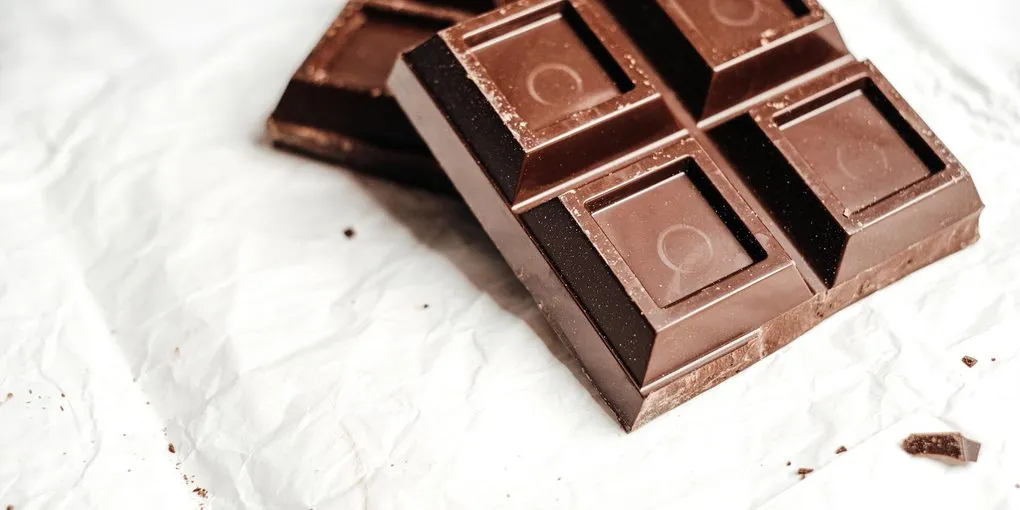
Most people eat chocolate. Very few people taste it. The difference is attention — a deliberate slowing down that lets you register the dozens of flavor compounds unfolding across your palate. Craft chocolate rewards this attention in ways that commodity bars never can, because the maker has preserved origin character rather than engineering it away.
This guide walks through a structured tasting methodology drawn from the IICCT flavor profile map, Dandelion Chocolate’s evaluation system, and the Cacao of Excellence framework. Whether you are evaluating your own batches or comparing bars from different makers, the process is the same.
Before You Taste: Setup
Tasting chocolate is a sensory exercise, and your environment matters.
Palate preparation. Avoid coffee, strong spices, or heavily flavored foods for at least 30 minutes before tasting. Water and plain bread or unsalted crackers are your palate cleansers between samples. Some tasters use warm water, which does a better job of clearing residual cocoa butter from the mouth.
Temperature. Chocolate should be at room temperature, roughly 68 to 72 degrees Fahrenheit. Cold chocolate suppresses volatile release. The flavor compounds you are trying to detect — pyrazines, Strecker aldehydes, linalool — are volatile aromatics that need warmth to reach your nose.
Sample size. A piece roughly the size of a quarter (5 to 7 grams) is enough. Larger pieces overwhelm the palate and make it harder to detect subtle notes.
Number of samples. Three to five bars per session is optimal. Beyond five, palate fatigue sets in and your later evaluations become unreliable.
Lighting. Good natural or neutral artificial light. You need to see the surface of the chocolate clearly — gloss, color, bloom, and any surface imperfections are your first data points.
Step 1: Look
Hold the piece at arm’s length. Well-tempered chocolate has a uniform, glossy surface with no white streaks or powdery patches. The color should be even — dark chocolate ranges from deep mahogany to near-black depending on origin and roast. Dull spots, grey streaks, or white haze indicate tempering problems or bloom. These will not necessarily ruin flavor, but they affect your perception of melt and texture.
For bars you have made yourself, the visual check is also a temper audit. If you see fat bloom or sugar bloom, note it but continue tasting — the flavor data is still valuable even if the temper is off.
Step 2: Snap
Break the piece in half. Properly tempered chocolate produces a clean, audible snap. The break surface should be smooth and slightly glossy, not crumbly or waxy. A dull thud or a bend instead of a break suggests the chocolate is under-tempered, too warm, or has transitioned toward Form VI crystals.
The snap tells you about the crystal structure before anything hits your tongue. Form V crystals — the target of proper tempering — give that crisp, definitive break.
Step 3: Smell
This is where most tasters rush. Do not. Hold the broken piece close to your nose and inhale slowly. Then rub the surface with your thumb for a few seconds to warm it and smell again. Cocoa butter melts just below body temperature, and the warmth from your skin releases volatiles that were locked in the solid matrix.
Try to identify broad categories first. Is it fruity? Roasty? Floral? Earthy? Do not reach for specific descriptors yet. The goal at this stage is to map the general territory.
The IICCT framework organizes chocolate aromas into four positive categories:
- Dairy/Sweet — butter, cream, caramel, dark sugars, chocolate/coffee
- Fruity — citrus, stone fruit, berries, dried fruit, tropical, wine-adjacent
- Vegetal/Grassy — chlorophyll, grass, hay, earthy, loam
- Herbal/Spicy/Woody/Nutty — spices, woods, capsicum, floral, tea, nuts, spirits
And four defect categories: Chemical, Medicinal, Earthy/Organic, and Savory/Mineral. If you detect anything in the defect range — solventy, smoky in a way that feels wrong, or outright sour — note it. These are meaningful signals about the beans or the process.
Step 4: Taste
Place the piece on your tongue and let it sit. Do not chew. Cocoa butter melts at approximately 34 degrees Celsius — just below body temperature — and this slow melt is where craft chocolate separates from commodity bars.
As the chocolate melts, pay attention to the sequence. Most craft chocolate reveals its flavors in waves:
Opening notes (first 15 to 30 seconds). These are often the brightest, most volatile compounds. Citrus, berry, and floral notes tend to appear here. If you detect acidity, this is where it registers most strongly.
Mid-palate (30 seconds to 1 minute). The core identity of the chocolate emerges. Roasted/nutty notes (pyrazines), caramel and dark sugar (furans), and the fundamental chocolate character driven by compounds like 3-methylbutanal — the strongest predictor of cocoa-chocolate flavor according to Afoakwa’s GC-MS analysis.
Finish (1 to 3 minutes). The lingering impression after the chocolate has melted. Astringency, bitterness, and woody/earthy notes tend to persist. A long, clean finish with evolving complexity is a hallmark of excellent chocolate. A short finish that disappears quickly or a finish dominated by bitterness or astringency suggests issues with bean quality, fermentation, or roast.
Here is a critical point about temper and flavor perception: tempering does not change the actual chemical flavor of chocolate, but it changes how you experience it. Tempered chocolate melts slowly, spreading flavors over time in a subdued, measured way. Untempered chocolate melts quickly, delivering all its flavor at once in an intense burst. When evaluating your own batches, be aware that temper quality will shift your flavor perception even if the recipe is identical.
Step 5: Score
Dandelion Chocolate uses a deceptively simple scoring system: a scale from negative 2 to positive 2. The key instruction is to compare each sample not just to the other samples in your tasting, but to every chocolate you have ever tasted. This anchors your scores to an absolute personal standard rather than a relative one within a single session.
- +2: Exceptional. One of the best chocolates you have tasted.
- +1: Above average. Interesting, well-made, would buy again.
- 0: Average. Competent but unremarkable.
- -1: Below average. Noticeable flaws or simply boring.
- -2: Poor. Significant defects or unpleasant.
Write your scores before discussing with others. Group tasting is valuable, but only if each person commits to an independent evaluation first.
Building Your Flavor Vocabulary
The gap between “this tastes good” and “this has bright citrus acidity with a caramel mid-palate and a clean, slightly tannic finish” is not about having a better palate. It is about practice and reference points.
Taste origins side by side. The fastest way to calibrate is to taste the same percentage from different origins. A 70% Madagascar bar next to a 70% Ecuador next to a 70% Tanzania will teach you more about origin character than reading a hundred tasting notes. Madagascar’s red berry and citrus tang, Ecuador’s floral signature, Tanzania’s melon and honey — these become obvious when you taste them head to head.
Anchor your descriptors. When you write “berry,” do you mean strawberry, raspberry, blueberry, or blackberry? Each is a different sensory experience. Next time you eat actual berries, pay attention. Then when you taste Madagascar chocolate, you can confidently say “raspberry” rather than a vague “fruity.”
Keep a tasting journal. Record the maker, origin, percentage, date, and your notes. Over months, patterns emerge. You will discover which origins you prefer, which percentage range works best for your palate, and which flavor categories you are most sensitive to.
Revisit bars. Chocolate changes as it ages. A bar tasted the week it was made, a month later, and three months later will show different flavor profiles. The bright notes often mellow and deeper flavors emerge. This is one of the most underappreciated aspects of craft chocolate evaluation.
Tasting Your Own Batches
If you are a bean-to-bar maker, tasting takes on an additional purpose: process feedback. Every batch you taste tells you something about your roast, your conch, and your temper.
Dandelion’s “Search Space” method for dialing in a roast profile is essentially structured tasting. They roast three 1-kg batches of the same bean — one at first pop, one at 2 minutes less, one at 2 minutes more. Each batch becomes chocolate. Then they blind taste all three on the negative 2 to positive 2 scale and narrow the range. It typically takes 9 to 16 test batches to find the optimal roast for a new origin. This is rigorous, but it produces bars where every roasting decision has been validated by the palate.
When tasting your own chocolate, be especially disciplined about the temper variable. If one batch is well-tempered and another is not, the difference in melt rate will skew your flavor comparison. Taste them at the same temper state, or account for the difference in your notes.
Common Tasting Mistakes
Chewing immediately. This is the most common error. Chewing breaks the chocolate into pieces that melt simultaneously, compressing the flavor sequence into a single moment. Let it melt.
Tasting too many samples. After five or six bars, your palate loses discrimination. Stop at five and come back the next day.
Reaching for fancy descriptors. If you taste something and the honest descriptor is “chocolatey,” write that down. Forced specificity produces unreliable notes. The specific language will come with practice.
Ignoring defects. If a chocolate tastes vinegary, metallic, or smoky in a way that distracts from the positive flavors, say so. The IICCT framework includes defect categories for a reason. Recognizing what went wrong is as valuable as recognizing what went right — especially when evaluating your own production.
For a deeper look at the specific flavor descriptors used in professional evaluation, see our guide to the chocolate flavor wheel. To understand what the percentage on a bar label actually tells you about flavor, see what cacao percentage really means.
Frequently Asked Questions
- What is the best way to taste craft chocolate?
- Let the chocolate melt on your tongue rather than chewing. Place a piece roughly the size of a quarter on your tongue and allow it to melt slowly. Pay attention to the sequence: opening notes (first 15-30 seconds), mid-palate (30 seconds to 1 minute), and finish (1-3 minutes). The slow melt allows you to detect the full range of volatile flavor compounds.
- How many chocolate bars should I taste in one session?
- Three to five bars per session is optimal. Beyond five, palate fatigue reduces your ability to discriminate between samples. Cleanse your palate between samples with water and plain bread or unsalted crackers. Warm water works better than cold for clearing residual cocoa butter.
- What temperature should chocolate be for tasting?
- Room temperature, roughly 68-72 degrees Fahrenheit. Cold chocolate suppresses the release of volatile aroma compounds (pyrazines, aldehydes, linalool) that carry most of the flavor information. Never taste chocolate straight from the refrigerator.
- What is the IICCT flavor profile map?
- The IICCT flavor profile map organizes chocolate flavors into four positive categories: Dairy/Sweet (butter, cream, caramel, dark sugars, chocolate/coffee), Fruity (citrus, stone fruit, berries, dried fruit, tropical), Vegetal/Grassy (chlorophyll, grass, hay, earthy), and Herbal/Spicy/Woody/Nutty (spices, woods, capsicum, floral, tea, nuts). It also includes four defect categories: Chemical, Medicinal, Earthy/Organic, and Savory/Mineral.
- How does Dandelion Chocolate score their tastings?
- Dandelion uses a -2 to +2 scale where each sample is compared not just to other samples in the current tasting, but to every chocolate the taster has ever tasted. This anchors scores to an absolute personal standard. +2 is exceptional, +1 is above average, 0 is average, -1 is below average, and -2 is poor.
- Does tempering affect chocolate flavor?
- Tempering does not change the actual chemical flavor compounds in chocolate, but it significantly changes how you experience them. Tempered chocolate melts slowly, spreading flavors over time in a subdued way. Untempered chocolate melts quickly, delivering all flavor at once in an intense burst. This means temper quality will shift your flavor perception even when the recipe is identical.
- How do I build a chocolate flavor vocabulary?
- Taste different origins side by side at the same percentage (e.g., three different 70% bars from Madagascar, Ecuador, and Tanzania). Anchor your descriptors to real foods -- when you write 'berry,' specify which berry. Keep a tasting journal with maker, origin, percentage, date, and detailed notes. Over months, patterns emerge and your vocabulary naturally expands.