 Science
 March 23, 2026
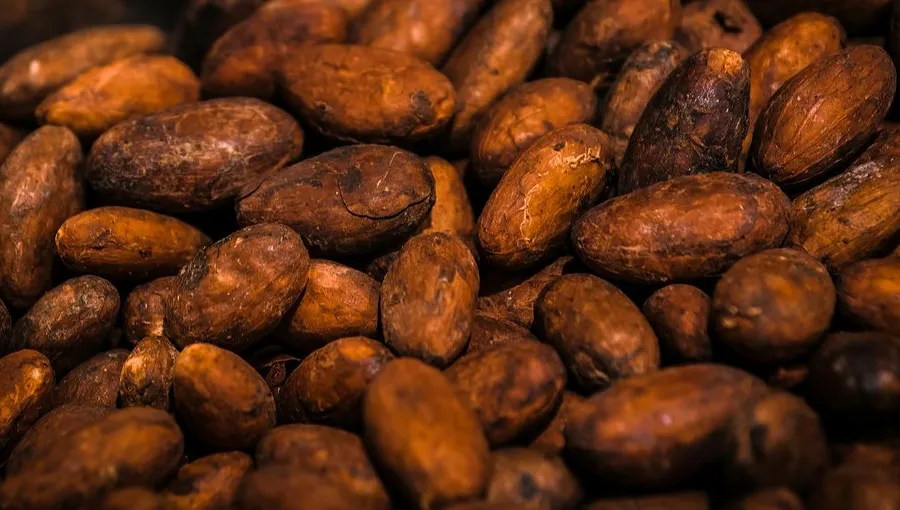
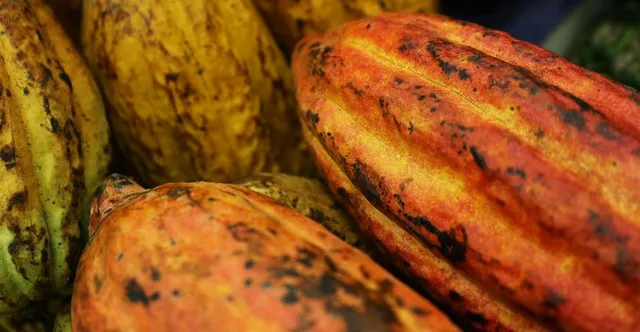
Cacao Genetics Explained: From the Big Three to Motamayor's 10 Clusters
The Criollo/Forastero/Trinitario classification is scientifically obsolete. Here's what the 2008 Motamayor study actually found, why it matters for flavor, and what craft chocolate makers should know about cacao genetics.
Read →
 Recipes
 March 23, 2026
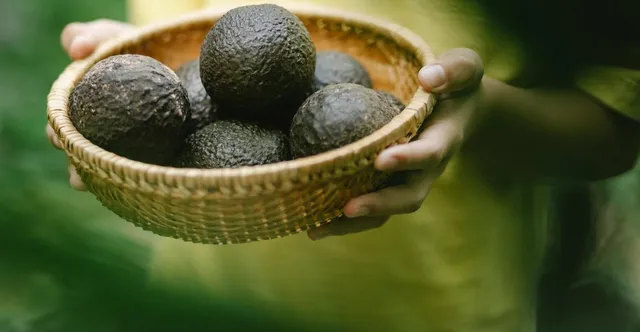
12 Ways to Use Cacao Nibs (Beyond Snacking)
Roasted cacao nibs are a versatile cooking ingredient. Twelve ideas from infused cream and nib brittle to mole, smoothies, and bar inclusions — plus ready-to-eat sourcing, caffeine, and storage guidance.
Read →
 Tasting
 March 23, 2026
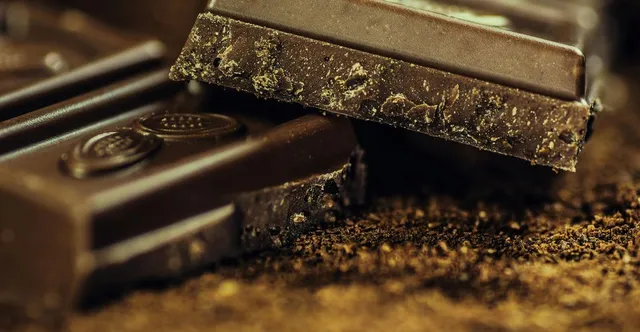
What Does Cacao Percentage Actually Mean?
Cacao percentage counts cocoa butter as well as cocoa solids. Learn why two 70% bars can differ, how the recipe math works, and what the label cannot tell you.
Read →
 Equipment
 March 23, 2026
Champion Juicer for Chocolate Making: Cracking and Pre-Refining
How chocolate makers have adapted the Champion juicer for cracking and cocoa liquor, why the setups differ, and when a separate pre-grinding step is optional.
Read →
 Bean to Bar
 March 23, 2026
Aging Chocolate: Does Resting Improve Your Bars?
What research does and does not show about resting chocolate, how to compare a batch over time, and how to protect its flavor and texture during storage.
Read →
 Science
 March 23, 2026
What Makes Chocolate Taste Like Chocolate: A Guide to Flavor Compounds
How fermentation, roasting, conching, and chocolate's structure shape aroma. Learn what aldehydes, pyrazines, floral compounds, and sensory studies actually tell us.
Read →
 Tasting
 March 23, 2026
The Chocolate Flavor Wheel Explained: From Dairy Notes to Defects
Understand chocolate tasting vocabulary, the differences between IICCT and Cacao of Excellence, and how to describe aromas without mistaking a flavor note for a chemical diagnosis.
Read →
 Recipes
 March 23, 2026
Chocolate Inclusions Guide: Nuts, Nibs, Salt & More
How to add inclusions to bean-to-bar chocolate — nuts, cacao nibs, dried fruit, salt, spices, and more. Covers timing, tempering considerations, and fat migration prevention.
Read →
 Equipment
 March 23, 2026
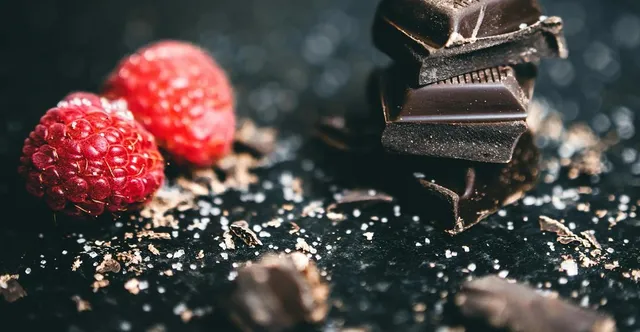
Complete Bean-to-Bar Equipment Guide for Beginners
Everything you need to make bean-to-bar chocolate at home. Covers roasting, cracking, winnowing, refining, tempering, and molding with specific tool recommendations.
Read →
 Bean to Bar
 March 23, 2026
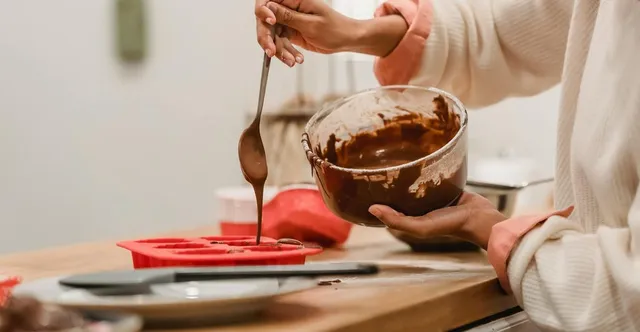
How to Unmold Chocolate Cleanly: Fix Sticking, Cracks & Dull Spots
Chocolate sticks, cracks, or comes out dull when it's under-tempered or cooled wrong. How to get a glossy, clean release from polycarbonate and silicone molds every time.
Read →
 Bean to Bar
 March 23, 2026
Diagnosing Chocolate Off-Flavors: Vinegary, Smoky, Metallic & More
Trace vinegary, smoky, hammy, metallic and other chocolate off-notes with supplier checks, process records and controlled comparisons—not automatic diagnoses.
Read →
 Recipes
 March 23, 2026
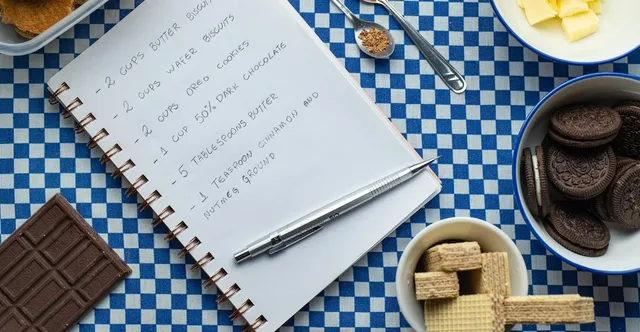
How to Formulate a Chocolate Recipe: Percentages and Ratios
Learn to formulate chocolate recipes from cacao percentage to ingredient ratios. Covers the two-ingredient base formula, cocoa butter additions, milk, and lecithin.
Read →
 Bean to Bar
 March 23, 2026
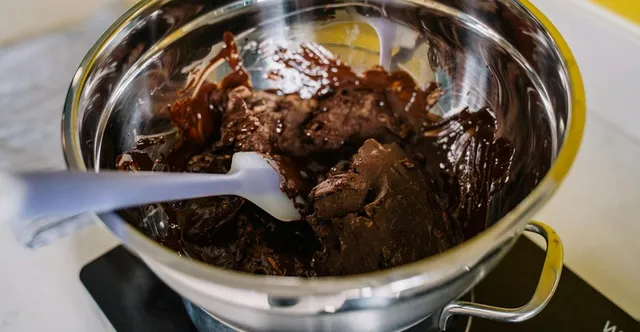
Chocolate Too Thick? How to Fix Viscosity Without Ruining Your Batch
Diagnose thick chocolate by temperature, crystallization, moisture, formulation, and particle size. Learn when cocoa butter or emulsifiers help and when to change course.
Read →
 Bean to Bar
 March 23, 2026
Chocolate Won't Temper? Troubleshooting Guide
Diagnose chocolate that will not set: check its tempering curve, seed, cooling conditions, bloom, overcrystallization, and moisture contamination.
Read →
No articles in this category on this page.