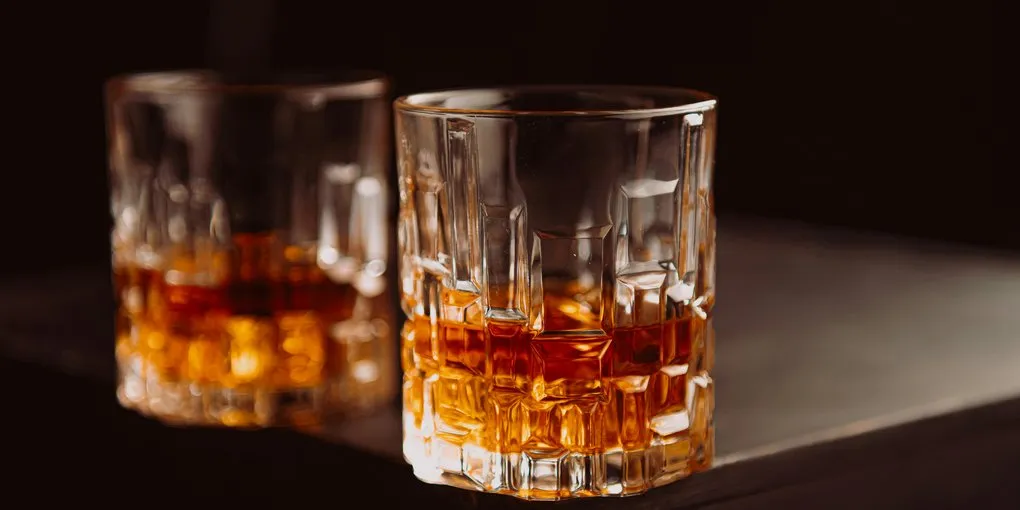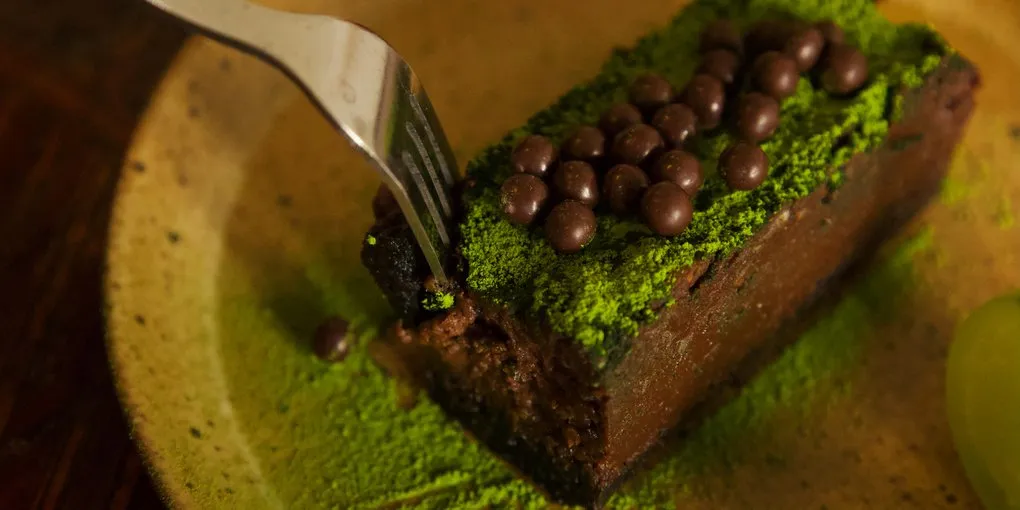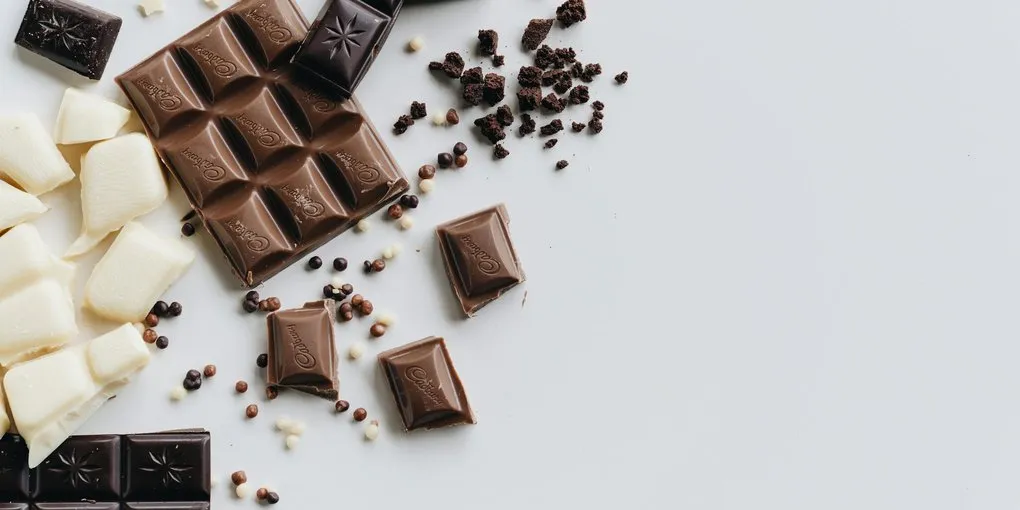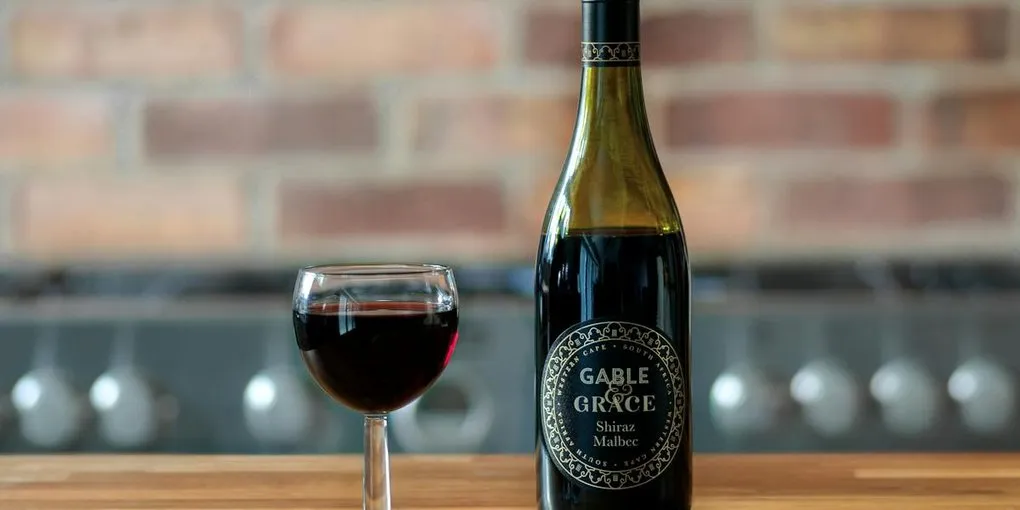
A pairing guide should help you choose what to try. It cannot tell you what you must enjoy. At a UC Davis chocolate-and-wine tasting, participants and panelists chose different favorites from the same wines and chocolates. That is a useful starting point: there is room for preference, not a single scientifically perfect match. UC Davis event account.
Chocolate and wine both draw some of their character from fermentation, raw materials and processing. Shared descriptions such as cherry, nuts or caramel can suggest a pairing, but they do not prove identical aroma chemistry or predict the result in your mouth.
Use sweetness as a starting point
Trying a wine that tastes at least as sweet as the chocolate is a familiar dessert-pairing heuristic. The Sherry council presents the sweeter-wine approach as a rule of thumb, not a physiological law. Sherry pairing guidance.
If a dry wine tastes sharper or less fruity after a sweet chocolate, try a less sweet bar, a sweeter wine, or a smaller bite. If the combination feels too rich, try a different wine or chocolate instead of assuming you chose the wrong cacao percentage. These are tasting adjustments, not a sugar-to-sugar formula.
A wine’s residual sugar is measured in grams per litre. A chocolate label usually gives sugar by mass per serving or per 100 g. Comparing those numbers directly does not tell you which will taste sweeter: serving size, acidity, bitterness, aroma and the food’s structure differ.
Cacao percentage is useful, but it is not a tannin test or a sweetness score. A 70% two-ingredient bar made only from cacao and sugar has about 30% sugar by formulation. Once milk, nuts, alternative sweeteners or other ingredients enter the recipe, the remaining percentage is no longer all sugar. There is no established universal quality optimum at 70–75%.
Read the wine style, not just the grape name
Three distinctions prevent many disappointing purchases:
- Oloroso versus sweet Sherry: The Sherry council identifies Oloroso as dry. Its walnut-like aromas do not mean it contains dessert-level sugar. Cream Sherry and Pedro Ximénez are different options when you want pronounced sweetness. Oloroso profile, sweet Sherry pairing example.
- Riesling ripeness versus finished sweetness: Kabinett, Spätlese and Auslese describe ripeness or harvest categories. They can appear on dry wines as well as sweeter ones. Check for trocken, the producer’s description and the bottle’s technical information instead of assuming a fixed residual-sugar range. German Wines USA label guide.
- Ruby-style versus Tawny Port: LBV belongs to the Ruby family, which aims to retain youthful fruit and structure. Aged Tawny develops differently during extended wood ageing. They should not both be described as uniformly low-tannin, oxidatively aged wines. IVDP Port styles.
Pinot Noir, Gewürztraminer and Zinfandel also vary by producer and style. Fruit aromas are not the same thing as residual sugar. When shopping, describe the chocolate you have and the sweetness you want rather than relying solely on a grape name.
Chocolate & Wine: Starting Points to Try
Choose the actual bar and bottle; these are experiments, not fixed matches
Dark Chocolate
- Ruby-style Port or LBV — Compare a fruit-led wine with a plain dark bar; higher cacao percentages are not automatically excluded.
- Aged Tawny Port — Try alongside a bar that you find nutty or caramel-like. Taste the chocolate first rather than assigning that profile from its country.
- Cream Sherry — A sweeter Sherry option to compare with dark chocolate. Dry Oloroso is a different experiment.
Milk Chocolate
- Riesling with confirmed sweetness — A useful trial with plain or fruit-noted milk chocolate; Kabinett alone does not mean off-dry.
- Pinot Noir — An optional dry-wine comparison. If the wine loses its fruit beside the chocolate, try another bar or bottle.
- Port — Compare the same bar with Ruby-style and Tawny; no universal milk-chocolate sugar range establishes the winner.
White Chocolate
- Sweet Riesling or Sauternes — Suggested starting points; sweetness and acidity can coexist, so two sweet products are not automatically a bad match.
- Moscato d’Asti — An optional sparkling-wine trial; judge the particular bottle with the chocolate you have.
- Plain versus flavored white chocolate — Compare separately; vanilla, fruit and other additions can change the result.
If the Pairing Disappoints
- Too drying or bitter — Try a different wine or bar, or reduce the bite size. Cocoa percentage cannot diagnose tannin concentration.
- One flavor dominates — Choose a less intense partner or change serving proportions.
- Too sweet or heavy — Compare another style; do not turn one disliked combination into a ban on all dessert wine and white chocolate.
Editorial tasting suggestions. Wine styles are supported by their governing bodies; these specific bar-and-bottle combinations have not been independently tasted for this guide.
jayarrchocolate.comPort and dark chocolate: compare two styles
Port is a well-established place to begin. The IVDP recommends young, fruity LBV or Vintage with chocolate cakes and mousse, and its own chocolate event paired different origins with both Tawny and Vintage. These are useful examples of range, not proof that one Port matches every dark bar. IVDP serving guide, IVDP chocolate event.
For a simple comparison, use one plain bar with a Ruby-style Port and an aged Tawny. Notice fruit, roast, sweetness and drying sensation. Keep the bites small and comparable. A different result with an 85% bar is worth recording, but there is no sound reason to prohibit every Port pairing above 80% cacao.
An Ecuadorian bar can be one candidate if its own flavor reminds you of nuts or fudge. Ecuador is not a guarantee of those notes, and Nacional does not specify a pairing outcome.
Riesling, milk chocolate and white chocolate
A Riesling with confirmed residual sweetness is a reasonable trial alongside milk or white chocolate. Try the wine alone, then after a small bite. Does the fruit remain distinct? Does the acidity feel refreshing, sharp, or simply less noticeable? “Cutting through fat” is a tasting metaphor here, not a claim that wine acid chemically removes cocoa butter from your mouth.
White chocolate contains cocoa butter, so saying it has “no cocoa solids” is imprecise: it lacks the nonfat cocoa material found in dark chocolate. Its flavor can depend on cocoa butter, milk ingredients, sugar, vanilla and additions. It does not need to be treated as flavorless or as having one exact composition.
If you want a dry-wine comparison, try the same milk chocolate with Pinot Noir. Keep it as an experiment; a grape name does not guarantee low astringency or enough sweetness. Likewise, sweet wine and white chocolate are not categorically incompatible. A preference for less sweet pairings does not establish a universal ban on sweet combinations.
What tannins can and cannot explain
Astringency is a drying mouthfeel, distinct from bitter taste. Tannins are relevant, but adding two products together is not a simple arithmetic “tannin load.” In a study of 18 Pinot Noir wines assessed by 17 wine professionals, perceived astringency related to tannin concentration and structure. That supports paying attention to the specific wine rather than classifying every Pinot Noir as low-tannin. Pinot Noir sensory study.
Nor does a cacao percentage measure a bar’s tannins. Fermentation, roasting, formulation and the cacao itself matter. Added cocoa butter and milk ingredients also change composition and mouthfeel. A two-ingredient bar is not automatically drier than every bar with added butter, and an 80% threshold is not a chemical switch.
Controlled pairing studies have limits, too. A 2023 study tested 14 Romanian sparkling wines and five chocolates with 50 experienced tasters. Some sweeter sparkling wines received favorable matches with dark chocolate, including a 95% sample. This does not establish the best Prosecco, but it is a reason to avoid a blanket claim that sparkling wine and dark chocolate cannot work. Study and methods.
Use origin as a question, not an answer
The best origin-based exercise starts with what you actually taste. Chocolate from one country can vary across farms, harvests and makers. A shared aroma word suggests a comparison; it does not prove that both products contain the same aroma compounds at sensory-relevant concentrations.
- Madagascar: If your bar has berry-like notes, compare it with a fruit-led red wine. Do not assume every Madagascar bar is tart or that its acidity becomes excessive above 75%.
- Ecuador: If you taste nuts or caramel, compare a Tawny or Cream Sherry. If you try Oloroso, expect a dry wine rather than promised residual sweetness.
- Peru: If the bar seems citrusy or floral, a Riesling or Gewürztraminer of known sweetness is one experiment. Piura does not establish grape-and-tangerine notes for every bar.
- Venezuela: Try a sweet white wine with a bar you find creamy or nutty, while keeping genetics separate from a guaranteed texture.
- Tanzania: Taste the actual producer’s bar before choosing a partner. Melon is not an exclusive national flavor, and a country name does not establish its fat content.
- Papua New Guinea: Smoke contamination is not a required origin trait or a reason to select a bar for pairing. Look for a sound, well-described product rather than deliberately seeking smoke taint.
For bars with nuts, fruit or spices, the inclusion may guide the experiment more than origin does. Compare a plain bar with an inclusion bar at a similar cacao percentage. The recipe-variation guide can help identify the ingredients involved, but it cannot establish an ideal wine partner. Mint can dominate a pairing at some doses; it does not make every wine unrecognizable.
A simple tasting flight
You do not need four bottles and five bars to begin. Two wines and two chocolates create four comparisons, enough to discover whether you prefer a repeated flavor, a contrast, or one item on its own.
- Record the labels. Note producer, vintage or harvest where available, wine style and the bar’s ingredients. Keep country and percentage as descriptors, not scores.
- Taste each item separately. Note sweetness, fruit, roast, bitterness and drying sensation. Let the chocolate soften; gently chewing is also an option, not a disqualifying mistake.
- Try chocolate followed by wine. Use a small, consistent bite and sip. Record what changed.
- Compare the reverse order if useful. Order and serving proportions can affect the experience. Keep the exercise manageable rather than forcing repeated tastes after you are fatigued.
- Pause between comparisons. Water and plain crackers can help reset the tasting. Ask which combination you liked and why, rather than hunting for a required new flavor.
One suggested starting set is a plain dark bar and a plain milk or white bar, with a Port and a Riesling whose sweetness you have checked. It is an editorial exercise, not a validated progression from “lighter to darker, sweeter to drier.” You can substitute what you already have.
Our tasting guide and flavor wheel provide a vocabulary for your notes. A successful pairing may reveal a new impression, preserve two flavors you already liked, or simply make an enjoyable dessert. Your notes should explain your preference, not pretend to discover a universal rule.
Frequently Asked Questions
- What is the most important rule for pairing chocolate with wine?
- Start with the actual sweetness and intensity of the bar and bottle. A sweeter wine is a useful dessert-pairing starting point, but your preference matters more than a fixed cacao-percentage rule.
- Why can chocolate and red wine taste unpleasant together?
- A particular combination may seem too drying, bitter, sharp or sweet. Tannin and formulation matter, but their effects are not a simple additive score. Try a different bar or wine and compare smaller, consistent portions.
- What wine should I try with dark chocolate?
- Ruby-style Port, LBV, aged Tawny or a sweet Sherry are possible starting points. They differ in style; dry Oloroso should not be mistaken for sweet Cream Sherry. There is no blanket ban above80% cacao.
- Can white chocolate pair with wine?
- Yes. Sweet Riesling, Sauternes or Moscato d’Asti are possible trials, not guaranteed winners. Check the wine's actual sweetness. White chocolate contains cocoa butter but lacks dark chocolate's nonfat cocoa material.
- How should I taste chocolate and wine together?
- Taste each alone, then try a small bite followed by a sip. Compare the reverse order if useful, pause between samples, and record what you liked. Letting chocolate soften and then gently chewing is an option; there is no mandatory no-chewing rule.