A plain chocolate bar generally loses flavor and texture long before it visibly spoils. That is different from proving that a particular bar is safe. Storage history, damaged packaging, recalls, contamination and the type of filling all matter.
What “going bad” actually means for chocolate
Food scientists distinguish microbial growth, survival of contamination, and quality deterioration. Plain chocolate has low water activity (aw), commonly around 0.3–0.5: its water is not readily available for microbial growth. This is not the same as containing no water or being sterile. Cocoa and chocolate research describes how low water activity and high fat can make surviving Salmonella more heat-resistant.
An old bar may have bloom (fat or sugar crystals at the surface), oxidized flavors (stale or rancid fats), or contamination. Mold is one reason to discard it, but it is not the only possible safety problem. An FDA-posted chocolate-bar recall illustrates that low-moisture chocolate can still be contaminated. A best-before date usually concerns quality; it does not override a recall or damaged storage history.
How long does chocolate last?
The estimates below concern unopened plain products stored as directed. They are useful planning ranges, not guarantees or permission to disregard the maker’s instructions. Fillings and inclusions can change the result substantially.
Chocolate Shelf Life by Type
Best-quality windows when stored cool, dark, and sealed — not safety expiry
| Type | 01Best-quality window | 02Store at | 03First sign it's fading |
|---|---|---|---|
| Dark / semi-sweet | ~2 years | Cool, dry and sealed | Flavor dulls; fat bloom appears |
| Milk | ~1 year | Cool, dry and sealed | Rancid, tallowy, stale-milk notes |
| White | ~6 months | Cool, dark and sealed | Cardboardy, stale taste |
| Filled / cream truffles | Follow product or validated recipe instructions | Refrigerate homemade moist fillings unless shelf stability is established | Discard if moldy, damaged or mishandled; no taste test |
| Cocoa powder | Use the maker’s best-before guidance | Airtight, dry pantry; use a dry utensil | Fading aroma; discard if damp or moldy |
| Homemade | Depends on formula and handling | Plain solid bars differ from moist confections | Assess ingredients, processing and storage |
Plain dark, milk and white estimates are from Iowa State Extension. They describe typical quality, not fixed safe lives. For all filled products, the maker’s specific directions govern.
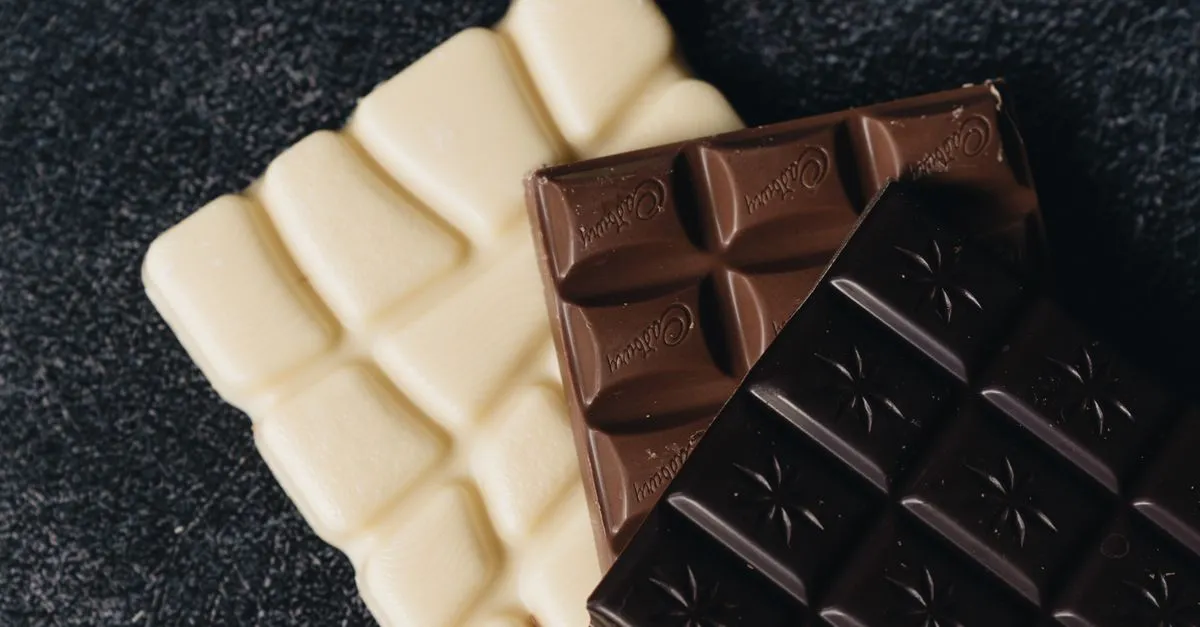
jayarrchocolate.comIowa State Extension gives approximate best-quality windows of two years for dark chocolate, one year for milk and six months for white. Formulation, packaging and exposure to heat, light and oxygen affect those windows; cacao percentage alone cannot predict shelf life.
Do not treat every filling alike. Fresh homemade cream ganache or fruit mixtures may need refrigeration, whereas commercial fillings can be formulated for low water activity and ambient storage. Barry Callebaut’s low-water-activity fillings demonstrate why the word “filled” or the absence of preservatives cannot tell you the storage requirement. Follow the maker or a validated recipe rather than assigning every truffle the same number of days.
Bloom, mold, or just stale? How to tell
Most “my chocolate went bad” panics are actually bloom — the harmless white or grey film that forms on the surface. Bloom comes in two forms. Fat bloom can involve fat migration and recrystallization, including changes in cocoa butter crystal form, poor temper or fats migrating from a filling; it looks like a grey, streaky, slightly oily haze. Sugar bloom happens when moisture condenses on the surface, dissolves sugar, and leaves a rough, matte, gritty crust behind. We cover the full mechanism — and how to prevent both — in our guide to fat bloom vs sugar bloom, including an interactive cross-section where you can cycle the storage conditions and watch bloom happen, which builds on the cocoa butter crystallography behind it. The one thing to remember here: bloom is a cosmetic defect, not spoilage.
Suspected mold is a reason to discard chocolate. Fuzzy growth is a warning sign, but mold is not always green, and rubbing a white patch away is not a reliable identification test. If you cannot distinguish the surface change confidently or the product has become wet or contaminated, do not taste it to decide.
Chocolate can also be stale or rancid: cardboard, old-nut or otherwise unpleasant odors can signal quality deterioration. Discard rancid chocolate; melting it into another recipe does not reverse oxidation. Our guide to diagnosing off-flavors explains the possibilities. Deliberate aging and resting of fresh craft chocolate is a controlled flavor choice, not a reason to retain spoiled or contaminated food.
Is old chocolate safe to eat?
Age alone does not make a correctly stored plain bar dangerous, and bloom itself is not a hazard. But low water activity prevents growth, not survival: Salmonella can be introduced by ingredients, equipment or handling at multiple points, including after roasting. Normal smell and appearance cannot rule out pathogens. FDA food-storage guidance distinguishes spoilage cues from safety.
For a recalled product, follow the recall instructions. For a cream- or fruit-filled product, follow its label and keep it refrigerated if directed. Treat homemade moist fillings as perishable unless their recipe and process establish otherwise; refrigeration does not create a generic one- or two-week safe life. FDA advises keeping refrigerated perishables at 40°F (4°C) or below and limiting room-temperature exposure to two hours, or one hour above 90°F (32°C). Our bean-to-bar food safety guide covers production and handling risks.
How to store chocolate the right way
Chocolate has two enemies: heat (which drives fat bloom) and moisture (which drives sugar bloom and, in fillings, actual spoilage). Good storage just keeps both away — and if you want the full playbook, our guide to how to store chocolate breaks down the ideal temperature for each type, the wrapping methods that work, and exactly when the fridge is the right call.
- Temperature: choose a consistently cool location and follow the manufacturer’s recommendation. Both sustained warmth and cycling can accelerate fat bloom; neither a single threshold nor an average temperature predicts every product.
- Humidity: keep the bar dry and well sealed. Around 50–55% relative humidity is a conservative home-storage target, not a condensation threshold. Condensation occurs when the surface is colder than the surrounding air’s dew point.
- Airtight and away from odors: cocoa butter is a fat and readily absorbs surrounding smells (garlic, coffee, spices). Wrap it and keep it sealed.
- Away from light: light and heat both accelerate the fat oxidation that makes chocolate go stale.
Should you refrigerate chocolate? Generally no. A fridge is humid, full of odors, and cold enough that removing the bar causes condensation to bead on the surface — the exact mechanism of sugar bloom. If your room is consistently above ~75°F and you must refrigerate (or freeze for long-term storage), the single most important rule is to wrap it airtight, then let it return to room temperature still sealed — until it has warmed through; timing depends on size and conditions — so the condensation forms on the packaging, not the chocolate. Thaw frozen chocolate gradually the same way: freezer → fridge → counter, sealed at every step.
When should you actually throw chocolate out?
What should I do with this chocolate?
Check the product and storage history before judging appearance
01 / Is it recalled, contaminated, moldy, or in damaged packaging?
02 / Does the filling require refrigeration, or is its storage history uncertain?
03 / Is it clearly ordinary fat or sugar bloom on otherwise properly stored chocolate?
04 / Does it smell rancid or otherwise unpleasant?
Low water activity limits growth but does not remove existing contamination. Do not taste suspect food to decide whether it is safe.
jayarrchocolate.comThrow chocolate out when it is moldy, contaminated, rancid or has a perishable filling that was mishandled. A clearly bloomed bar from a known safe product and sound storage history can be used for baking or melted; do not use baking to rescue a suspect bar.
Key takeaways
- Plain chocolate is usually shelf-stable, but low water activity does not make it sterile.
- Dark, milk and white bars have different typical quality windows; use the maker’s date and storage instructions.
- Bloom itself is harmless. A white patch does not automatically prove bloom or rule out contamination.
- Keep chocolate cool, dry, dark and sealed. If chilled, let a plain bar warm through while still sealed before opening.
- Commercial fillings and homemade fresh fillings need different storage decisions. There is no universal truffle shelf life.
Frequently Asked Questions
- How long does chocolate last past the expiration date?
- There is no universal safe extension. For plain bars, a best-before date usually describes quality; unopened dark, milk and white chocolate have approximate quality windows of two years, one year and six months under suitable storage. Follow the actual package instructions and consider recalls, packaging and storage history. Filled products need their own guidance.
- Is it safe to eat chocolate with white stuff on it?
- Fat or sugar bloom itself is harmless, but not every white patch can be reliably identified by appearance or rubbing it away. If mold, wet storage or contamination is possible, discard the product rather than tasting it. Bloom does not override a recall or mishandled filling.
- Can old chocolate make you sick?
- Chocolate can carry pathogens even though its low water activity prevents their growth. Contamination is possible during production or handling, and it may not alter smell or appearance. Perishable fillings add other storage risks. Age and bloom alone do not determine safety.
- Does dark chocolate expire faster than milk chocolate?
- Plain dark chocolate often has a longer best-quality life than milk or white chocolate, but formulation and packaging matter. Cacao percentage is not a shelf-life test, and fillings or inclusions can change the storage requirement.
- How do you know if chocolate has gone bad?
- Discard moldy, rancid, contaminated or mishandled chocolate, and follow recall instructions. Check the label and storage history. Normal smell and appearance cannot prove safety, so do not taste suspect chocolate as a test. Melting does not make rancid or contaminated chocolate suitable again.
- Should you store chocolate in the fridge?
- A cool, dry cupboard suits most plain bars. If refrigeration is needed in hot conditions, wrap airtight and let the plain chocolate warm through while sealed before opening. Follow separate refrigeration instructions for fillings; do not leave a perishable filling out for hours simply to warm the chocolate shell.
Sources: Iowa State Extension’s quality estimates, Callebaut’s storage guidance, and FDA food-storage guidance. Reviewed September 25, 2026.