Chocolate is more sensitive to its surroundings than most people realize. The cocoa butter that gives a bar its snap and clean melt is a crystalline fat, and that crystal structure responds to temperature, humidity, light, and even nearby odors. Store chocolate badly and you get white streaks, a sticky surface, a waxy mouthfeel, or stale flavor — which can be quality defects, though appearance alone cannot establish safety. Discard chocolate that is moldy, contaminated or rancid, and follow any recall instructions.
The good news is that good storage is simple once you know what you are protecting: the Form V cocoa butter crystals that a well-made bar is built on. Storage also limits moisture uptake, oxidation and odor transfer; preserving crystal structure is only part of the task. (If your real question is whether an old bar has actually gone off, start with our pillar on whether chocolate goes bad, which covers shelf life by type and the difference between “degraded” and “unsafe.”)
The Ideal Temperature Range
Cool, steady conditions help preserve plain chocolate. Callebaut recommends 12–18°C (54–64°F) for pure chocolate. Iowa State Extension offers a warmer home-pantry range. These are quality recommendations for different settings, not competing safety thresholds.
Storage Decisions by Chocolate Type
The product label and filling matter more than a universal type-specific rule
| Type | 01Practical approach | 02What to watch |
|---|---|---|
| Plain dark | Cool, steady, dry storage; follow the maker | Heat, moisture, odors and packaging damage |
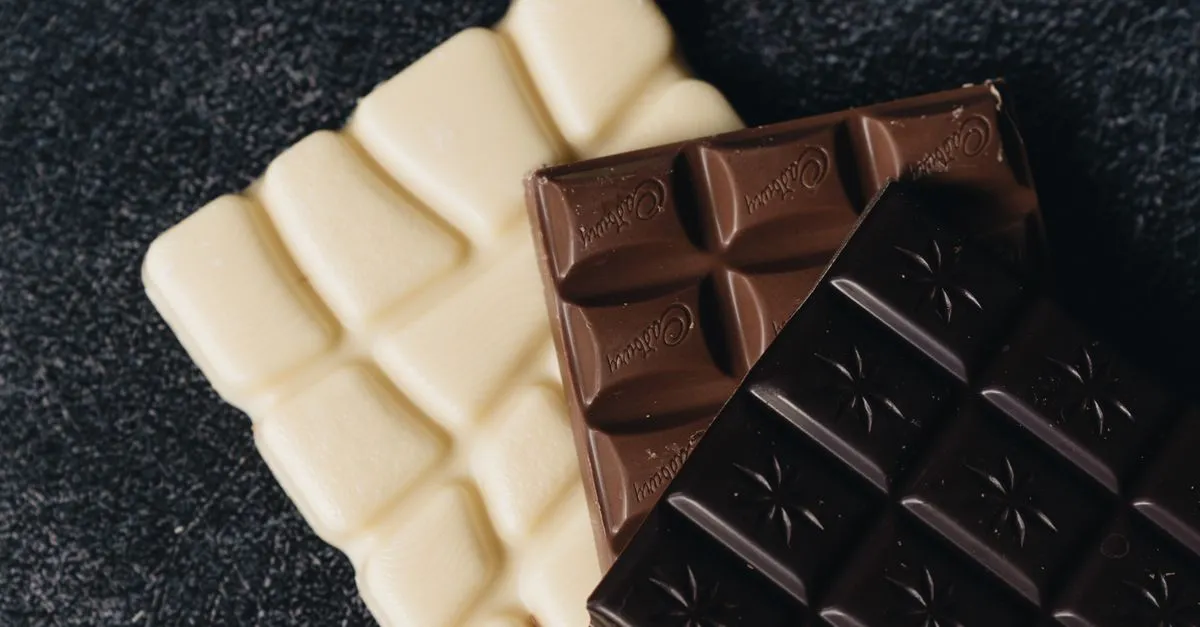
| Plain milk / white | The same basic controls; check the product recommendation | Oxidation and formulation-specific softening |
| Nut or other dry inclusions | Follow the finished product’s date and directions | Filling fats may migrate; nuts can become rancid |
| Moist homemade fillings | Refrigerate unless shelf stability has been validated | Use recipe-specific holding limits; chocolate shell is not preservation |
| Commercial filled chocolates | Follow the manufacturer’s storage instructions | Some are designed for ambient storage; others are perishable |
A storage target is not a melting point or a safe-life guarantee. There is no universal requirement to store milk and white bars exactly two degrees cooler than dark.
jayarrchocolate.comAvoid sustained heat and large temperature swings: both can accelerate fat migration. There is no universal switch at 25°C that turns all Form V cocoa butter into Form VI. Chocolate is a mixture whose melting behavior depends on composition and temper, and bloom can also arise from poor temper or filling fats. Likewise, an average temperature alone cannot prove that one storage history is better than another. A comparison of constant 20°C with cycling between 15°C and 22°C would need measured results; the midpoint of those endpoints is 18.5°C.
Humidity: The Silent Enemy
A dry environment and moisture-resistant packaging help prevent sugar bloom. Around 50–55% relative humidity is a conservative home target; Callebaut’s professional guidance uses a maximum of 70%. Neither is a universal condensation boundary. Condensation depends on whether the chocolate surface is below the surrounding air’s dew point, not on crossing 55% humidity. Moisture can dissolve surface sugar, which later recrystallizes into a gritty coating.
This is the real reason the refrigerator is usually the wrong choice. A cold bar exposed to sufficiently warm, moist room air may collect condensation on its surface. That water dissolves surface sugar, which dries into bloom. The humidity problem, not the cold itself, is what damages refrigerated chocolate.
Light and Odor: Two Underrated Threats
Light triggers photo-oxidation of cocoa butter, breaking down fatty acids into stale, cardboard-like off-flavors. The extent depends on the fat blend, antioxidants, packaging and exposure; do not use milk-fat content alone to predict keeping quality. Store chocolate in opaque packaging or a dark cupboard, away from windows and fluorescent light.
Cocoa butter also absorbs odors readily — the same fat that melts so cleanly on the tongue acts like a sponge for volatile compounds in the air. Store chocolate near onions, garlic, coffee, cleaning products, or strong spices and those aromas will migrate into the bar. Professional makers keep storage rooms scrupulously odor-free for exactly this reason; at home, a sealed container in a cupboard that does not share air with strong smells is the minimum.
Wrapping Methods That Actually Work
The wrapper is your barrier against all three threats at once — humidity, odor, and light. The original packaging from a craft maker (a foil-lined inner wrap with an outer paper sleeve) is usually well designed for this. Once you open a bar, rewrap it properly:
- A practical option: foil plus a sealed bag or container. Foil helps block light, and a well-sealed outer package reduces moisture and odor exposure. Check for gaps and tears; no wrapper compensates for sustained heat.
- Good: parchment or beeswax wrap inside an airtight container. The wrap prevents direct contact with the container walls while the container controls humidity and odor. Use a clean, odor-free, food-safe container with a sound seal; glass, glazed ceramic or suitable food-storage plastic can work.
- Do not rely on loose wrapping. Thin film alone may provide less protection from light or odors, but plastic is not inherently unsuitable. Package dry chocolate with an effective seal and an outer light barrier when needed.
For a larger collection, a temperature-controlled cabinet may help. Check its actual temperature and humidity: a wine cooler does not necessarily control humidity, and the bars still need suitable packaging. If you are deliberately aging craft chocolate rather than just preserving it, that is a different exercise with different parameters, covered in our aging and resting guide.
Should You Refrigerate or Freeze Chocolate?
For most people in a temperate climate, the answer is no — a cool, dark cupboard away from the stove is all you need. Refrigeration is useful when the product or your storage conditions call for it:
- Consider refrigeration for plain bars if the room is persistently hot and you have no suitable cool storage. Good packaging and sealed warming reduce condensation risk; there is no universal ranking of heat bloom versus sugar bloom.
- A cool cupboard is usually sufficient for plain bars when it meets the maker’s storage guidance. There is no hard 22°C cutoff.
- Follow the filling’s requirements. Refrigerate homemade fresh-cream or moist-fruit confections unless their shelf stability is established. Commercial fillings can be formulated for ambient storage, as Barry Callebaut’s low-water-activity range illustrates. A name such as truffle does not determine the safe storage method.
If you do refrigerate or freeze, the single most important rule is to wrap a plain bar airtight, then let it warm through while still sealed before opening. Frozen bars can thaw in the refrigerator first. The time depends on the size and room conditions. This limits contact between a cold surface and moist air. For perishable fillings, prioritize FDA cold-storage guidance: keep refrigerated at 40°F (4°C) or below, and do not leave them out beyond two hours, or one hour above 90°F (32°C), just to warm the shell.
Bloom Is a Quality Defect
If your chocolate develops a white or grey film, it may have bloomed. Bloom itself is harmless, but a white patch does not establish that the entire product is safe, and bloom can result from manufacturing as well as storage. Typical surface clues are: fat bloom feels smooth and slightly greasy, while sugar bloom feels rough and gritty, like fine sand. The full mechanism — why cocoa butter migrates and how to prevent both types at the source — lives in our guide to fat bloom vs sugar bloom — where you can watch bloom migrate through a bar under the storage conditions you choose — which builds on the underlying cocoa butter crystallography.
For otherwise suitable plain chocolate with fat bloom, melting and re-tempering can restore a better crystal structure. Sugar bloom is different: coarse recrystallized sugar and moisture damage may remain after re-tempering, so it may be better suited to a recipe that dissolves the sugar. Neither process restores rancid flavors or makes contaminated chocolate safe. Use bloomed chocolate in baking only when the product is otherwise sound; discard it if mold or contamination is suspected.
Key Takeaways
- Keep plain chocolate cool, dry, dark and well sealed; follow the maker’s directions.
- Avoid both sustained warmth and large temperature swings. There is no universal 25°C crystal switch.
- Moisture control depends on packaging and dew point, not a single relative-humidity threshold.
- Use a clean, dry, food-safe container with an effective seal; suitable plastic is an option.
- Let chilled plain bars warm through while sealed, and follow separate safety limits for perishable fillings.
Frequently Asked Questions
- What is the best temperature to store chocolate?
- Callebaut recommends 12–18°C (54–64°F) for pure chocolate. Home-pantry recommendations can be somewhat warmer. Use the maker’s instructions, keep the temperature steady and avoid sustained heat. There is no universal rule requiring milk or white bars to sit exactly two degrees cooler than dark, or a hard melting switch at 25°C.
- What is the best container for storing opened chocolate?
- Use clean, dry, odor-free food-safe packaging with a good seal and protection from light. Foil inside a sealed bag or container is practical. Glass, glazed ceramic or suitable food-storage plastic can work; the seal and cleanliness matter more than declaring one material always best.
- Should you store chocolate in the fridge?
- Most plain bars keep well in a suitable cool cupboard. In a hot home, refrigeration can help: seal the bar well and let it warm through while still sealed before opening. Follow product-specific directions for filled chocolates and cold-storage limits for perishable homemade fillings.
- Can I store different types of chocolate together?
- Individually wrapped plain bars can share a clean container if they need the same storage conditions. Strongly flavored bars may transfer aromas through inadequate wrapping. Filled products may have different refrigeration requirements, and shared storage must also respect any allergen cross-contact needs.
- How do I keep chocolate from turning white?
- Good temper, cool stable storage and protection from moisture reduce bloom risk. Condensation depends on dew point, not simply on humidity rising above 55%. Fat bloom can often be improved by melting and re-tempering otherwise sound chocolate; sugar bloom may leave coarse sugar texture. Do not assume an uncertain white patch is harmless or use re-tempering to rescue contaminated food.
Sources: Callebaut storage guidance, Iowa State Extension, and FDA food-storage guidance. For quality windows and safety distinctions, see Does chocolate go bad?. Reviewed September 25, 2026.