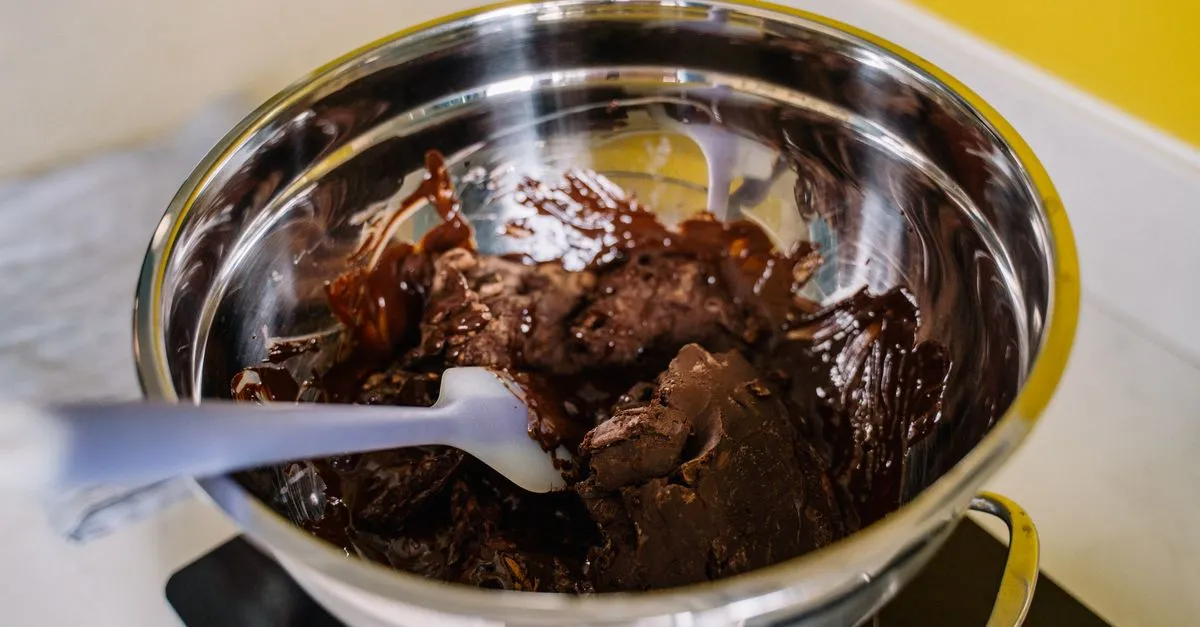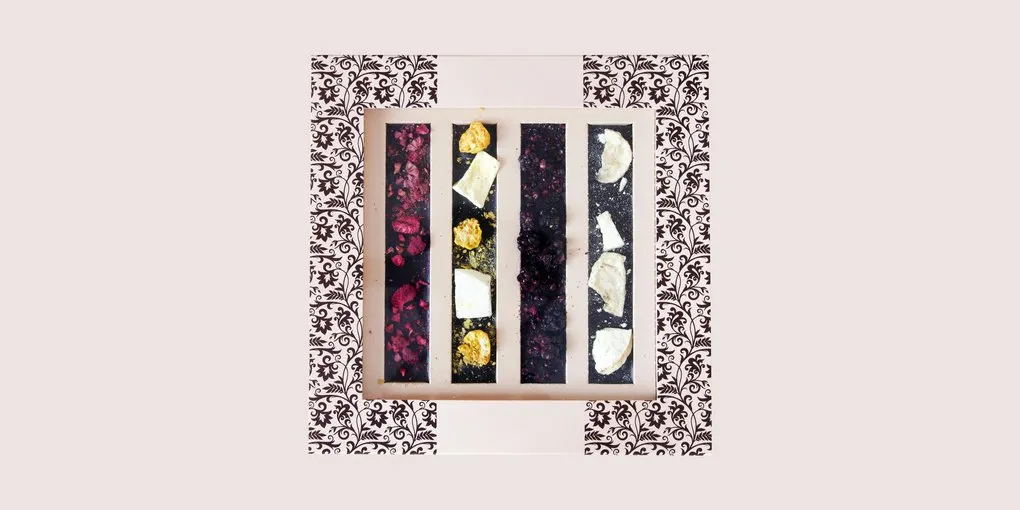
American craft chocolate is interesting because its makers make different choices. A minimalist dark bar, an inclusion-filled milk bar, and a deliberately textured chocolate can all be made from beans. There is no single American recipe, machine, or flavor profile that defines the category.
Nor did American chocolate begin with today’s small makers. Guittard, for example, traces its San Francisco business to 1868. The recent craft scene belongs within a longer history of manufacturers, chocolatiers, growers, and consumers. Treating the previous century as one company’s monopoly erases that history. Guittard’s company history
This is a selective regional guide, not a census or a ranked tasting panel. Maker and retailer information was checked on September 26, 2026. A working shop page is a useful shopping lead, but it does not guarantee that a particular bar is in stock or that a factory welcomes walk-ins. Historical profiles appear separately so an old article does not become an accidental recommendation to buy from a business that has stopped making bars.
What Bean-to-Bar Tells You
The useful distinction is between making chocolate from cacao beans and making a confection with already-made chocolate. A chocolatier can do highly skilled work with purchased couverture; a bean-to-bar maker is responsible for turning beans into chocolate. Some businesses do both.
That distinction does not establish a universal, legally standardized checklist for every maker’s equipment or business arrangements. Ask what a particular company actually does. Roasting is common, but Raaka deliberately makes unroasted chocolate. Grinding and conching equipment also vary. A granite-roller melanger is one option, not a membership requirement.
Fermentation and drying generally happen before beans reach an American factory. A maker may select lots, specify requirements, collaborate with producers, or work through an importer. That is different from personally controlling every farm and fermentation decision. Askinosie’s direct-trade account, for example, describes collaboration with farmer partners and its own profit-sharing model. Those are the company’s reported practices, not an independent impact assessment in this guide.
Two-ingredient dark chocolate is one recognizable style. Dandelion and Woodblock describe bars built around cacao and sugar. But added cocoa butter, milk, vanilla, or inclusions do not automatically make another maker less serious. Neither a short ingredient list nor a high percentage proves better flavor or more ethical sourcing. See the bean-to-bar beginner’s guide and cacao percentage explainer for the process and label distinctions.
Current Makers at a Glance
These businesses had maker information and shopping or visiting pages available when checked. Locations identify the business, not where all of its cacao is grown. The table is a starting list rather than a claim that these are the best or the only U.S. makers.
U.S. Bean-to-Bar: A Regional Starting List
Maker information checked September 26, 2026; verify stock and visits directly
| Maker | 01Location | 02What to explore |
|---|---|---|
| Dandelion | San Francisco, CA | Two-ingredient dark bars; sourcing and process education |
| Taza | Somerville, MA | Oaxacan-inspired stone-ground chocolate |
| Askinosie | Springfield, MO | Origin bars and the maker's direct-trade reporting |
| Fruition | Shokan, NY | Dark and milk bars; Catskills shop and café |
| French Broad | Asheville, NC | Bars, confections, factory café, and chocolate lounge |
| Olive & Sinclair | Nashville, TN | Stone-ground chocolate made with brown sugar |
| Castronovo | Stuart, FL | Origin bars and the founder's conservation interests |
| Dick Taylor | Eureka, CA | Bean-to-bar production and single-origin bars |
| Raaka | Brooklyn, NY | Unroasted chocolate and rotating recipes |
| Ritual | Heber City, UT | Origin bars, inclusions, and a factory café |
| Mānoa | Kailua, HI | Hawaiian-grown and international cacao origins |
| Woodblock | Portland, OR | Two-ingredient bars and a factory café |
A directory, not a quality ranking. Check the exact product's ingredient and allergen information; a maker's style does not describe every item it sells.
jayarrchocolate.comOur Tasting Room has brand pages linked below. Its numerical ratings are site editorial data; this directory does not independently verify the underlying bar-by-bar testing or score calculations. Use the maker’s current product page to confirm ingredients, origin, availability, and price.
A Regional Tour
Northeast
Taza, Somerville, Massachusetts. Alex Whitmore and Kathleen Fulton founded Taza in 2005 after Whitmore’s encounter with stone-ground chocolate in Oaxaca. That Mexican influence is central to its account of the business. Explore the textured products if that is what interests you, but read each product description: a brand’s founding style is not a guarantee that everything in its changing range has the same texture. Taza’s story
Fruition, Shokan, New York. Bryan Graham and Dahlia Rissman Graham opened Fruition in 2011. Its own history places the beginnings in a converted Shokan space, and its current site lists a shop and café at 3091 Route 28. The range offers another way into craft chocolate for someone who wants milk chocolate as well as dark bars. Award totals are less useful for choosing a gift than the recipient’s preferences and the exact bar available. Fruition’s origin story and current shop
Raaka, Brooklyn, New York. Raaka identifies its factory with Red Hook and its chocolate with unroasted cacao. Its process page also describes fermentation and drying before the beans arrive. “Unroasted” therefore does not mean untouched cacao, and it is not a guarantee that every bar tastes fruitier than every roasted chocolate. Compare particular recipes if the processing difference interests you. Raaka’s story and process
Southeast
French Broad, Asheville, North Carolina. French Broad offers bars and confections as well as places to eat and learn about chocolate. For a visit, distinguish the Chocolate Lounge at 10 South Pack Square from the Factory & Café at 821 Riverside Drive. The Buxton Avenue factory in older accounts is part of its history; the company’s story records the move to its larger factory in 2018. Check the current locations page before booking a tour or heading to a café. Locations and company history
Olive & Sinclair, Nashville, Tennessee. The maker describes its approach as roasted, stone-ground chocolate made with brown sugar and dates the business to 2007. That is a concrete recipe choice to explore alongside white-sugar dark bars. It does not establish a universal Southern chocolate style or predict exactly how every product will taste to you. Olive & Sinclair
Castronovo, Stuart, Florida. Founder Denise Castronovo’s own account connects an ecology background with an interest in cacao origins and conservation. The company dates its Stuart chocolate factory to 2013. These are useful reasons to read its origin stories, while claims about environmental outcomes still need evidence beyond a brand mission. We have not ranked its award record against every other American maker. About Denise
Midwest
Askinosie, Springfield, Missouri. Askinosie’s factory is on East Commercial Street. Its origin bars and published descriptions of relationships with cacao producers make it a useful starting point for readers interested in sourcing. The company reports sharing profits with farmer partners. Read that as a specific company program, not proof that all “direct trade” businesses follow the same model or that a retail price tells you a farmer’s income. Factory and founder information
Patric belongs in the history of Missouri craft chocolate, but it is no longer a current bar-shopping recommendation; see the status notes below.
Mountain West
Ritual, Heber City, Utah. Ritual’s current locations page lists its factory and café in Heber City. Its story includes Anna Seear and Robert Stout and a business that began in 2010, with earlier chapters elsewhere. Use the current location rather than an old Denver or Park City listing when planning a visit. Explore the actual product range rather than treating “Utah chocolate” as a single flavor style. Locations and team history
Amano is another Utah name readers may encounter. Its Ocumare milk chocolate page illustrates why milk and added cocoa butter cannot be excluded from an American craft definition. That specific listing was out of stock when checked; it is an example of formulation, not a promise that you can order the bar now.
Pacific Coast
Dandelion, San Francisco, California. Dandelion describes making two-ingredient bars in San Francisco since 2010 and also offers confections, cakes, and drinks. The two-ingredient description applies to the relevant bars, not to every café item. Nor is every bar automatically 70%. Read the label of the origin and percentage you choose. Its book, Making Chocolate, is a useful route into sourcing and production, without needing to call it the industry’s single authoritative text. Dandelion’s story
Dick Taylor, Eureka, California. Adam Dick and Dustin Taylor describe bringing backgrounds in woodworking and boat building to chocolate making. Their business began in 2010 and is now based in Eureka. The connection is part of their own account of craft; it is not evidence that their molds or bars are objectively more beautiful than anyone else’s. Dick Taylor’s account
Woodblock, Portland, Oregon. Charley and Jessica Wheelock describe starting Woodblock in 2010, making two-ingredient chocolate, and operating a factory café in Portland’s Irvington neighborhood. It is another option for comparing origin bars while holding a simple ingredient list relatively constant. Different percentages and production choices still prevent that from becoming a controlled test of growing location alone. Woodblock’s story
Hawaiʻi
Mānoa, Kailua, Hawaiʻi. Mānoa’s cacao page describes Hawaiian farm relationships alongside international sources, including Costa Esmeraldas in Ecuador, Semuliki Forest in Uganda, and Zorzal in the Dominican Republic. A bar made in Hawaiʻi is therefore not necessarily made from Hawaiian-grown cacao. Look for the named farm or origin on the product. That distinction is more useful than a sweeping claim about every bar the company makes. Mānoa’s cacao sources
Business Changes and Historical Names
Old directories can preserve useful history while giving bad shopping advice. These entries should not be mixed into a current “buy these bars” list:
- Patric: Alan McClure’s Patric Development site states that Patric no longer manufactures chocolate. His work now includes product development and consulting. An old Patric bar review does not establish a current direct-purchase option. Patric Development’s published notice
- Solstice: Specialist retailer Caputo’s states that Solstice stopped operating in 2024. Older pages and product descriptions may remain online; they do not prove current production. Caputo’s Solstice page
- Rogue Chocolatier: Colin Gasko’s role is documented in the 2017 Cacao of Excellence panel. We have not verified a current store for that business. Do not assume another company with “Rogue” in its name is the same maker.
- Map Chocolate: Its 2026 Cacao Barista offering describes a move away from full-time bar production toward drinking chocolate and a mail club. Check the present offering rather than an old collectible-bar recommendation. Map’s 2026 club
- Cacao Atlanta: Its shop announces a Fall 2026 transition to Haus of Cacao with Kristen Hard and Caline Jarudi. That is a company announcement, not a reason to declare the business permanently closed or to assume every new offering has launched. Current shop announcement
Ownership also needs separate treatment from production style. Glico announced its agreement to acquire TCHO in 2018. A brand can retain a recognizable chocolate-making approach after an acquisition, but describing it as an independent small business requires a current ownership check. Glico’s announcement
Pittsburgh and Pennsylvania Chocolate
A regional chocolate scene includes specialist retailers and educators as well as factories. In Pittsburgh, Mon Aimee Chocolat is a retailer at 2101 Penn Avenue in the Strip District. Its shop carries chocolates from multiple producers. That makes it a place to explore the category, not evidence that all the chocolate it sells is manufactured in Pennsylvania. Mon Aimee’s shop and address
Estelle Tracy of 37 Chocolates, based in Kennett Square, describes beginning a project in 2015 to try 37 U.S.-made chocolates for her 37th birthday. Her writing and interviews help document makers and introduce readers to tasting. We do not need an unverified total number of events or a claim about Pennsylvania’s commercial growth to explain that contribution. Tracy’s account
Dulcinea Craft Chocolate and Laurie Rice
Dulcinea is a historical Pennsylvania maker, not a current shopping link. In a March 2016 interview, Laurie Rice discussed making chocolate in Beaver, near Pittsburgh, and described the experiences and training that led her into the work. The interview now carries an editorial notice that Dulcinea is no longer in business. It does not establish an exact closure date.
That record supports remembering a specific maker without inventing a current catalog, an operating timeline, or a claim that the brand represented every woman in craft chocolate. Read the original interview with Laurie Rice for her own account.
Women in American Craft Chocolate
Founder stories in this guide include Denise Castronovo, Kathleen Fulton, Dahlia Rissman Graham, Anna Seear, and Jessica Wheelock, alongside the historical Dulcinea profile. Their roles are documented by the businesses and interviews linked above. They are not evidence for a numerical claim about the industry’s gender balance.
Megan Giller’s 2016 Chocolate Noise roundup is explicitly an incomplete list of women makers. It is useful as a dated historical record, not as a current directory. Some businesses named in older coverage have since changed focus or stopped producing bars.
Writing, education, judging, retailing, farming, and manufacturing are distinct contributions. For example, the International Institute of Chocolate and Cacao Tasting identifies historian, chef, and author Maricel Presilla among its founders. That role does not make her a bar manufacturer. Keeping those distinctions clear produces a better history than forcing every contributor into one category. Institute partners
Where to Buy American Craft Chocolate
Buying directly is useful when you want a particular maker’s current release or need to ask about ingredients. It is not automatically the cheapest or freshest route, and we have not measured how each purchase is divided among makers, intermediaries, and farmers. Check shipping dates, weather policies, and the final checkout total.
Specialist retailers let you compare makers in one order. Bar & Cocoa, Caputo’s, and The Meadow are starting points. Mon Aimee provides a Pittsburgh option. Assortments change; a retailer may also carry confections or chocolate made outside the United States. Filter by maker and product rather than assuming every item fits this guide.
International retailers such as Cocoa Runners may offer additional choices. Verify delivery to your country and the total shipping and import charges at the time of order. An old shipping anecdote is not a reliable guide to today’s checkout.
Chocolopolis needs a historical qualification: founder Lauren Adler announced the closure of its Seattle retail store in July 2020 and discussed continuing chocolate education. Do not use an old shop address or inventory recommendation as if that store remains open. The founder’s closure announcement
Subscriptions can introduce variety, but compare the number and size of bars, frequency, term, shipping, and whether the recipient enjoys experimentation. A maker’s own subscription and a retailer’s mixed-maker club serve different purposes. See our craft chocolate subscription guide for questions to ask before committing.
Choosing a First Order
Start with the recipient’s preferences: dark or milk, smooth or textured, plain or flavored. A demanding high-percentage bar is not a compulsory initiation into craft chocolate. Read the exact ingredient list and allergen statement; the words “dark,” “craft,” and “bean-to-bar” do not guarantee dairy-free or nut-free handling.
For a useful comparison, choose two bars with a similar percentage and ingredient list, then note differences in aroma, sweetness, acidity, bitterness, texture, and finish. Even then, different genetics, post-harvest handling, recipes, and processing mean that you are comparing finished bars, not isolating a country’s flavor. Our guides to reading labels and single origins versus blends explain the limits of those terms.
Record your own preferences before looking at a score. A rating can suggest what to explore, but it cannot tell you what you must enjoy. The tasting guide offers a repeatable way to take notes, and the history of chocolate places contemporary makers within a much longer tradition.
Frequently Asked Questions
Frequently Asked Questions
- How many American bean-to-bar makers are there?
- This guide does not establish a current national count. Definitions vary, and businesses open, close, change ownership, or shift away from bars. It provides a selective, dated directory rather than repeating an unsupported 200-plus total.
- Does American bean-to-bar chocolate have only two ingredients?
- Some makers specialize in cacao-and-sugar bars, but milk, added cocoa butter, vanilla, and inclusions also appear in American craft chocolate. Read the exact bar's ingredients; two ingredients are a style, not a universal definition or a quality guarantee.
- Is Dulcinea Craft Chocolate still in business?
- The published interview with founder Laurie Rice now includes a notice that Dulcinea is no longer in business. This guide treats it as a historical Pennsylvania maker and does not assign an unverified closure date.
- Are all Mānoa bars made with Hawaiian-grown cacao?
- No. Mānoa describes Hawaiian farm relationships and international cacao sources. Check the origin of the particular bar rather than treating its Hawaiian manufacturing location as the growing location.
- Where should I buy American craft chocolate?
- Start with the maker's current store or a specialist retailer and compare the exact product, shipping policy, and checkout total. Current stock and factory visiting arrangements need a direct check; historical maker profiles are not shopping recommendations.