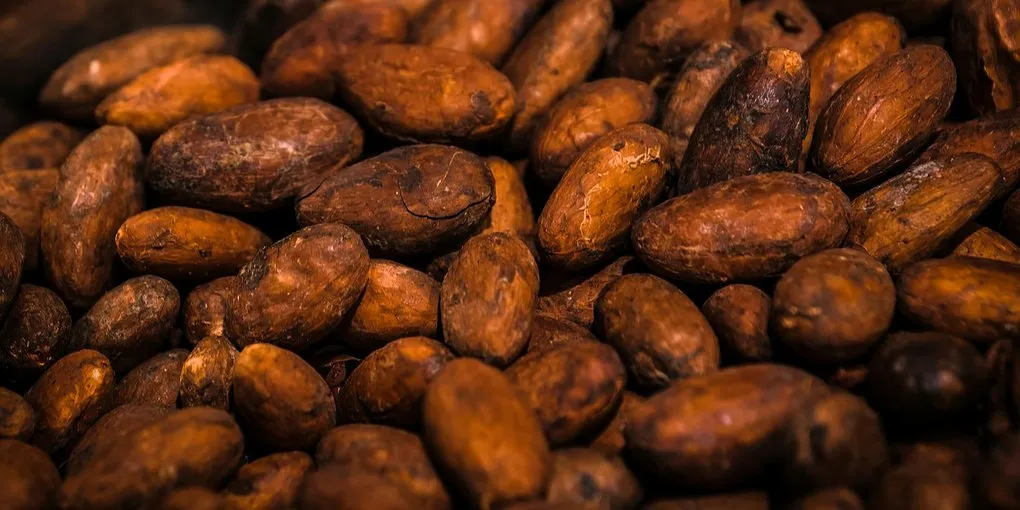
The Behmor 2000AB is the standard home cocoa bean roaster. It runs on the P1 profile for cacao, targets an end-of-roast bean temperature of 254 to 262°F, and holds 2 to 2.5 lbs per batch. The primary end-of-roast cue is aroma — an acrid or harsh smell means stop immediately, regardless of what the timer or temperature reads. This guide covers the complete setup, the three-phase framework for cacao, and how to develop a repeatable profile for each origin you work with.
Why the Behmor Works for Cacao
The Behmor was designed for home coffee roasting but translates well to cacao because the basic requirements are the same: a controlled drum environment, consistent heat application, chaff containment, and the ability to monitor and respond to the roast in progress.
The drum roaster format gives cacao several advantages over oven roasting. The closed chamber keeps chaff contained — cacao produces significant chaff that scatters badly in an open oven. The rotating drum provides more even heat exposure than a static tray. And the Behmor’s chamber design allows you to use aroma as a primary roast cue, which is the most reliable indicator of roast completion for both coffee and cacao.
The alternative — home oven roasting at 325°F for approximately 30 minutes — works but is, as Nanci puts it, unreliable. Oven temperature variation and the difficulty of using aroma cues from a closed oven make the Behmor a significantly better tool for consistent results.
Before You Start: What You Need
Equipment:
- Behmor 2000AB
- Scale accurate to 1 gram
- Probe thermometer (for checking bean temperature, not critical during roasting but useful during development)
- Timer (phone timer works fine)
- Sheet of paper for recording your profile
Your beans: Beans should have been dried to 6 to 8% moisture for shipping quality. If you are working with freshly arrived beans, weigh them and set aside — initial moisture content affects your Phase 1 time significantly.
Load size: Use 1 to 1.5 lbs for your first several batches. The Behmor’s capacity is 2 to 2.5 lbs, but loading at 60 to 70% capacity gives you more control and more consistent results while you are developing your profiles. Once you know a profile well, fill closer to capacity.
The P1 Profile
The Behmor’s P1 profile is the only one to use for cacao. P2 through P5 are designed for coffee roasting patterns that do not match cacao’s chemistry. P1 runs a consistent heat application that allows you to control the roast by time — the key variable you manage is when you stop the machine, not which profile buttons you press.
Set the machine to P1. Select your weight (use the closest option to your actual load). Press Start. From here, your role is to monitor aroma and time.
The Three Phases Applied to the Behmor
Nanci’s three-phase framework applies directly to the Behmor, though the Behmor measures environmental temperature rather than bean temperature:
Phase 1 — Drying (ambient to 212°F bean temperature): This phase should take 8 to 20 minutes. In the Behmor, you are not measuring bean temperature directly, so use time as your proxy: at 1 to 1.5 lb loads, Phase 1 typically takes 10 to 15 minutes. No flavor chemistry is happening; you are removing moisture from the beans. Do not rush this phase.
Phase 2 — Development (212°F to 232°F bean temperature): This phase takes 2.5 to 5 minutes in Nanci’s framework. In the Behmor, you will notice the beans beginning to smell more intensely chocolate-like rather than just damp and nutty. A faster transition through this phase (2.5 to 3.5 minutes) emphasizes fruit and chocolate character. A slower pass (5+ minutes) reduces acidity.
Phase 3 — Finishing (232°F to end of roast): End-of-roast target is 254 to 262°F bean temperature. In the Behmor, finishing phase runs at a 5 to 6°F per minute ramp rate in the bean for 3 to 6 minutes. The critical cue is aroma. When you detect a harsh, acrid, or slightly burnt smell, stop immediately. The Behmor has a pause button — use it to stop the heat and initiate cooling.
Recording Your Profile
The profile notation “10/8/6 @ 256°F” means Phase 1 took 10 minutes, Phase 2 took 8 minutes, Phase 3 took 6 minutes, and the estimated end-of-roast bean temperature was 256°F. This shorthand makes it simple to compare profiles across batches.
Keep a roast log. For each batch record: origin, harvest year, load weight, P1 start to Phase 1 completion (in minutes), Phase 1 to first detectable aroma change (in minutes), aroma change to stop (in minutes), aroma notes at stop, final estimated EOR, and the total roast time. This log is essential for developing consistent profiles.
Developing a Profile for a New Origin
Every origin and even every harvest lot of the same origin may need a different profile. Dandelion Chocolate’s search space method provides the most systematic approach: roast three batches at three different stopping points — at first pop (the first audible cracking of beans), 2 minutes before first pop, and 2 minutes after first pop. Make chocolate from each batch using identical post-roast processing. Blind taste test.
Expect 9 to 16 total test batches to converge on an optimal profile. This process is time-consuming but there is no shortcut to understanding what a specific bean responds to.
The acetic acid boiling point is a relevant reference: acetic acid boils at 244.6°F. Roasting to at least 260°F helps drive off residual acetic acid from fermentation. If finished chocolate has a vinegary or sharp acidic note, consider a slightly longer roast.
Behmor 2000AB Plus Coffee Roaster
Chaff and Cleanup
The Behmor has a chaff tray under the drum that catches most of the husk debris from cracking beans during the roast. Empty this tray after every batch — accumulated chaff is a fire risk.
After each batch, remove the drum and the tray and rinse with warm water. The Behmor is not waterproof; do not submerge the main unit. The outer shell wipes clean with a damp cloth.
Cacao leaves an oily residue inside the Behmor chamber over time. This is normal. The oils are cocoa butter from the nibs and do not create any safety issue, but a periodic wipe-down of the interior surfaces keeps the machine running cleanly.
After the Roaster: The Six-Hour Wait
The most important post-roast instruction is often skipped: wait at least 6 hours after roasting before cracking the beans. Overnight is preferable. Fresh-roasted beans are brittle in a way that makes clean cracking difficult and produces more bean dust than useful nib pieces. After resting, the beans firm up to an optimal consistency.
This wait also allows continued flavor development in the retained volatile compounds.
Common Roasting Problems
Uneven roast (some beans dark, some light): Load size may be too large for even drum tumbling, or the drum may need cleaning. Reduce load size and check for bean clumping in the drum.
Vinegary finished chocolate: Either the roast ended before the acetic acid was fully driven off (target at least 260°F bean temp) or insufficient conching time in the melanger. Adjust roast profile first; if the problem persists, extend melanger run time.
Flat, non-chocolate flavor: Check fermentation quality of your beans before assuming the roast is at fault. A cut test showing less than 75% brown cross-sections in the beans means under-fermentation, which no roast profile can fix.
Metallic off-note: A very fast temperature ramp in the finishing phase can produce metallic notes. Slow down Phase 3 and see if the note disappears.
For the full roasting context and origin-specific considerations, see our how to roast cacao beans guide. For what to do with the beans after roasting, see our cracking and winnowing guide. Once your nibs are ready for refining, our melanger comparison covers the machines that pick up where the Behmor leaves off.
Frequently Asked Questions
- Which Behmor profile should I use for cacao?
- Use P1 only. P2 through P5 are designed for coffee roasting patterns that do not match cacao's heat requirements and chemistry. P1 provides a consistent heat application that lets you control the roast by monitoring time and aroma, which are the primary variables for cacao.
- What is the end-of-roast temperature for the Behmor?
- The target end-of-roast bean temperature for the Behmor is 254–262°F using the P1 profile. The Behmor does not have a direct bean temperature probe, so you use aroma as the primary cue and time as a secondary indicator. An acrid or harsh smell means stop immediately.
- How much cacao can the Behmor 2000AB hold?
- The Behmor 2000AB holds 2–2.5 lbs of cacao beans per batch. For your first batches while developing a profile, load 1–1.5 lbs (60–70% capacity) for better control and more consistent results. Once you know a profile well, roasting closer to full capacity is fine.
- Why does my Behmor-roasted chocolate still taste vinegary?
- Acetic acid boils at 244.6°F. If the roast ends before reaching at least 260°F bean temperature, residual acetic acid from fermentation remains in the beans and carries through to the finished chocolate. Try a longer finish phase. If the problem persists, extend melanger conching time, which also drives off volatile acids.
- How do I know when to stop the Behmor roast?
- The primary cue is aroma. When you detect a harsh, acrid, or slightly burnt smell coming from the Behmor's vents, press pause immediately to stop heat and begin cooling. The specific end-of-roast temperature range (254–262°F) is the target, but aroma is the real-time indicator that overrides the timer.
- How do I develop a roast profile for a new origin on the Behmor?
- Roast three batches at different stopping points: at first pop, 2 minutes before first pop, and 2 minutes after. Make chocolate from each and blind taste test. Narrow the range based on results and repeat. Dandelion Chocolate's search space method typically requires 9–16 total test batches to converge on an optimal profile for a new origin.