Recipes
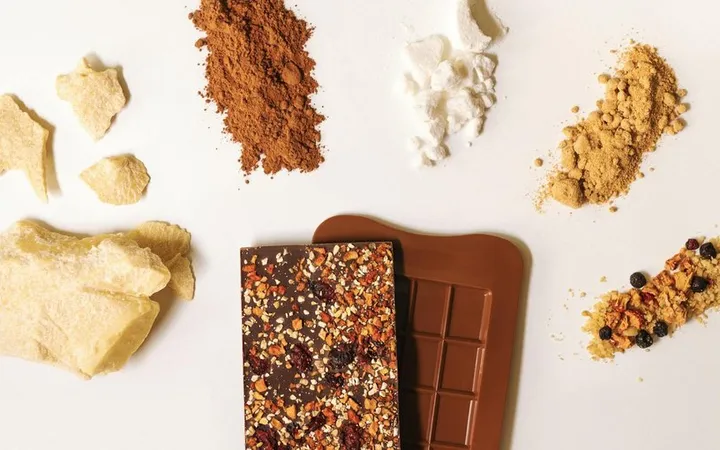
When and Why to Add Cocoa Butter to Chocolate
Cocoa butter reduces chocolate viscosity and adjusts texture. Learn when to add it, how much to use, and how it changes your recipe percentage and mouthfeel.
Cocoa butter reduces chocolate viscosity and adjusts texture. Learn when to add it, how much to use, and how it changes your recipe percentage and mouthfeel.
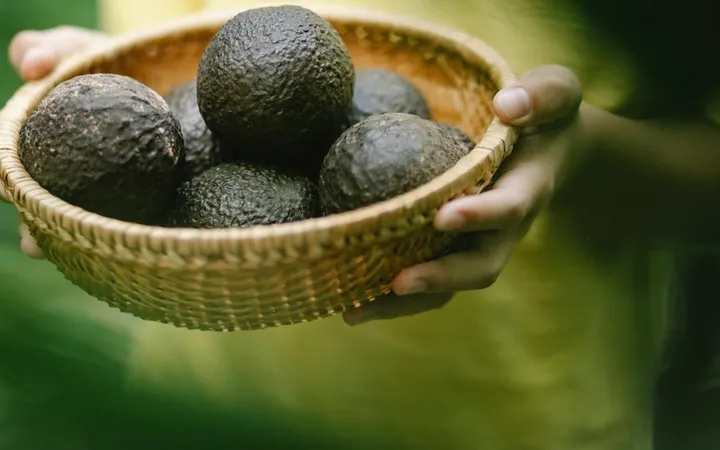
Roasted cacao nibs are a versatile cooking ingredient. Twelve tested uses from infused cream and nib brittle to mole, smoothies, and finished bar inclusions — plus nutritional profile and sourcing tips.
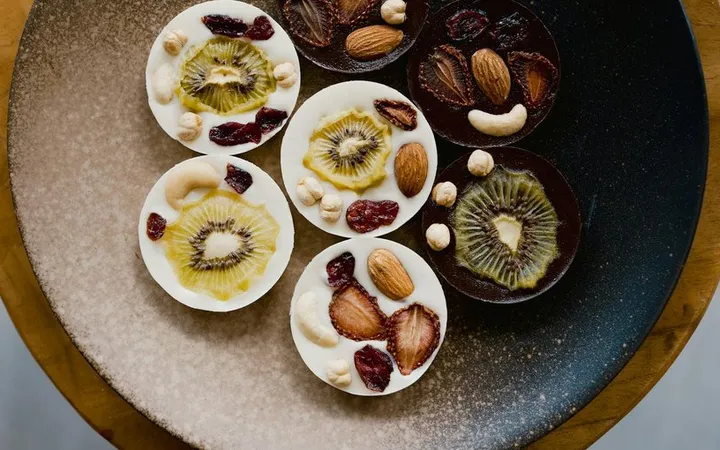
How to add inclusions to bean-to-bar chocolate — nuts, cacao nibs, dried fruit, salt, spices, and more. Covers timing, tempering considerations, and fat migration prevention.
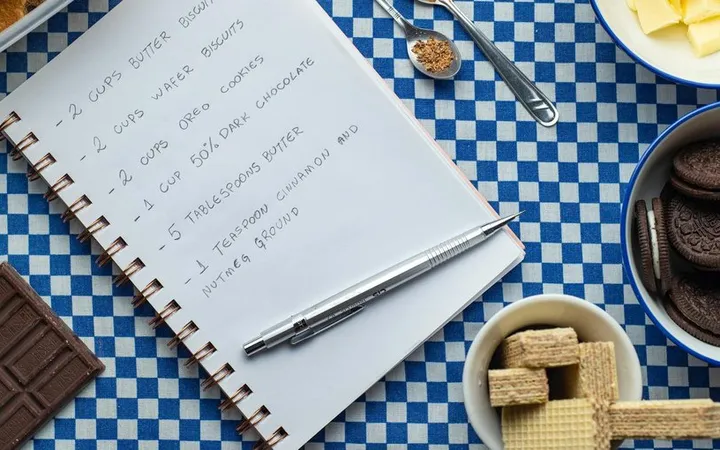
Learn to formulate chocolate recipes from cacao percentage to ingredient ratios. Covers the two-ingredient base formula, cocoa butter additions, milk, and lecithin.
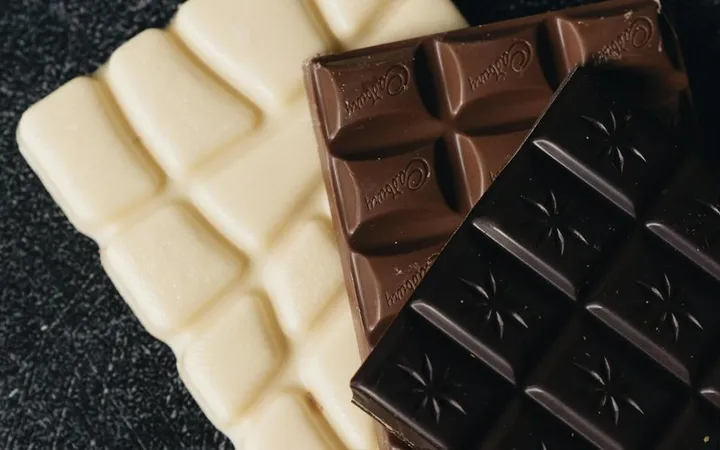
Five complete bean-to-bar dark chocolate formulations with exact weights, fat targets, and conching adjustments. From the minimal two-ingredient approach to a European-style bar with lecithin and a spiced variation.

Three drinking chocolate methods — Mesoamerican-style, European hot chocolate, and modern craft — using homemade chocolate or roasted nibs. Includes alkalizing basics for better water dispersibility.
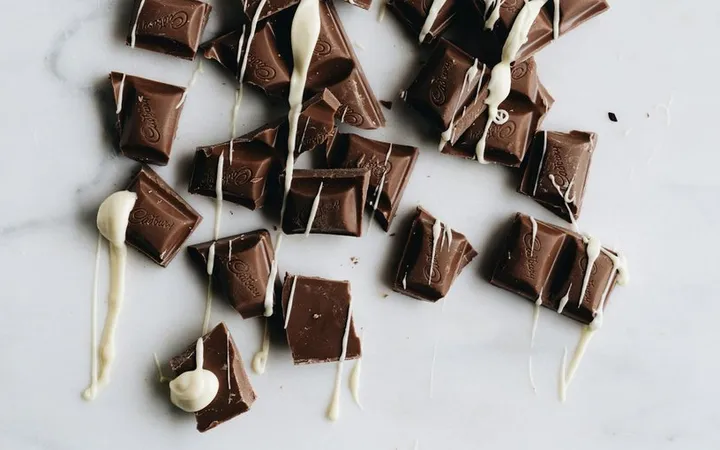
A complete guide to making milk chocolate at home using a melanger. Covers milk powder types, formulation ratios, tempering adjustments, and how to preserve milky flavor through lower conching temperatures.

A complete guide to making white chocolate at home using cocoa butter, milk powder, and sugar. Covers formulation, the bean-to-bar case for pressing your own butter, tempering at lower temperatures, and why white chocolate is the hardest to make well.