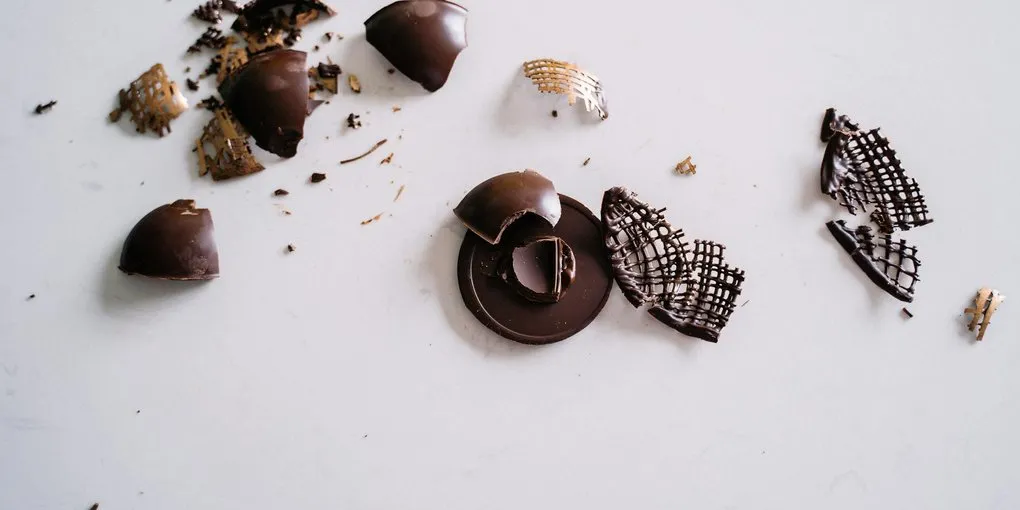
Chocolate is one of the safest foods you can make at home. The combination of low moisture, high fat, and high temperatures during processing creates an environment that is hostile to most pathogens. But “one of the safest” is not the same as “zero risk,” and understanding where the real hazards are — and are not — is part of being a responsible maker.
This guide covers the actual food safety considerations for bean-to-bar chocolate at home and small-batch scale. It is not designed to substitute for regulatory guidance if you are selling commercially, but it provides the factual foundation you need to make informed decisions.
Microbial Hazards: Salmonella Is the Real Concern
Unroasted cacao beans should be considered possibly contaminated with Salmonella and E. coli. This is not paranoia — it reflects the agricultural reality of fermentation on tropical farms, drying on open surfaces, and shipping in jute sacks that may have been stored in conditions that are not sterile.
However, context matters. Cacao beans are not “raw” in the way that raw chicken is raw. During fermentation, beans reach temperatures above 120 degrees Fahrenheit (some sources report peaks above 125 degrees Fahrenheit). The acidity drops to pH 4.0 to 4.5. These conditions reduce microbial loads significantly, though they do not guarantee sterility.
Roasting is your kill step. Bean-to-bar chocolate is inherently safe because roasting subjects the beans to temperatures of 250 to 270 degrees Fahrenheit (end-of-roast bean temperature in Nanci’s system) for 20 to 40 minutes. This is far above the temperature and time combinations required to destroy Salmonella, E. coli, and virtually all other pathogenic bacteria.
The practical implication: if you roast your beans properly (as you should for flavor reasons regardless), the microbial safety of your chocolate is not in question. The risk exists only for makers who skip or drastically under-roast — which would produce terrible-tasting chocolate anyway.
Post-roast contamination is the residual concern. Once beans are roasted and sterile, recontamination can occur through dirty equipment, contaminated water, handling with unwashed hands, or airborne contamination. The defense is basic kitchen hygiene: clean tools, dry environment, hand washing. Chocolate’s low water activity (below 0.65 for finished chocolate) prevents microbial growth even if a small number of organisms are introduced post-roast, but good practices remain important.
Heavy Metals: Cadmium and Lead
Cadmium and lead in cacao have become a significant regulatory concern. Both metals are naturally present in soils where cacao is grown, and the trees absorb them through their root systems.
Cadmium is the more common concern. South American soils (particularly in some regions of Ecuador and Peru) tend to have higher natural cadmium levels. The EU has set specific limits for cadmium in chocolate products, and California’s Proposition 65 has led to lawsuits against chocolate brands for cadmium content.
Lead contamination is more often associated with post-harvest processing than soil uptake. Lead exposure can occur during drying (on contaminated surfaces), storage, or shipping.
What home makers can do:
- Buy from reputable suppliers who test or can provide data on heavy metal levels.
- Diversify your origins. If one origin has elevated cadmium, rotating between several origins reduces cumulative exposure.
- There is no processing step that removes heavy metals from chocolate. If it is in the bean, it is in the bar.
- At the quantities consumed by most people (1 to 2 servings of dark chocolate per day), the risk is low but worth being aware of, particularly for children and pregnant women.
Mycotoxins: Aflatoxin and Ochratoxin
Mycotoxins are toxic compounds produced by fungi, primarily Aspergillus and Penicillium species. They can contaminate cacao beans that were inadequately dried or poorly stored.
Aflatoxins are waste products of Aspergillus flavus and A. parasiticus. They are carcinogenic at chronic low-level exposure. Dandelion reports that they have never found significant aflatoxin levels in beans they have tested, suggesting that the craft supply chain is generally clean. However, the risk increases with poor drying practices — if beans are above 8% moisture during storage, fungal growth (and mycotoxin production) becomes possible.
Ochratoxin A (OTA) is produced by A. ochraceus and Penicillium species. It can form during drying and storage when conditions are warm and humid.
What home makers can do:
- Buy beans with moisture content of 6 to 8% (the standard shipping range). Beans above 8% are a red flag.
- Inspect beans on arrival. Visible mold is obvious, but mycotoxins can be present without visible signs. If a batch smells musty or off, reject it.
- Store beans in dry, cool conditions. Do not create the warm, humid environment that fungi need to produce mycotoxins.
- Roasting reduces but does not eliminate mycotoxins. Prevention through proper sourcing is more effective than processing.
Polycyclic Aromatic Hydrocarbons (PAHs)
PAHs are chemical contaminants that form during incomplete combustion. In cacao, the primary source is smoke-drying — when beans are dried using direct-fired mechanical dryers, combustion byproducts can be deposited on the beans.
Papua New Guinea beans are the most commonly cited example. The characteristic smokiness of PNG chocolate comes from these same drying practices. In moderation and when well-integrated, smoke character can be a legitimate flavor feature. In excess, it represents both a flavor defect and a potential health concern.
What home makers can do:
- Source beans that were sun-dried when possible. Sun-dried beans have no PAH contamination from drying.
- If working with smoky origins, recognize that some level of PAH is likely present. Occasional consumption at typical chocolate-eating levels is not considered a significant health risk, but it is worth being informed about.
FDA Shell Limits
The FDA sets a maximum allowable limit of 1.75% shell (husk) by weight in finished nibs or chocolate. Shell fragments are not toxic, but they are fibrous, can carry microbial contaminants from the fermentation and drying environment, and at high levels affect both flavor and texture.
At the craft scale, achieving low shell content depends on your cracking and winnowing process. Nanci’s blind tasting data provides useful thresholds:
- 0 to 2% husk: completely indistinguishable from zero
- 5%: marginal, not notably bad
- 10%+: obvious defects
- 15%+: significant degradation
A well-winnowed batch using a Champion juicer and fan winnowing should be well under the 1.75% FDA limit. Weight loss to husk is approximately 25% of bean weight, so proper winnowing removes a substantial amount of material.
Water Activity and Shelf Stability
Finished chocolate has a water activity (a_w) well below 0.65, which is the threshold below which most bacteria, yeasts, and molds cannot grow. This is why chocolate is shelf-stable at room temperature for months — it is simply too dry for microbial life.
This safety factor is maintained as long as you keep water out of the chocolate during and after production. The “no water” rule in melanger work is not just about viscosity — it is a food safety principle. Introducing water raises the a_w locally and can create conditions where microorganisms could potentially grow, particularly in any crevices or unmixed pockets.
Basic HACCP Principles for Small-Scale Production
HACCP (Hazard Analysis and Critical Control Points) is the food safety management system used throughout the food industry. Home makers do not need to implement formal HACCP plans, but understanding the principles is valuable.
Identify hazards. The main hazards in bean-to-bar are: Salmonella in raw beans (biological), heavy metals from soil (chemical), mycotoxins from poor drying (chemical), PAHs from smoke-drying (chemical), and physical hazards (stones, debris in beans).
Identify critical control points. The most important CCP in bean-to-bar is roasting. This is the step that eliminates the primary biological hazard. Ensure your roast reaches adequate time-temperature combinations (250 degrees Fahrenheit or above for 20 or more minutes). Winnowing is a secondary CCP for physical hazard control.
Monitor. Track your roast temperature and time. Keep records. If you are roasting with a Behmor, log the end-of-roast temperature for every batch.
Prevent cross-contamination. After roasting, keep roasted beans and nibs separate from raw beans. Use clean, dry equipment. This is not onerous at home scale — it mostly means not putting roasted nibs back into the same container that held raw beans.
Allergens
Cacao is not one of the major food allergens, but chocolate often contains allergens:
- Tree nuts and peanuts if used as inclusions
- Soy from lecithin
- Milk from milk powder in milk chocolate
- Wheat is not typically present but could be introduced through shared equipment
If you are making chocolate for others, label it accurately. Cross-contamination is a concern if you make both nut-containing and nut-free products using the same equipment.
Perspective
The food safety profile of bean-to-bar chocolate is excellent. The combination of fermentation, roasting, low moisture, and high fat creates a product that is inherently safe. The real risks are in the raw material (heavy metals, mycotoxins) rather than in the process, and those are managed primarily through good sourcing.
Roast your beans properly for flavor. Keep your workspace dry and clean. Source from reputable suppliers. These three practices address nearly every food safety concern in bean-to-bar making.
For the foundational process that addresses most safety considerations, see our bean-to-bar beginner’s guide. For sourcing beans from suppliers who prioritize quality and safety, see our bean sourcing guide.
Frequently Asked Questions
- Is homemade bean-to-bar chocolate safe to eat?
- Yes. Chocolate is one of the safest foods you can make at home. Roasting subjects beans to 250-270F for 20-40 minutes, well above what is needed to destroy Salmonella and other pathogens. The finished chocolate has very low water activity (below 0.65), making it shelf-stable and hostile to microbial growth. Good sourcing and basic kitchen hygiene address the remaining risks.
- Are raw cacao beans safe?
- Unroasted beans should be considered possibly contaminated with Salmonella and E. coli. However, they are not truly 'raw' -- fermentation reaches temperatures above 120F. Roasting is the kill step that makes beans fully safe. Under-roasting is both a food safety risk and a flavor problem, so proper roasting addresses both concerns simultaneously.
- Should I worry about heavy metals in chocolate?
- Cadmium and lead are present in cacao at varying levels depending on the origin soil. South American origins (some regions of Ecuador and Peru) tend to have higher cadmium levels. There is no processing step that removes heavy metals. Buy from reputable suppliers who test, diversify origins, and know that at typical consumption levels (1-2 servings per day) the risk is low.
- What is the FDA shell limit for chocolate?
- The FDA allows a maximum of 1.75% shell (husk) by weight in finished nibs or chocolate. In blind tasting, 0-2% husk is completely indistinguishable from zero, and 5% is marginal. A well-winnowed batch using a Champion juicer and fan winnowing should be well under this limit.
- Can mold on cacao beans produce toxins?
- Yes. Aflatoxin (from Aspergillus species) and ochratoxin A (from Aspergillus and Penicillium) can contaminate beans that were inadequately dried or stored at above 8% moisture. Dandelion reports never finding significant aflatoxin levels in their beans. Roasting reduces but does not eliminate mycotoxins. Prevention through proper sourcing (6-8% moisture beans from reputable suppliers) is more effective than processing.
- Why is water so dangerous in chocolate making?
- Water in the melanger causes both a quality problem (viscosity spike from dissolved sugar surfaces) and a food safety concern (raising water activity above the safe threshold). Finished chocolate at below 0.65 water activity is shelf-stable. Introducing water can create localized conditions where microorganisms could potentially grow. Keep everything dry: melanger, tools, ingredients, and hands.
- What are PAHs in chocolate?
- Polycyclic aromatic hydrocarbons form during incomplete combustion and contaminate cacao beans that are smoke-dried using direct-fired dryers. PNG beans are the most commonly cited example. Sun-dried beans have no PAH contamination. At typical chocolate consumption levels, occasional exposure is not considered a significant health risk, but sourcing sun-dried beans when possible is the safest approach.